



At a glance
Summary
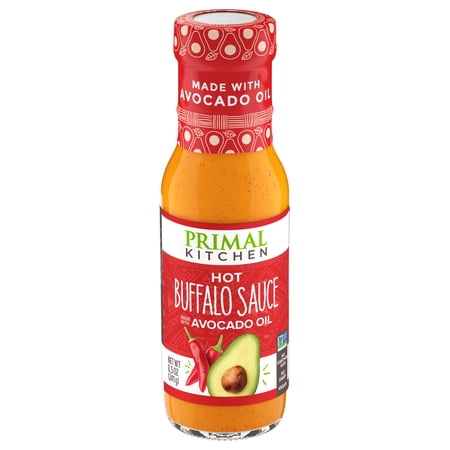
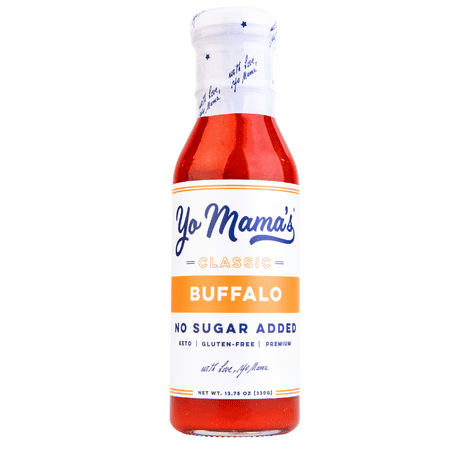
This buffalo hot sauce contains aged cayenne red peppers, which are beneficial due to their natural capsaicin content. However, the presence of xanthan gum and guar gum, both processed thickening agents, slightly detracts from its overall healthiness. Despite being a processed product, it maintains a relatively clean ingredient list with no artificial colors or flavors.
Key ingredients 8
Aged cayenne red peppersGood
Aged cayenne red peppers are a natural source of capsaicin, which may have anti-inflammatory and metabolism-boosting properties. The aging process can enhance flavor without the need for additives. They are minimally processed, retaining most of their natural nutrients.
Benefits
Rich in capsaicin, which may support metabolism and provide anti-inflammatory benefits.
Garlic powderGood
Concentrated whole-food seasoning.
Benefits
May offer some antioxidant and antimicrobial properties.
Ascorbic acidGood
Vitamin C — beneficial even when serving as a preservative.
Benefits
Acts as an antioxidant and helps preserve the color and flavor of foods.
VinegarNeutral
Vinegar is a common culinary ingredient used for its acidic properties and flavor enhancement. It is produced through fermentation, which is a natural process. While it adds flavor, it does not provide significant nutritional benefits.
Risks
Excessive consumption may lead to digestive discomfort due to its acidity.
Benefits
May aid in digestion and enhance the flavor of foods.
WaterNeutral
Water is used as a solvent and to adjust the consistency of the sauce. It is a neutral ingredient with no direct nutritional impact. It is essential for maintaining the desired texture of the product.
See more about Water →SaltNeutral
Salt is used to enhance flavor and preserve the product. It is a common culinary ingredient but does not provide additional nutrients beyond sodium. Excessive intake can lead to health issues such as hypertension.
Risks
High sodium intake may contribute to hypertension and cardiovascular issues.
Benefits
Enhances flavor and acts as a preservative.
Xanthan gumNeutral
Fermentation-derived thickener, well tolerated at food-use levels.
Risks
May cause digestive discomfort, such as bloating or gas, in some individuals.
Benefits
Helps stabilize and thicken products, improving texture and shelf life.
Guar gumNeutral
Standard formulation ingredient — neither beneficial nor harmful at typical use.
Risks
May cause digestive issues such as bloating or gas when consumed in large quantities.
Benefits
Improves texture and consistency of food products.
Processing
Processed Foods
Get the full breakdown in the Scout appTake Scout shopping
Scan any product to see lab results, healthy alternatives, and your personalized analysis.
Download on theApp Store GET IT ONGoogle Play