



At a glance
Summary
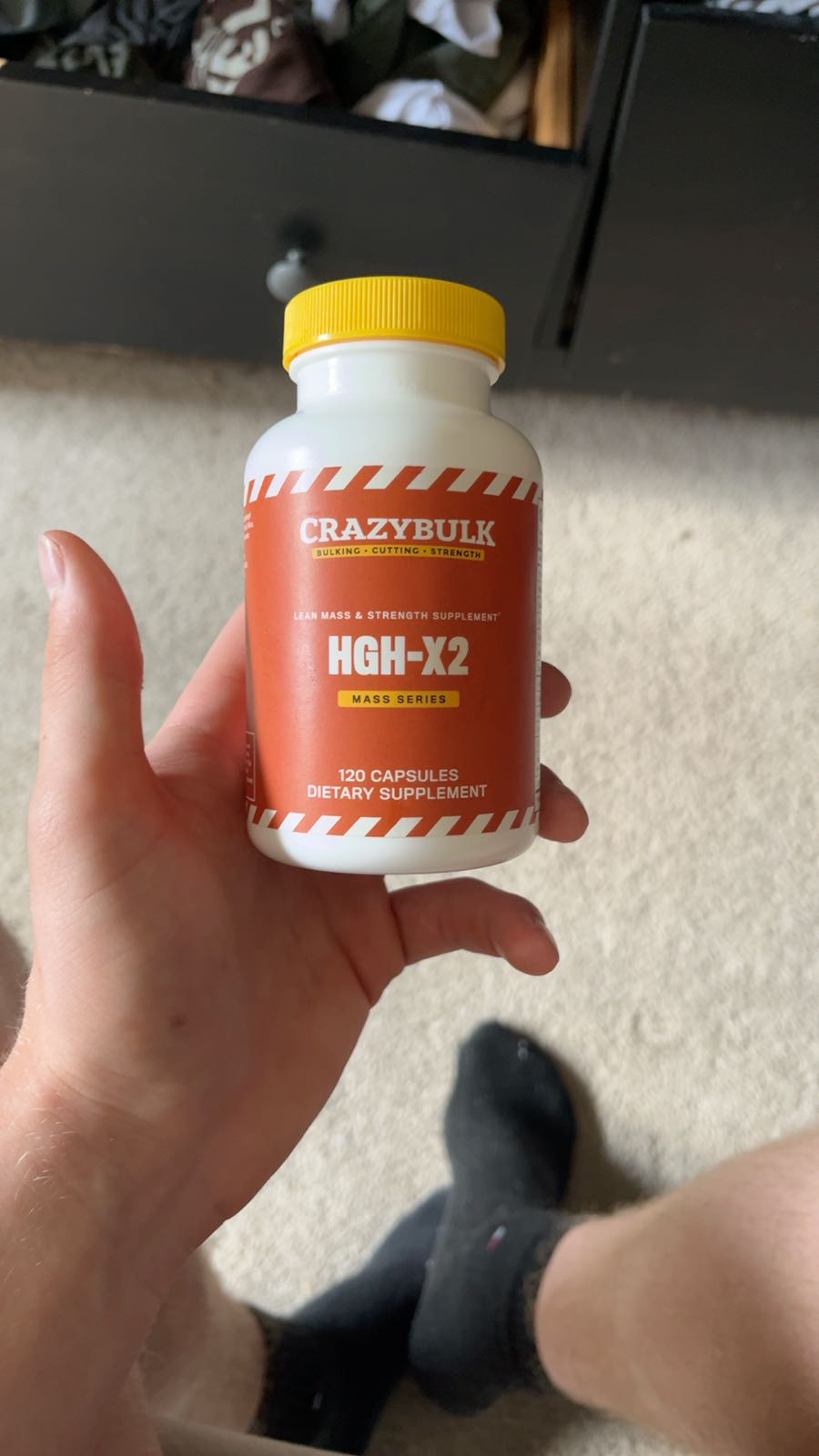
This product features a clean formulation with high-quality minerals such as calcium, magnesium, potassium, and zinc, which are essential for various bodily functions. The absence of artificial additives, sweeteners, or dyes contributes to its high score, making it a strong choice for those seeking a pure electrolyte supplement. The ingredients are beneficial for maintaining electrolyte balance and supporting overall health without unnecessary processing or harmful substances.
Key ingredients 7
CalciumVery Good
Calcium is essential for bone health and plays a critical role in muscle function and nerve signaling. It is a high-quality mineral that supports overall skeletal strength and metabolic processes. Adequate calcium intake is crucial for preventing osteoporosis and maintaining cardiovascular health.
Risks
Excessive calcium intake can lead to kidney stones and impaired absorption of other minerals.
Benefits
Supports bone density, muscle function, and nerve transmission.
PotassiumVery Good
Potassium is crucial for maintaining fluid balance, nerve signals, and muscle contractions. It is a high-quality electrolyte that helps regulate heart function and blood pressure. Adequate potassium intake is associated with reduced risk of hypertension and cardiovascular diseases.
Risks
Excessive intake can lead to hyperkalemia, which affects heart rhythm.
Benefits
Supports cardiovascular health and fluid balance.
MagnesiumGood
Magnesium is vital for numerous biochemical reactions in the body, including energy production and protein synthesis. It is a high-quality mineral that aids in muscle relaxation and nerve function. Magnesium also helps regulate blood pressure and supports a healthy immune system.
Risks
High doses can cause diarrhea and abdominal cramping.
Benefits
Promotes muscle relaxation, nerve function, and energy production.
BicarbonatesGood
Bicarbonates help maintain the body's pH balance and are involved in the buffering of acids in the blood. They are beneficial for reducing acidity and supporting metabolic processes. Bicarbonates can also aid in exercise performance by delaying fatigue.
Risks
Excessive consumption can lead to alkalosis, causing muscle twitching and nausea.
Benefits
Helps maintain pH balance and supports metabolic functions.
LithiumGood
Beneficial ingredient — whole-food or functional value in this product class.
Risks
High doses can be toxic and affect kidney function.
Benefits
May influence mood and cognitive function in trace amounts.
ZincGood
Zinc is essential for immune function, wound healing, and DNA synthesis. It is a high-quality mineral that supports numerous enzymatic reactions and cellular processes. Adequate zinc intake is crucial for maintaining a healthy immune system and promoting growth and development.
Risks
Excessive zinc intake can interfere with copper absorption and cause gastrointestinal issues.
Benefits
Supports immune function, wound healing, and enzymatic reactions.
SilicaNeutral
Silica is a trace mineral that supports connective tissue health and may aid in collagen formation. It is generally considered neutral due to its minimal impact in typical dietary amounts. Silica is often included in supplements for its potential benefits to skin, hair, and nails.
Benefits
May support connective tissue health and collagen formation.
Processing
Processed Foods
Get the full breakdown in the Scout appTake Scout shopping
Scan any product to see lab results, healthy alternatives, and your personalized analysis.
Download on theApp Store GET IT ONGoogle Play