
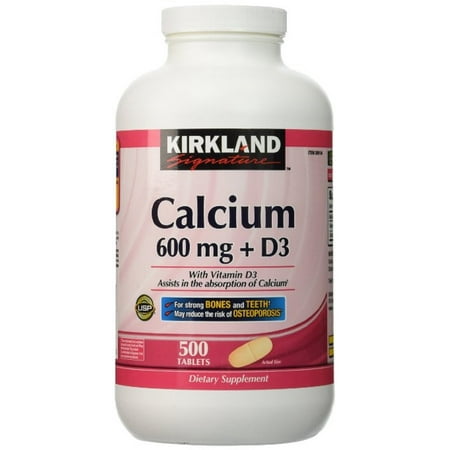

Kirkland Signature Calcium 600 mg Plus Vitamin D3 - 500 Tablets
Analysis updated July 2026 · How Scout scores
At a glance
Summary
This supplement contains beneficial ingredients like calcium carbonate and cholecalciferol, which support bone health and calcium absorption. However, the presence of maltodextrin and mineral oil, which are considered less desirable due to their processing and potential health concerns, affects the overall formulation quality. The product also includes several additives, which contribute to its processing level.
Key ingredients 8
CholecalciferolGood
Cholecalciferol, or Vitamin D3, is crucial for calcium absorption and bone health. It is the preferred form of Vitamin D due to its superior bioavailability. It also supports immune function and overall health.
Benefits
Enhances calcium absorption and supports immune system function.
Medium Chain TriglyceridesGood
Medium chain triglycerides (MCTs) are fats that are rapidly absorbed and used for energy. They are often derived from coconut oil and are known for their potential to support weight management and energy levels. MCTs are considered beneficial for their quick energy conversion.
Benefits
Supports energy production and may aid in weight management.
Calcium CarbonateNeutral
Standard formulation ingredient — neither beneficial nor harmful at typical use.
Risks
Excessive intake may lead to kidney stones or impaired absorption of other minerals.
Benefits
Essential for maintaining strong bones and teeth, and supports muscle function.
Croscarmellose SodiumNeutral
Croscarmellose sodium is used as a disintegrant in tablets to help them dissolve properly. It is generally considered safe and effective for its intended use. It does not contribute any nutritional value.
See more about Croscarmellose Sodium →GlycerinNeutral
Glycerin is a humectant that helps maintain moisture in products. It is generally recognized as safe for consumption. It is often used in food and pharmaceutical products for its stabilizing properties.
See more about Glycerin →Hydroxypropyl MethylcelluloseNeutral
Hydroxypropyl methylcellulose is a plant-derived thickener and emulsifier. It is commonly used in supplements to form capsules and is considered safe for consumption. It does not provide any nutritional benefits.
See more about Hydroxypropyl Methylcellulose →MaltodextrinBad
Maltodextrin is a highly processed carbohydrate used as a filler or thickener. It has a high glycemic index, which can cause spikes in blood sugar levels. It is often used in processed foods due to its low cost and neutral taste.
Risks
May contribute to blood sugar spikes and is not suitable for individuals with insulin sensitivity.
Mineral OilBad
Mineral oil is a petroleum-derived product used as a lubricant and laxative. It is not absorbed by the body and can interfere with the absorption of fat-soluble vitamins. Its use in food products is controversial due to its origin and potential health concerns.
Risks
May interfere with the absorption of fat-soluble vitamins and is not recommended for regular consumption.
Processing
Ultra-Processed Foods
Get the full breakdown in the Scout appTake Scout shopping
Scan any product to see lab results, healthy alternatives, and your personalized analysis.
Download on theApp Store GET IT ONGoogle Play