


At a glance
Summary
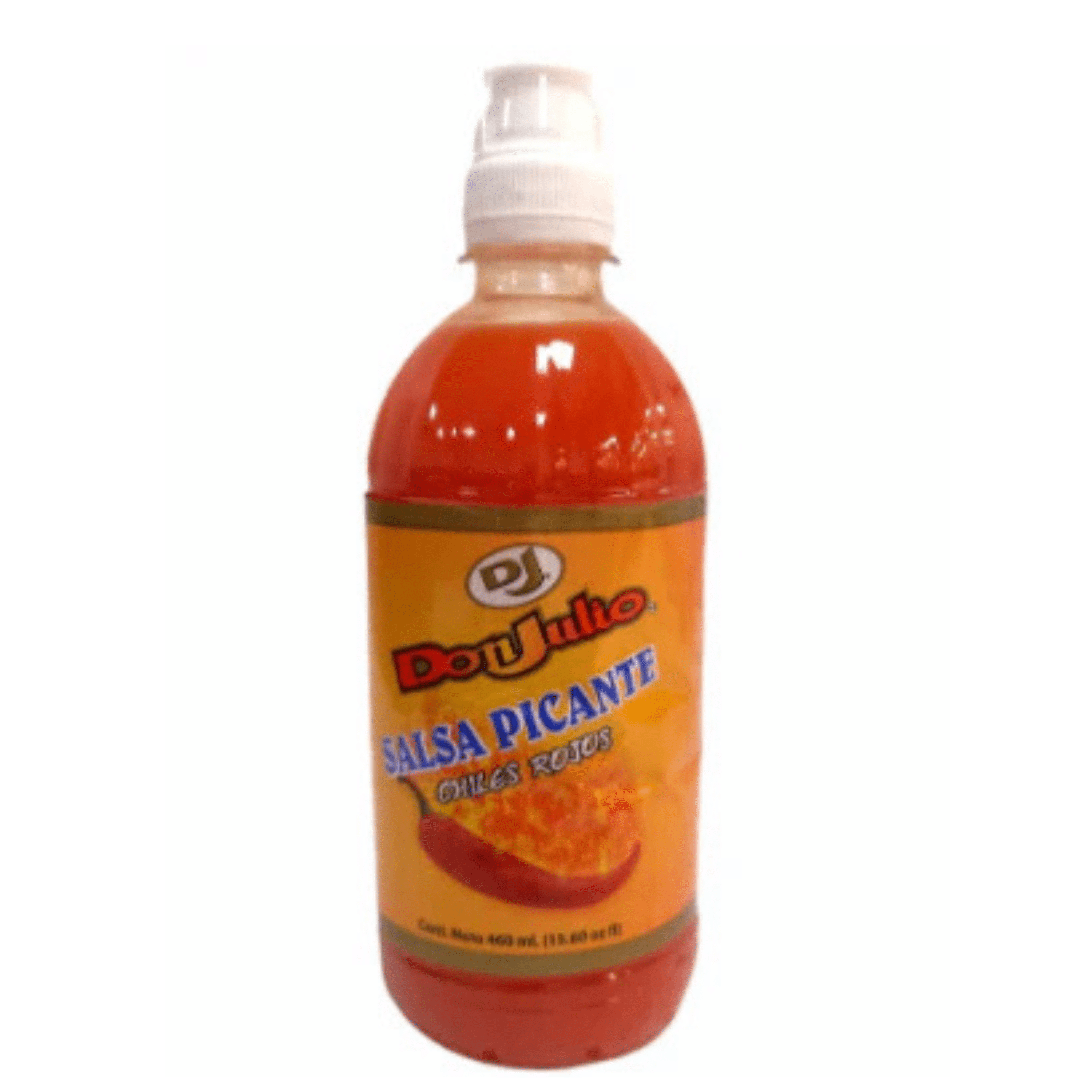
Valentina Salsa Picante is a processed condiment with a relatively clean ingredient list, primarily consisting of water, dried chiles, and spices. However, it contains sodium benzoate, a synthetic preservative that can pose health concerns, which slightly lowers its health score. The product's processing level also limits its potential score, despite the absence of other major harmful ingredients.
Key ingredients 7
SpicesGood
Whole-food seasonings, antioxidant-bearing.
Risks
Potential for allergic reactions in sensitive individuals.
Benefits
May contain antioxidants and anti-inflammatory compounds.
WaterNeutral
Water is a neutral ingredient used as a base in many food products. It does not contribute any calories or nutrients. It serves as a solvent for other ingredients.
See more about Water →Dried puya chilesNeutral
Dried puya chiles provide flavor and heat to the salsa. They are a natural ingredient with minimal processing. They may contain some vitamins and antioxidants.
Risks
May cause irritation or allergic reactions in sensitive individuals.
Benefits
Contains capsaicin, which may have anti-inflammatory and metabolism-boosting properties.
Acetic acidNeutral
Acetic acid is used as a preservative and flavoring agent in foods. It is the main component of vinegar and is generally recognized as safe. It helps to preserve the product by lowering pH.
Risks
Excessive consumption may cause digestive discomfort.
Iodized saltNeutral
Iodized salt is used to enhance flavor and provide iodine, an essential nutrient. It is a refined form of salt with added iodine to prevent deficiencies. It is commonly used in processed foods.
Risks
High sodium intake can contribute to hypertension and cardiovascular issues.
Benefits
Provides iodine, which is essential for thyroid function.
CondimentsNeutral
Condiments are used to enhance the flavor profile of the salsa. They are typically a blend of spices and flavorings. The specific composition is not detailed, making it hard to assess individual impacts.
Risks
Potential for allergic reactions depending on specific spices used.
Benefits
May contain spices that have antioxidant properties.
Sodium benzoateBad
Sodium benzoate is a preservative used to extend shelf life. It is a synthetic additive that can form benzene, a carcinogen, under certain conditions. Its use is limited in foods due to potential health concerns.
Risks
May form benzene, a potential carcinogen, when combined with ascorbic acid (vitamin C).
Processing
Processed Foods
Get the full breakdown in the Scout appTake Scout shopping
Scan any product to see lab results, healthy alternatives, and your personalized analysis.
Download on theApp Store GET IT ONGoogle Play