



Whole Wheat Naan
Whole Foods MarketAnalysis updated September 2026 · How Scout scores
At a glance
Summary
This whole wheat naan contains beneficial ingredients like whole wheat flour, buttermilk, and ghee, which provide fiber, probiotics, and healthy fats. However, the presence of highly refined soybean oil and cane sugar introduces concerns due to their potential inflammatory effects and contribution to blood sugar spikes. The product's processing level and inclusion of refined ingredients limit its overall healthiness.
Key ingredients 8
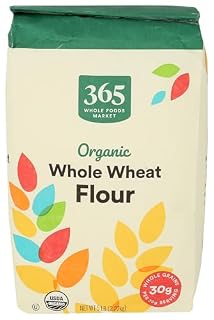
Whole Wheat FlourGood
Whole wheat flour is a source of dietary fiber and essential nutrients. It is less processed than refined flour, retaining more vitamins and minerals. This contributes to better digestive health and sustained energy levels.
Risks
May contain gluten, which can be problematic for individuals with celiac disease or gluten sensitivity.
Benefits
Rich in fiber, which aids in digestion and helps maintain stable blood sugar levels. Provides essential nutrients like B vitamins and iron.
ButtermilkGood
Buttermilk is a fermented dairy product that provides probiotics and calcium. It is lower in fat than regular milk and can aid in digestion. The fermentation process enhances its nutritional profile.
Risks
Contains lactose, which may cause issues for those with lactose intolerance.
Benefits
Rich in probiotics that support gut health and calcium for bone strength.
GheeGood
Ghee is clarified butter rich in healthy fats and fat-soluble vitamins. It is lactose-free and has a high smoke point, making it suitable for cooking. Ghee is known for its anti-inflammatory properties.
Risks
High in saturated fats, which should be consumed in moderation.
Benefits
Contains butyrate, which supports gut health, and is rich in vitamins A, D, E, and K.
SaltNeutral
Salt is a common seasoning that enhances flavor. It is essential for maintaining fluid balance and nerve function. However, excessive intake can lead to health issues.
Risks
High sodium intake can contribute to hypertension and cardiovascular disease.
Benefits
Essential for maintaining electrolyte balance and proper muscle function.
YeastNeutral
Yeast is a microorganism used in baking to leaven bread. It ferments sugars, producing carbon dioxide that helps dough rise. It is a natural ingredient with no significant health concerns.
Benefits
Contributes to the texture and flavor of baked goods.
Unbleached Enriched Wheat FlourBad
Processed additive flagged under Scout's ingredient doctrine.
Risks
Contains gluten and may contribute to blood sugar spikes due to its refined nature.
Benefits
Enrichment adds back some nutrients lost during processing, such as iron and B vitamins.
Cane SugarBad
Cane sugar is a refined sugar that can contribute to blood sugar spikes and weight gain. It is processed to remove impurities, resulting in a high-calorie sweetener with no nutritional benefits. Excessive consumption is linked to various health issues.
Risks
Can lead to obesity, insulin resistance, and dental cavities when consumed in excess.
Highly Refined Soybean OilVery Bad
Soybean oil is a seed oil high in omega-6 fatty acids, which can promote inflammation. It is heavily processed, often involving chemical extraction methods. Its high omega-6 content can disrupt the omega-3 to omega-6 balance in the diet.
Risks
High omega-6 content may promote inflammation when consumed in excess.
Processing
Processed Foods
Get the full breakdown in the Scout appTake Scout shopping
Scan any product to see lab results, healthy alternatives, and your personalized analysis.
Download on theApp Store GET IT ONGoogle PlayAmazon pricing & content
Amazon price as of . Product prices and availability are accurate as of the date/time indicated and are subject to change. Any price and availability information displayed on Amazon.com at the time of purchase will apply to the purchase of this product.
CERTAIN CONTENT THAT APPEARS ON THIS SITE COMES FROM AMAZON. THIS CONTENT IS PROVIDED “AS IS” AND IS SUBJECT TO CHANGE OR REMOVAL AT ANY TIME.