
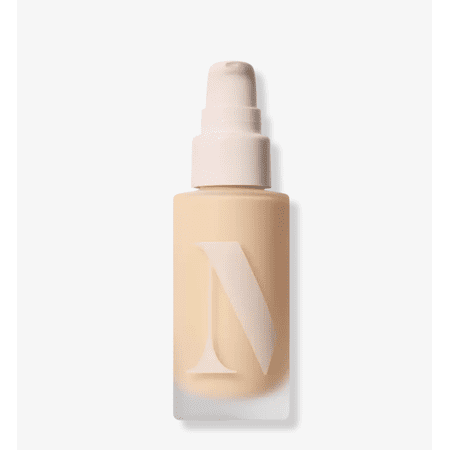
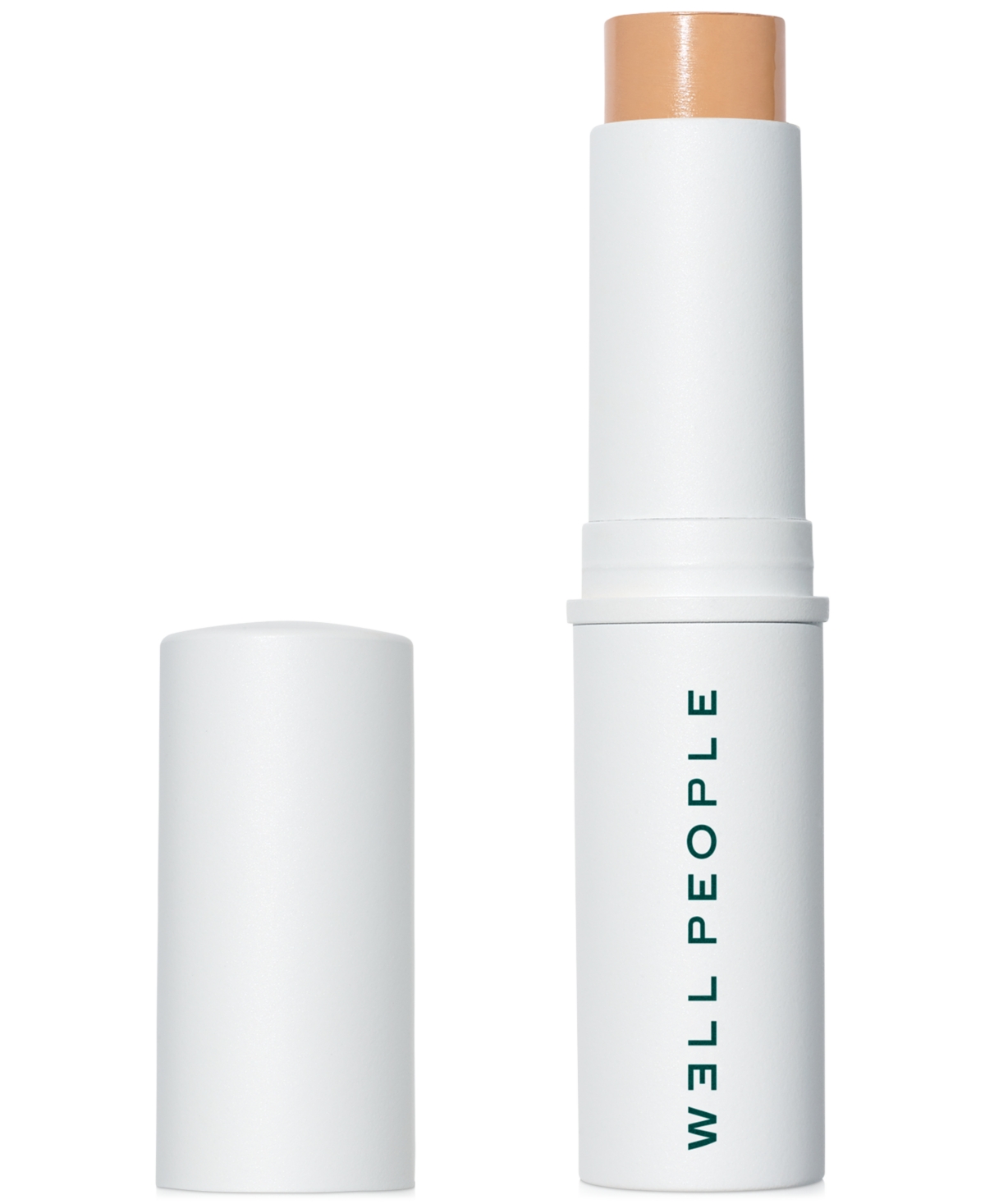
MORPHE LIGHTFORM Extended Hydration Foundation – 05N Light – 30 ml / 1 fl oz
Summary
This foundation contains a mix of safe and beneficial ingredients such as allantoin and sodium hyaluronate, which are known for their hydrating and soothing properties. However, the presence of dimethicone, a synthetic silicone, and bismuth oxychloride, which can cause irritation for some users, slightly lowers the score. The product is moderately processed, which also impacts the overall rating.
At a glance
Key ingredients 12
Allantoin
Allantoin is a compound known for its soothing and skin-conditioning properties. It helps to protect the skin and promote healing. It is often used in cosmetics for its ability to improve skin smoothness.
Risks
There are minimal risks associated with allantoin, making it generally safe for most skin types.
Benefits
Allantoin is beneficial for its moisturizing and soothing effects, which can help reduce irritation and promote skin health.
Sodium Hyaluronate
Sodium Hyaluronate is a salt form of hyaluronic acid, known for its excellent moisture-retaining properties. It can hold up to 1000 times its weight in water, making it a powerful hydrating agent. It is commonly used in skincare products to enhance skin hydration.
Risks
Sodium Hyaluronate is generally considered safe with low risk of irritation.
Benefits
It provides significant hydration benefits, helping to plump the skin and reduce the appearance of fine lines.
Tocopherol
Tocopherol, also known as Vitamin E, is a powerful antioxidant that helps protect the skin from free radical damage. It is often used in cosmetics for its moisturizing and skin-conditioning properties. Tocopherol can also enhance the stability of other ingredients in the formulation.
Risks
Tocopherol is generally safe, but in rare cases, it may cause skin irritation or allergic reactions.
Benefits
It offers antioxidant protection and helps maintain skin moisture, contributing to overall skin health.
Bismuth Oxychloride (CI 77163)
Bismuth Oxychloride is a mineral used in cosmetics for its shimmering and pearlescent effect. It provides a smooth application and enhances the appearance of the skin. It is commonly found in makeup products like foundations and powders.
Risks
Some individuals may experience skin irritation or sensitivity to Bismuth Oxychloride.
Benefits
It contributes to a luminous finish and smooth texture in cosmetic formulations.
Butylene Glycol
Butylene Glycol is a common ingredient used as a solvent and conditioning agent in cosmetics. It helps improve the texture and spreadability of products. It also acts as a humectant, drawing moisture into the skin.
Risks
Butylene Glycol is generally safe, but it may cause irritation in sensitive individuals.
Benefits
It enhances product texture and provides moisturizing benefits, improving skin feel.
Citric Acid
Citric Acid is an alpha hydroxy acid (AHA) used in cosmetics for its exfoliating properties. It helps to adjust the pH of formulations and can promote skin renewal. It is often included in products to enhance skin smoothness and clarity.
Risks
Citric Acid can cause irritation or sensitivity, especially in high concentrations.
Benefits
It aids in exfoliation and skin renewal, contributing to a brighter complexion.
Dimethicone
Dimethicone is a type of silicone used in cosmetics for its smoothing and conditioning properties. It forms a protective barrier on the skin, helping to lock in moisture. It is widely used in skincare and makeup for its ability to improve texture and spreadability.
Risks
Dimethicone is generally considered safe, but it may cause breakouts in acne-prone skin.
Benefits
It provides a silky feel and helps to smooth the appearance of the skin, enhancing product performance.
Ethylhexylglycerin
Ethylhexylglycerin is a multifunctional ingredient used as a preservative and skin-conditioning agent. It enhances the efficacy of other preservatives and provides moisturizing benefits. It is often used in formulations to improve skin feel and product stability.
Risks
Ethylhexylglycerin is generally safe, but it may cause irritation in sensitive skin.
Benefits
It offers antimicrobial properties and enhances skin hydration, contributing to product longevity and skin comfort.
Fructose
Fructose is a natural sugar used in cosmetics for its humectant properties. It helps to attract and retain moisture in the skin. It is often included in formulations to enhance hydration and improve skin texture.
Risks
Fructose is generally safe, but excessive use may lead to stickiness in formulations.
Benefits
It provides moisturizing benefits, helping to maintain skin hydration and smoothness.
Glycerin
Glycerin is a well-known humectant used in cosmetics for its ability to draw moisture into the skin. It helps to maintain skin hydration and improve texture. It is widely used in skincare products for its moisturizing and skin-conditioning properties.
Risks
Glycerin is generally safe, but it may cause stickiness in high concentrations.
Benefits
It offers excellent moisturizing benefits, enhancing skin hydration and smoothness.
Urea
Urea is a compound used in cosmetics for its moisturizing and exfoliating properties. It helps to soften and smooth the skin by promoting hydration and gentle exfoliation. It is often included in formulations to enhance skin texture and moisture retention.
Risks
Urea is generally safe, but it may cause irritation in sensitive skin.
Benefits
It provides moisturizing and exfoliating benefits, improving skin softness and hydration.
Sodium PCA
Sodium PCA is a naturally occurring humectant derived from amino acids. It helps to attract and retain moisture in the skin, enhancing hydration. It is commonly used in skincare products for its excellent moisturizing properties.
Risks
Sodium PCA is generally considered safe with low risk of irritation.
Benefits
It offers significant hydration benefits, helping to maintain skin moisture and elasticity.
Processing
Processed Foods
Get the full breakdown in the Scout app
Scan any product to see lab results, healthy alternatives, and your personalized analysis.
Download on theApp Store