



Member's Mark DELUXE mixed nuts LIGHTLY SALTED
Member's MarkAnalysis updated August 2026 · How Scout scores
At a glance
Summary
This product contains a mix of nutrient-dense nuts like cashews, almonds, pecans, and pistachios, which are rich in healthy fats, protein, and essential minerals. However, the use of peanut oil, a seed oil high in omega-6 fatty acids, detracts from its nutritional quality due to its potential to promote inflammation. The processing level of the product further limits its score potential, despite the overall clean ingredient list.
Key ingredients 6
CashewsGood
Cashews are a good source of healthy fats, protein, and essential minerals like magnesium and copper. They are minimally processed and provide beneficial nutrients that support heart health. Compared to other nuts, they have a lower fat content but still offer significant nutritional benefits.
Risks
Cashews can be allergenic for some individuals and should be consumed with caution by those with nut allergies.
Benefits
Rich in healthy monounsaturated fats and essential minerals, cashews support heart health and provide energy.
AlmondsGood
Almonds are high in healthy fats, fiber, and vitamin E, making them a nutritious snack. They are minimally processed and provide antioxidants that support overall health. Almonds are also known for their potential to improve cholesterol levels.
Risks
Almonds can cause allergic reactions in individuals with nut allergies.
Benefits
High in vitamin E and healthy fats, almonds support heart health and provide antioxidant benefits.
PecansGood
Pecans are rich in healthy fats, fiber, and antioxidants, contributing to heart health and reduced inflammation. They are minimally processed and provide essential nutrients like manganese and thiamine. Pecans are also known for their potential to improve cholesterol levels.
Risks
Pecans may cause allergic reactions in individuals with nut allergies.
Benefits
Rich in antioxidants and healthy fats, pecans support heart health and provide anti-inflammatory benefits.
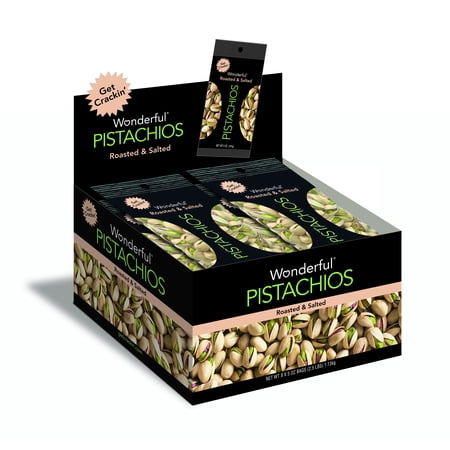
PistachiosGood
Pistachios are a good source of protein, fiber, and healthy fats, supporting heart health and weight management. They are minimally processed and provide essential nutrients like vitamin B6 and potassium. Pistachios are also known for their potential to improve blood lipid profiles.
Risks
Pistachios can cause allergic reactions in individuals with nut allergies.
Benefits
High in protein and healthy fats, pistachios support heart health and provide essential nutrients.
Sea saltGood
Sea salt is a minimally processed source of sodium and trace minerals, supporting electrolyte balance. It is less refined than table salt, retaining beneficial minerals. Sea salt can enhance flavor without the need for excessive sodium intake.
Risks
Excessive consumption of sea salt can contribute to high blood pressure and cardiovascular issues.
Benefits
Provides essential trace minerals and supports electrolyte balance.
Peanut oilBad
Peanut oil is a seed oil high in omega-6 fatty acids, which can promote inflammation when consumed in excess. It is often refined, which can strip away beneficial nutrients. Compared to other oils, it lacks the beneficial monounsaturated fats found in oils like olive oil.
Risks
High omega-6 content may promote inflammation and contribute to an imbalanced fatty acid profile.
Processing
Processed Foods
Get the full breakdown in the Scout appTake Scout shopping
Scan any product to see lab results, healthy alternatives, and your personalized analysis.
Download on theApp Store GET IT ONGoogle PlayAmazon pricing & content
Amazon price as of . Product prices and availability are accurate as of the date/time indicated and are subject to change. Any price and availability information displayed on Amazon.com at the time of purchase will apply to the purchase of this product.
CERTAIN CONTENT THAT APPEARS ON THIS SITE COMES FROM AMAZON. THIS CONTENT IS PROVIDED “AS IS” AND IS SUBJECT TO CHANGE OR REMOVAL AT ANY TIME.