



At a glance
Summary
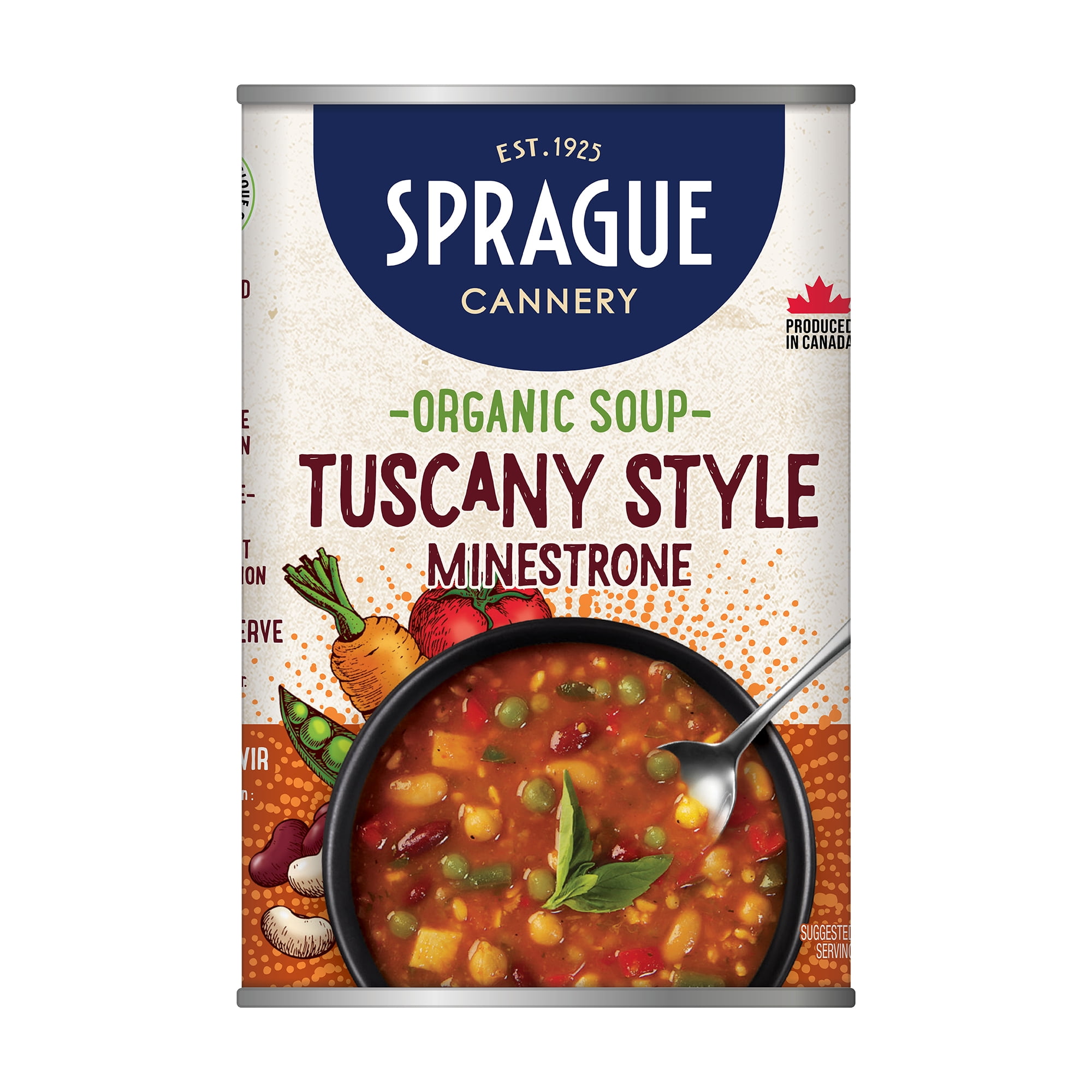
This minestrone soup contains a variety of nutritious vegetables and olive oil, which are beneficial for health due to their vitamins, fiber, and healthy fats. However, the presence of bacon, a processed meat high in saturated fats and sodium, introduces health concerns. The soup is moderately processed, which limits its score despite the overall quality of ingredients.
Key ingredients 17
Olive oilVery Good
Olive oil is a high-quality monounsaturated fat with anti-inflammatory properties. It contains antioxidants that support heart health. Cold-pressed extraction preserves beneficial compounds.
Benefits
Rich in monounsaturated fats that support heart health and provide anti-inflammatory properties. Contains antioxidants like vitamin E and polyphenols that may reduce oxidative stress.
KaleVery Good
Kale is a nutrient-dense leafy green high in vitamins A, C, and K, as well as antioxidants. It supports bone health, immune function, and may reduce inflammation. Kale is also a good source of fiber, promoting digestive health.
Benefits
High in vitamins and antioxidants, supporting bone health and reducing inflammation. Fiber content promotes digestion.
CarrotsGood
Carrots are a rich source of beta-carotene, which is converted into vitamin A in the body. They are low in calories and high in fiber, promoting digestive health. The antioxidants in carrots may support eye health and reduce the risk of chronic diseases.
Benefits
High in beta-carotene and fiber, supporting eye health and digestion. Antioxidants may reduce the risk of chronic diseases.
CeleryGood
Celery is low in calories and contains a variety of vitamins and minerals, including vitamin K and potassium. It is known for its high water content and fiber, which can aid in hydration and digestion. Celery also contains antioxidants that may help reduce inflammation.
Benefits
Provides hydration and supports digestion due to high water and fiber content. Contains antioxidants that may reduce inflammation.
ZucchiniGood
Zucchini is a low-calorie vegetable rich in vitamins A and C, as well as dietary fiber. It supports healthy digestion and may contribute to a balanced diet. The antioxidants in zucchini can help protect against oxidative stress.
Benefits
Rich in vitamins and fiber, supporting digestion and overall health. Antioxidants may protect against oxidative stress.
Yellow bell pepperGood
Yellow bell peppers are high in vitamin C and other antioxidants, which support immune function and skin health. They are low in calories and provide dietary fiber. The vibrant color indicates a high level of carotenoids, beneficial for eye health.
Benefits
High in vitamin C and antioxidants, supporting immune function and skin health. Carotenoids benefit eye health.
OnionGood
Onions are rich in antioxidants and sulfur-containing compounds that may support heart health. They provide flavor and nutrients with minimal calories. Onions have anti-inflammatory properties and may help reduce the risk of chronic diseases.
Benefits
Rich in antioxidants and sulfur compounds, supporting heart health and reducing inflammation.
PotatoesGood
Beneficial ingredient — whole-food or functional value in this product class.
Risks
Excessive consumption may lead to weight gain due to high carbohydrate content.
Benefits
Provides carbohydrates for energy and contains fiber and nutrients, especially when consumed with the skin.
BeansGood
Beans are an excellent source of plant-based protein and fiber, supporting muscle health and digestion. They are rich in vitamins and minerals, including folate and iron. Beans may help regulate blood sugar levels and reduce the risk of heart disease.
Benefits
High in protein and fiber, supporting muscle health and digestion. May help regulate blood sugar and reduce heart disease risk.
Tomato brothGood
Tomato broth provides a base rich in vitamins A and C, as well as antioxidants like lycopene. It adds flavor and nutrients to the soup. Lycopene in tomatoes is linked to reduced risk of heart disease and certain cancers.
Benefits
Rich in vitamins and antioxidants, supporting heart health and reducing cancer risk.
ParmesanGood
Parmesan is a hard cheese rich in calcium and protein, supporting bone health and muscle maintenance. It is aged, which enhances its flavor and digestibility. Parmesan also contains probiotics that may benefit gut health.
Risks
High in sodium and saturated fat, which should be consumed in moderation.
Benefits
Rich in calcium and protein, supporting bone health. Contains probiotics for gut health.
Tomato pasteGood
Tomato paste is concentrated with vitamins A and C, and antioxidants like lycopene. It enhances the flavor and nutritional profile of dishes. Lycopene is associated with reduced risk of heart disease and certain cancers.
Benefits
Concentrated source of vitamins and antioxidants, supporting heart health and reducing cancer risk.
Green beansGood
Green beans are low in calories and high in vitamins A, C, and K, as well as fiber. They support immune function and bone health. The fiber content aids in digestion and may help regulate blood sugar levels.
Benefits
High in vitamins and fiber, supporting immune function and digestion. May help regulate blood sugar.
ParsleyGood
Parsley is an herb rich in vitamins A, C, and K, and antioxidants. It adds flavor and nutrients to dishes with minimal calories. Parsley may support bone health and reduce inflammation.
Benefits
Rich in vitamins and antioxidants, supporting bone health and reducing inflammation.
Worcestershire sauceNeutral
Worcestershire sauce is a fermented condiment that adds umami flavor to dishes. It contains a mix of vinegar, molasses, and spices, providing a complex taste profile. While it enhances flavor, it is typically used in small amounts and does not significantly impact nutrition.
Risks
Contains sodium and may have added sugars, but used in small quantities.
Benefits
Enhances flavor with a complex taste profile from fermentation and spices.
PastaNeutral
Pasta is a source of carbohydrates, providing energy for the body. It is often enriched with vitamins and minerals, but can be high in calories if consumed in large quantities. Whole grain pasta offers more fiber and nutrients compared to refined versions.
Risks
High in carbohydrates and calories, which may contribute to weight gain if consumed excessively.
Benefits
Provides energy and can be enriched with vitamins and minerals. Whole grain versions offer more fiber and nutrients.
BaconBad
Bacon is a processed meat high in saturated fats and sodium, which can increase the risk of heart disease. It is often cured with nitrates and nitrites, which may have negative health effects. While it adds flavor, its health risks outweigh the benefits.
Risks
High in saturated fats and sodium, increasing heart disease risk. Contains nitrates and nitrites with potential health concerns.
Benefits
Adds flavor to dishes but offers minimal nutritional benefits.
Processing
Processed Foods
Get the full breakdown in the Scout appTake Scout shopping
Scan any product to see lab results, healthy alternatives, and your personalized analysis.
Download on theApp Store GET IT ONGoogle PlayAmazon pricing & content
Amazon price as of . Product prices and availability are accurate as of the date/time indicated and are subject to change. Any price and availability information displayed on Amazon.com at the time of purchase will apply to the purchase of this product.
CERTAIN CONTENT THAT APPEARS ON THIS SITE COMES FROM AMAZON. THIS CONTENT IS PROVIDED “AS IS” AND IS SUBJECT TO CHANGE OR REMOVAL AT ANY TIME.