

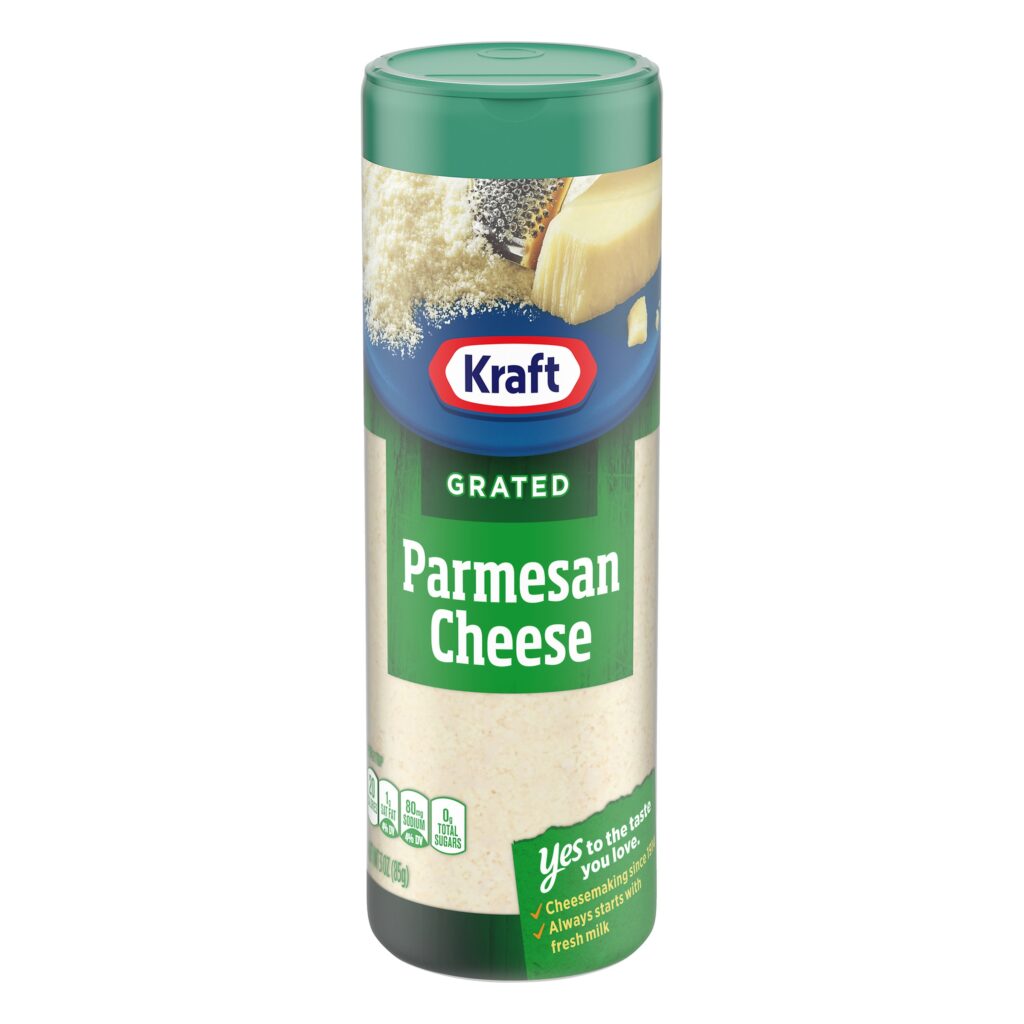


Grana Padano Parmesan, San Fabio, Penny
Analysis updated September 2026 · How Scout scores
At a glance
Summary
This Grana Padano Parmesan is a processed cheese with a relatively clean ingredient list, consisting mainly of milk, salt, and rennet, with lysozyme as a preservative. The use of high-quality milk provides essential nutrients and protein, but the presence of a preservative and its processed nature limit its score. Despite these factors, it remains a nutritious option compared to more heavily processed cheese products.
Key ingredients 4
MilkGood
Milk is a primary source of high-quality protein and essential nutrients like calcium. It is minimally processed in cheese production, retaining its nutritional benefits. The use of milk in cheese provides a rich source of amino acids and minerals.
Risks
Potential risks include lactose intolerance or milk allergies in sensitive individuals.
Benefits
Rich in calcium and protein, supporting bone health and muscle maintenance.
RennetGood
Beneficial ingredient — whole-food or functional value in this product class.
Benefits
Essential for the cheese-making process, aiding in curd formation.
SaltNeutral
Salt is used in cheese making for flavor and preservation. It is a common ingredient in processed foods, providing essential sodium. However, excessive consumption of salt can lead to health issues.
Risks
High sodium intake can contribute to hypertension and cardiovascular issues.
Benefits
Provides essential sodium necessary for various bodily functions.
Preservative Lysozyme (from Egg)Bad
Lysozyme is used as a preservative to prevent spoilage in cheese. It is derived from eggs, which may pose allergy risks. While it extends shelf life, it is an additive that some consumers prefer to avoid.
Risks
May cause allergic reactions in individuals with egg allergies.
Benefits
Helps extend the shelf life of cheese by preventing spoilage.
Processing
Processed Foods
Get the full breakdown in the Scout appTake Scout shopping
Scan any product to see lab results, healthy alternatives, and your personalized analysis.
Download on theApp Store GET IT ONGoogle Play