
:format(jpg)/d2lnr5mha7bycj.cloudfront.net/product-image/file/large_4dd0cb05-9b18-4332-bf4f-0bf8c3a2b6c4.jpg)


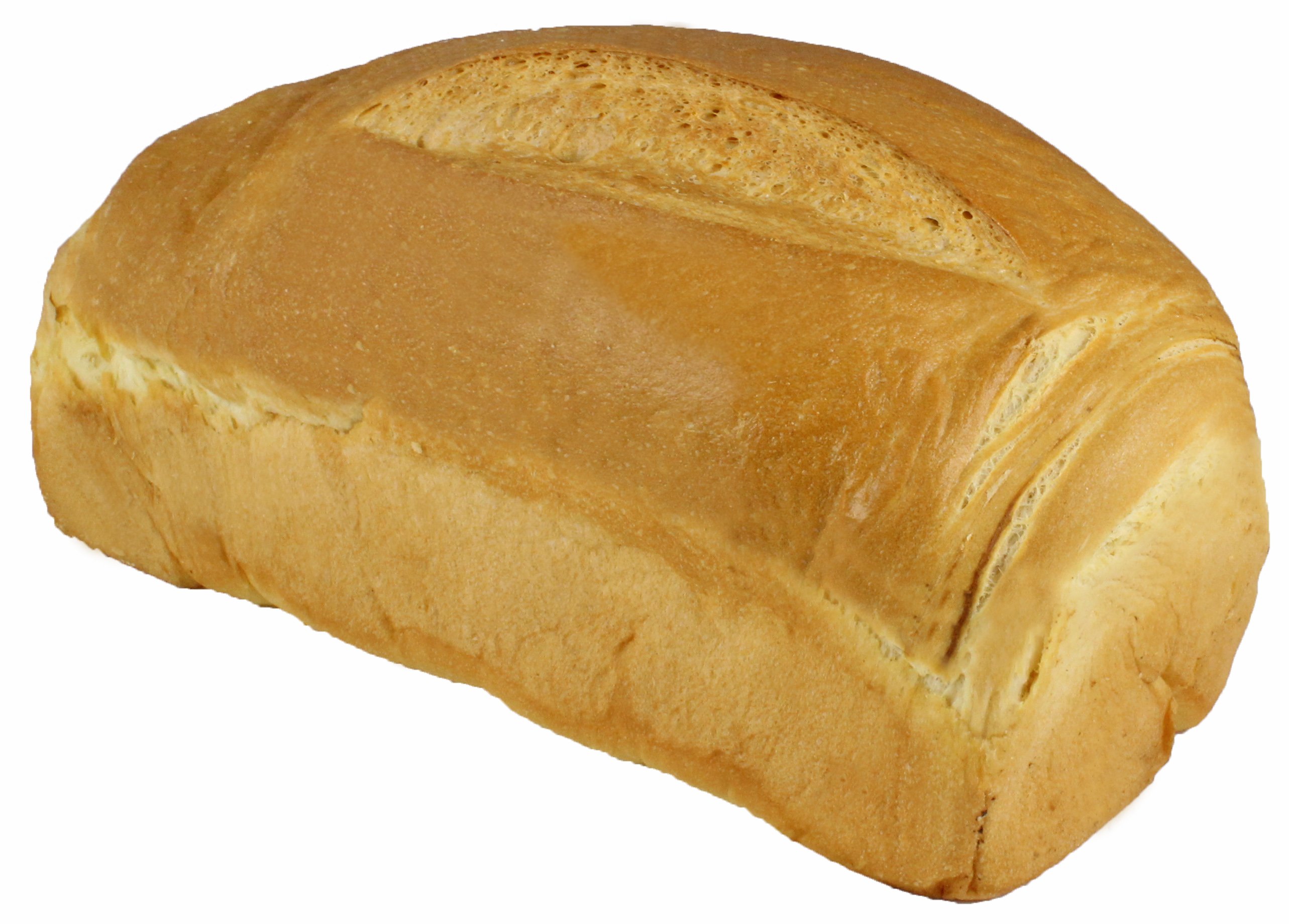
CM OLD FASHIONED SPLIT TOP WHITE BREAD
Analysis updated June 2026 · How Scout scores
At a glance
Summary
This bread contains beneficial ingredients like skim milk, egg whites, and unsalted butter, which contribute to its nutritional profile. However, the presence of sugar as a refined carbohydrate and the use of guar gum as an additive indicate a moderate level of processing. While the ingredient list is relatively clean, the processing level limits its score potential.
Key ingredients 10
Egg WhitesVery Good
Egg whites contribute to the structure and leavening of bread, adding protein without fat. They are a low-calorie source of high-quality protein. Egg whites are often used to improve the texture of baked goods.
Risks
Potential allergen for individuals with egg allergies.
Benefits
Rich in protein, supporting muscle growth and repair.
Instant YeastGood
Instant yeast is a leavening agent that helps bread rise by producing carbon dioxide. It is a convenient and fast-acting form of yeast. It contributes to the flavor and texture of bread.
Benefits
Facilitates dough rising and enhances bread texture.
Ascorbic AcidGood
Ascorbic acid, also known as vitamin C, is used as a dough conditioner to improve bread quality. It strengthens gluten and enhances dough elasticity. It is a natural antioxidant that can improve shelf life.
Benefits
Improves dough strength and acts as an antioxidant.
Unsalted ButterGood
Unsalted butter adds flavor and richness to bread, contributing to a tender crumb. It is a source of saturated fats and fat-soluble vitamins. Using unsalted butter allows for better control of salt content in recipes.
Risks
High in saturated fats, which should be consumed in moderation.
Benefits
Enhances flavor and provides fat-soluble vitamins like A and D.
WaterNeutral
Water is a fundamental ingredient in bread, necessary for dough formation and yeast activation. It is a natural, unprocessed component. It does not contribute any calories or nutrients.
Benefits
Essential for hydration and dough consistency.
Skim MilkNeutral
Standard formulation ingredient — neither beneficial nor harmful at typical use.
Benefits
Provides calcium and protein, supporting bone health and muscle maintenance.
Guar GumNeutral
Guar gum is used as a thickening and stabilizing agent in bread. It is derived from guar beans and is considered a natural additive. It helps improve the texture and shelf life of baked goods.
Risks
Excessive consumption may cause digestive issues in sensitive individuals.
Benefits
Improves texture and extends shelf life of products.
Triethyl CitrateNeutral
Triethyl citrate is used as an emulsifier and stabilizer in food products. It is a synthetic compound derived from citric acid. It helps maintain the consistency and quality of baked goods.
Benefits
Enhances texture and stability of food products.
Wheat FlourBad
Refined grain flour stripped of bran and germ.
Risks
Refined wheat flour may contribute to blood sugar spikes and lacks fiber.
Benefits
Provides carbohydrates for energy and is a key component in traditional bread recipes.
SugarBad
Sugar is used to enhance flavor and aid in yeast fermentation. However, it is a refined carbohydrate that can contribute to health issues when consumed in excess. Alternatives like honey or maple syrup offer more nutrients.
Risks
Excessive sugar intake is linked to obesity, diabetes, and heart disease.
Benefits
Provides a quick source of energy and enhances the taste of baked goods.
Processing
Processed Foods
Get the full breakdown in the Scout appTake Scout shopping
Scan any product to see lab results, healthy alternatives, and your personalized analysis.
Download on theApp Store GET IT ONGoogle Play