



Near you
Aldi is carried at Aldi stores. Find one within 25 miles.
At a glance
Summary
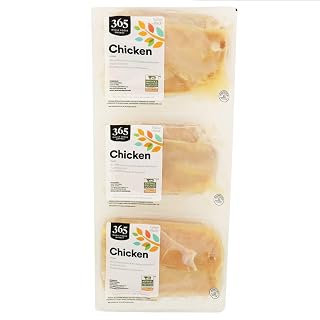
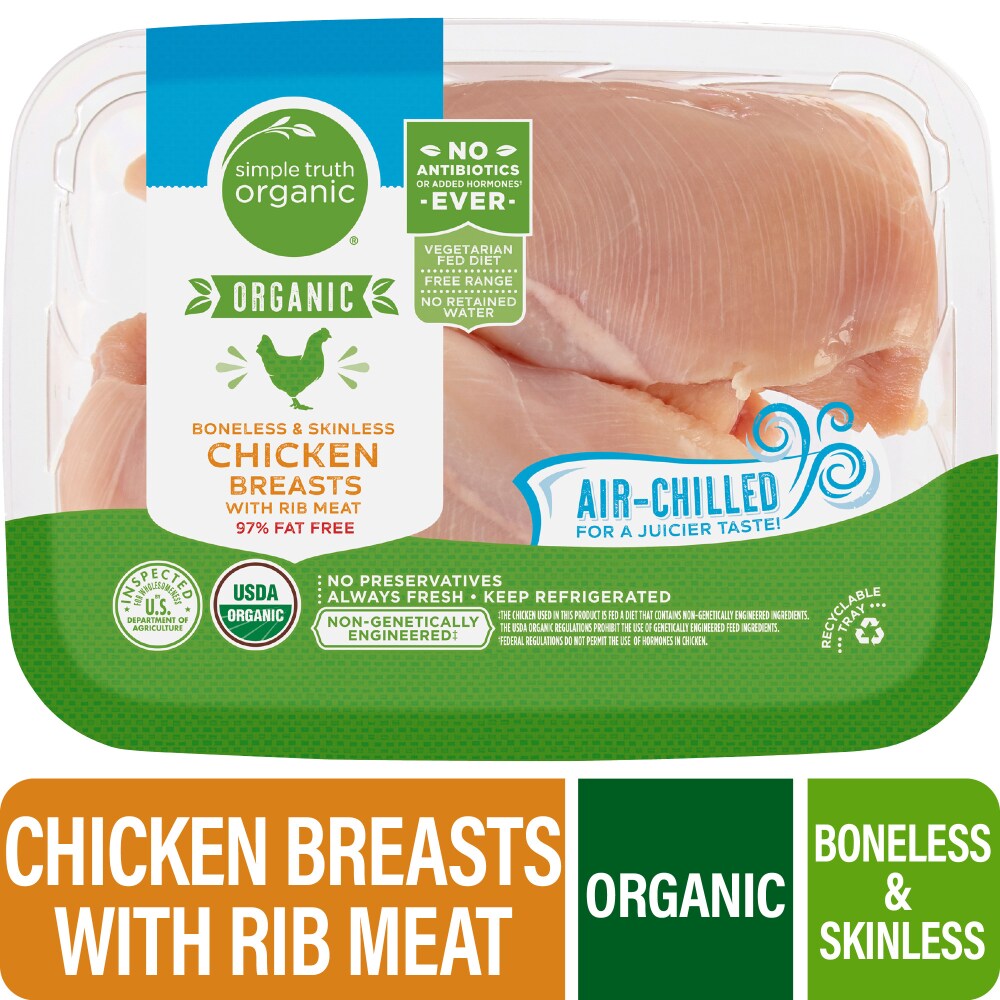
This product consists primarily of boneless skinless chicken breasts, which are a high-quality source of lean protein. However, it includes 'natural flavor', which lacks transparency and may contain additives, raising concerns about potential allergens. The processing level limits the score, as it is not a minimally processed whole food.
Key ingredients 5
Boneless skinless chicken breasts with rib meatGood
Chicken breasts are a high-quality source of lean protein, essential for muscle growth and repair. They are minimally processed and provide a rich amino acid profile. The inclusion of rib meat adds flavor and nutritional value.
Benefits
Rich in protein and low in fat, making it an excellent choice for maintaining muscle mass and supporting weight management.
Sea saltGood
Sea salt is a natural source of sodium and trace minerals, enhancing flavor without excessive processing. It is less refined than table salt, retaining beneficial minerals. Used in moderation, it supports electrolyte balance.
Risks
Excessive consumption of sodium can lead to high blood pressure and cardiovascular issues.
Benefits
Provides essential minerals and enhances flavor naturally.
WaterNeutral
Water is used as a processing aid and does not contribute significant nutritional value. It helps maintain moisture in the product. There are no health concerns associated with water in this context.
See more about Water →Chicken brothNeutral
Chicken broth adds flavor and moisture to the product, typically made from simmering chicken bones and meat. It is a source of collagen and minerals but varies in nutritional content based on preparation. Commercial broths may contain additives, but this is not specified here.
Risks
Potential for high sodium content if not specified as low-sodium.
Benefits
May provide collagen and minerals, enhancing flavor and nutritional profile.
Natural flavorBad
Natural flavors are often used to enhance taste but lack transparency in their composition. They can be derived from various sources and may include additives. The lack of specificity raises concerns about potential allergens and additives.
Risks
Potential allergens and additives may be present, posing risks for sensitive individuals.
Benefits
Enhances flavor without adding calories, but lacks nutritional benefits.
Processing
Processed Foods
Get the full breakdown in the Scout appTake Scout shopping
Scan any product to see lab results, healthy alternatives, and your personalized analysis.
Download on theApp Store GET IT ONGoogle Play