


At a glance
Summary
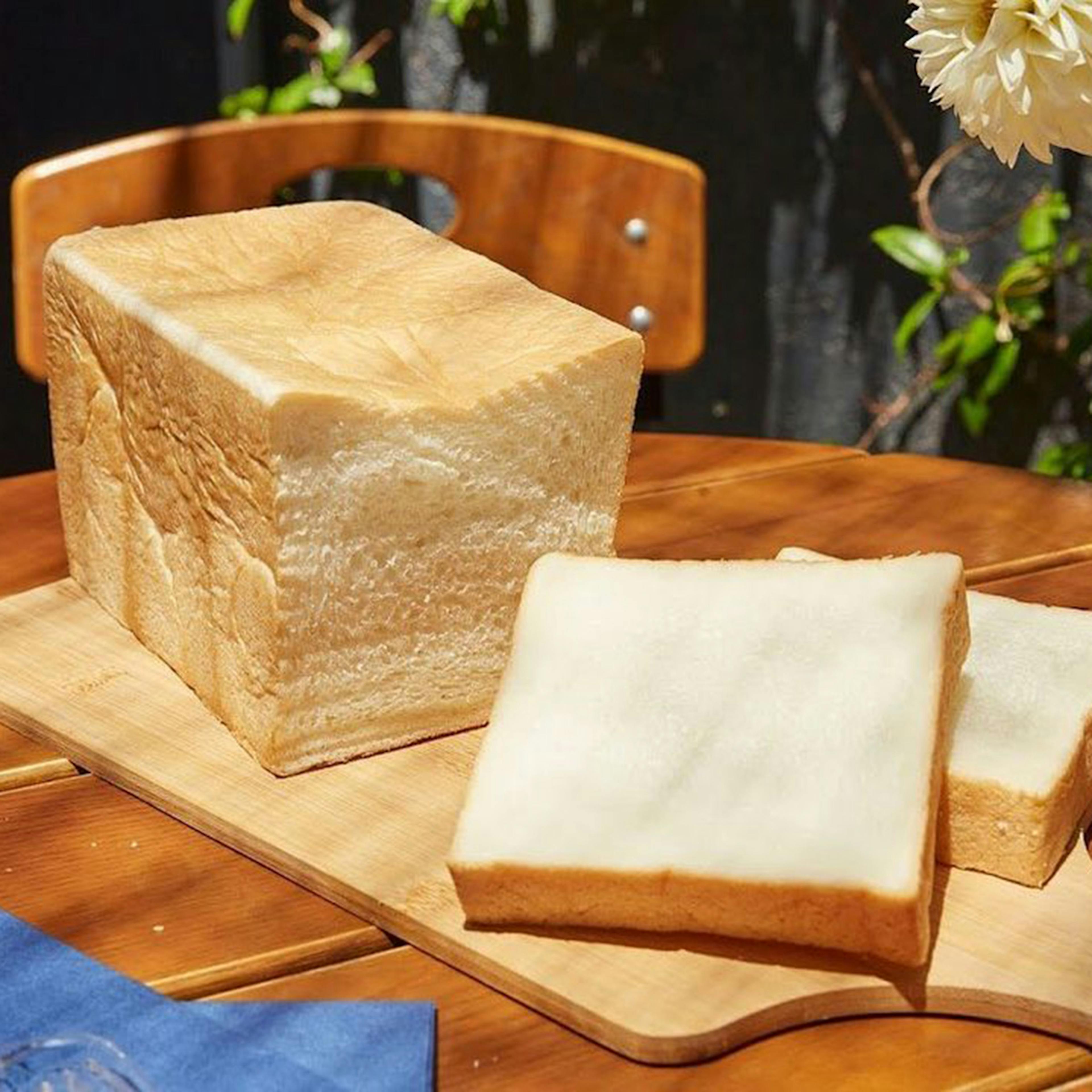
The Japanese Style Milk Loaf contains beneficial ingredients such as whole milk, unsalted butter, and pasteurized eggs, which contribute to its nutritional profile. However, it is heavily processed, containing refined sugar and emulsifiers like E471 and E481, which are synthetic additives with no nutritional benefits. The presence of these additives and the level of processing limit its health score despite some positive ingredients.
Key ingredients 18
Whole MilkGood
Whole milk is a source of high-quality protein and essential nutrients like calcium and vitamin D. It supports bone health and provides a creamy texture to baked goods. The presence of natural fats enhances flavor and satiety.
Risks
May cause lactose intolerance symptoms in sensitive individuals.
Benefits
Rich in calcium and vitamin D, supporting bone health.
Unsalted ButterGood
Butter provides a rich source of fat-soluble vitamins and adds flavor to baked goods. It contains healthy saturated fats that can support hormone production and cellular health. The absence of salt allows for better control over sodium intake.
Risks
High in saturated fats, which should be consumed in moderation.
Benefits
Rich in fat-soluble vitamins and enhances flavor.
Pasteurised EggGood
Eggs are a high-quality protein source and contain essential nutrients like choline and vitamin B12. They contribute to the structure and richness of baked goods. Pasteurization ensures safety by reducing the risk of salmonella.
Risks
Potential allergen for some individuals.
Benefits
Excellent source of protein and essential nutrients.
Ascorbic AcidGood
Ascorbic acid, or vitamin C, is used as a dough conditioner and antioxidant. It helps improve the quality and shelf life of bread. Additionally, it provides a nutritional benefit as a vitamin.
Benefits
Acts as an antioxidant and improves dough quality.
CalciumGood
Calcium is an essential mineral that supports bone health and muscle function. It is often added to fortify foods and improve nutritional content. Its presence in bread contributes to daily calcium intake.
Benefits
Supports bone health and muscle function.
IronGood
Iron is a vital mineral necessary for oxygen transport in the blood. It is often added to foods to prevent anemia and improve nutritional value. Its inclusion in bread helps meet daily iron requirements.
Risks
Excessive iron intake can lead to toxicity, but this is rare from food sources.
Benefits
Essential for oxygen transport and preventing anemia.
Vitamin B3Good
Vitamin B3, or niacin, is important for energy metabolism and maintaining healthy skin. It is often added to fortify foods and enhance nutritional content. Its presence in bread supports overall health and well-being.
Benefits
Supports energy metabolism and skin health.
Vitamin B1Good
Vitamin B1, or thiamine, is essential for energy production and nerve function. It is commonly added to foods to prevent deficiencies and improve nutritional value. Its inclusion in bread aids in maintaining energy levels.
Benefits
Essential for energy production and nerve function.
WheatflourNeutral
Wheatflour is a staple ingredient in bread, providing structure and texture. It is a refined carbohydrate, which can lead to rapid spikes in blood sugar levels. While it is a common ingredient, it lacks the nutritional benefits of whole grain alternatives.
Risks
Refined wheatflour can contribute to blood sugar spikes and lacks fiber.
Benefits
Provides structure and texture to baked goods.
Wheat FibreNeutral
Wheat fibre is added to increase the fiber content of the product, aiding in digestion. It does not significantly alter the taste or texture of the bread. While beneficial for digestion, it lacks the comprehensive nutrients found in whole grains.
Benefits
Aids in digestion and increases fiber content.
Wheat GlutenNeutral
Wheat gluten is used to improve the elasticity and chewiness of bread. It is a protein found in wheat that can enhance the texture of baked goods. However, it is a common allergen for those with gluten sensitivity or celiac disease.
Risks
Can cause adverse reactions in individuals with gluten intolerance or celiac disease.
Benefits
Improves texture and elasticity of baked goods.
SaltNeutral
Salt is used to enhance flavor and control yeast activity in bread. It is a necessary ingredient for taste but should be consumed in moderation to avoid health issues. The type of salt used is not specified, which may affect its mineral content.
Risks
Excessive consumption can lead to high blood pressure.
Benefits
Enhances flavor and controls yeast activity.
CornflourNeutral
Cornflour is used as a thickening agent and to improve texture. It is a refined carbohydrate with limited nutritional value. While it serves a functional purpose, it does not contribute significant health benefits.
Benefits
Improves texture and acts as a thickening agent.
YeastNeutral
Baker's/nutritional yeast in standard use — benign.
Benefits
Facilitates fermentation and enhances flavor.
Folic AcidNeutral
Standard formulation ingredient — neither beneficial nor harmful at typical use.
Benefits
Supports DNA synthesis and prevents neural tube defects.
SugarBad
Refined sugar is a simple carbohydrate that can lead to rapid increases in blood sugar levels. Excessive consumption is linked to various health issues, including obesity and dental cavities. It is used to enhance sweetness but offers no nutritional benefits.
Risks
Contributes to obesity, diabetes, and dental issues when consumed in excess.
Benefits
Provides sweetness and enhances flavor.
Emulsifier E471Bad
E471 is a mono- and diglyceride emulsifier used to improve texture and shelf life. It is a processed additive that may contain trans fats. While it serves a functional purpose, it is not a natural ingredient.
Risks
May contain trans fats, which are linked to heart disease.
Benefits
Improves texture and extends shelf life.
Emulsifier E481Bad
E481 is a sodium stearoyl lactylate emulsifier used to improve dough strength and texture. It is a synthetic additive with no nutritional benefits. Its use is primarily functional, not nutritional.
Benefits
Enhances dough strength and texture.
Processing
Ultra-Processed Foods
Get the full breakdown in the Scout appTake Scout shopping
Scan any product to see lab results, healthy alternatives, and your personalized analysis.
Download on theApp Store GET IT ONGoogle Play