

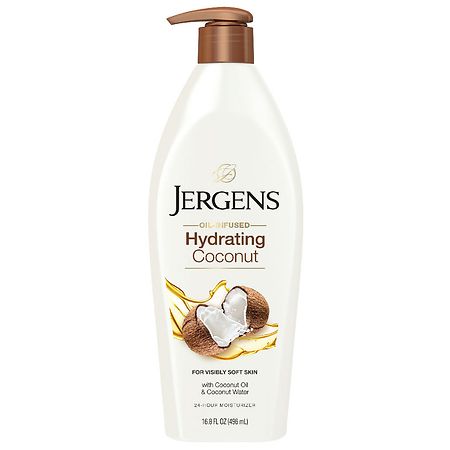
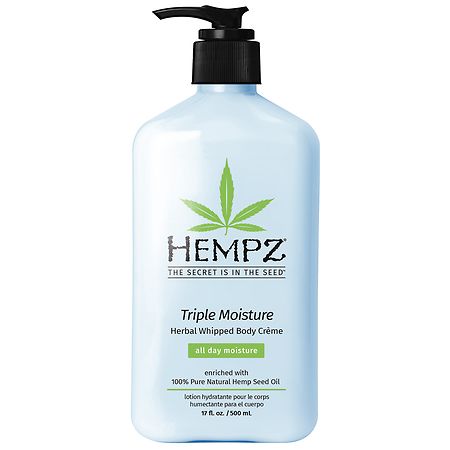
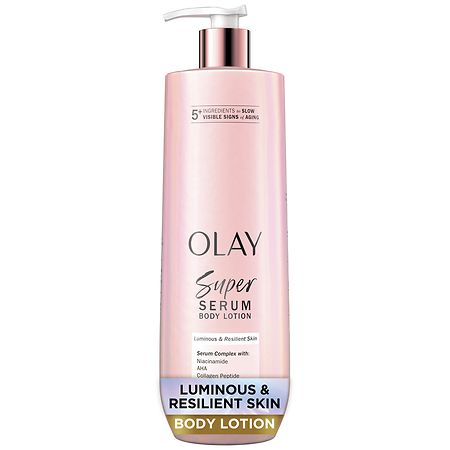
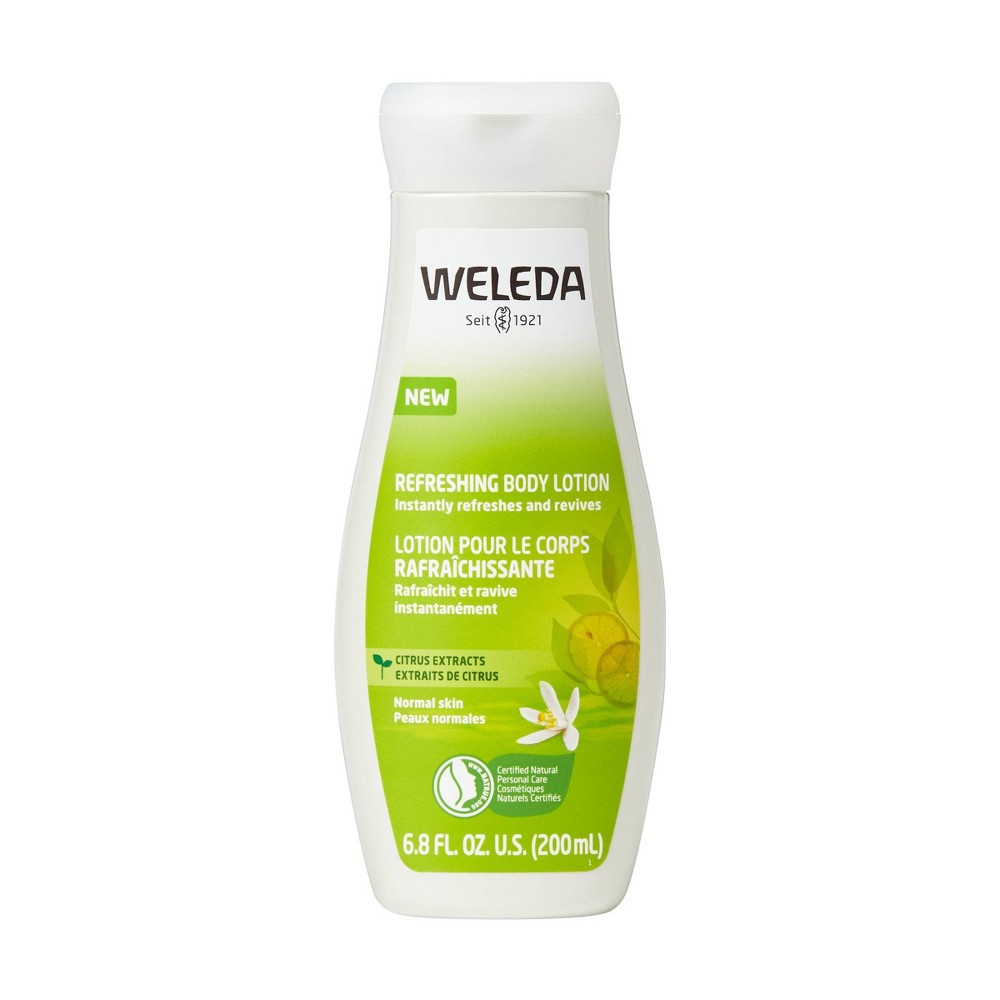
Cetaphil Moisturizing Lotion for Normal to Dry Skin Hydrating Fragrance Free 20 fl oz
Analysis updated August 2026 · How Scout scores
At a glance
Summary
This moisturizing lotion contains beneficial ingredients such as glycerin, avocado oil, and vitamin E, which provide hydration and nourishment to the skin. However, the presence of benzyl alcohol, which can be irritating in higher concentrations, and the use of acrylates as a thickener slightly detract from its overall safety profile. The product is mostly composed of safe and effective ingredients, but the inclusion of some synthetic components affects its rating.
Key ingredients 17
PERSEA GRATISSIMA (AVOCADO) OILVery Good
Avocado oil is a natural oil rich in fatty acids and vitamins. It provides deep moisturization and nourishment to the skin. It is highly regarded for its skin-conditioning properties.
Risks
There are minimal risks, though it may cause allergic reactions in individuals sensitive to avocados.
Benefits
Avocado oil deeply nourishes and hydrates the skin.
GLYCERINGood
Glycerin is a well-known humectant that attracts moisture to the skin. It helps maintain the skin's hydration levels and improves skin barrier function. It is widely used in skincare for its moisturizing properties.
Risks
There are minimal risks associated with glycerin, though it can be sticky in high concentrations.
Benefits
Glycerin helps keep the skin hydrated and soft.
TOCOPHERYL ACETATE (VITAMIN E)Good
Tocopheryl acetate is a form of Vitamin E, a powerful antioxidant. It helps protect the skin from oxidative stress and supports skin health. It is widely used for its protective and moisturizing properties.
Risks
There are minimal risks, though it can cause irritation in very sensitive skin.
Benefits
Vitamin E provides antioxidant protection and moisturization.
PANTHENOLGood
Panthenol is a form of Vitamin B5, known for its moisturizing and soothing properties. It helps improve skin hydration and reduce inflammation. It is widely used in skincare for its beneficial effects on skin health.
Risks
There are minimal risks, though it can cause irritation in very sensitive skin.
Benefits
Panthenol helps moisturize and soothe the skin.
WATERNeutral
Water is a common solvent used in cosmetic formulations. It helps dissolve other ingredients and provides a base for the lotion. It is generally considered safe and non-irritating.
Risks
There are no significant risks associated with water in cosmetic products.
Benefits
Water helps hydrate the skin by providing moisture.
HYDROGENATED POLYISOBUTENENeutral
Hydrogenated polyisobutene is a synthetic emollient used to enhance the texture and spreadability of lotions. It provides a smooth application and helps lock in moisture. It is considered safe for use in cosmetics.
Risks
There are no significant risks associated with this ingredient.
Benefits
It helps improve the texture and moisture retention of the lotion.
CETEARETH-20Neutral
Ceteareth-20 is an emulsifier that helps blend oil and water components in formulations. It ensures a stable and uniform product. It is generally considered safe but can be irritating to some sensitive skin types.
Risks
There is a potential risk of irritation, especially in sensitive individuals.
Benefits
It helps maintain the stability and consistency of the lotion.
CETEARYL ALCOHOLNeutral
Standard formulation ingredient — neither beneficial nor harmful at typical use.
Risks
There are minimal risks, though it can cause mild irritation in very sensitive skin.
Benefits
It provides moisturizing and skin-softening benefits.
SODIUM LEVULINATENeutral
Sodium levulinate is a salt derived from levulinic acid, used as a preservative and skin conditioning agent. It helps maintain product stability and skin health. It is considered safe for use in cosmetics.
Risks
There are no significant risks associated with this ingredient.
Benefits
It helps preserve the product and condition the skin.
SODIUM ANISATENeutral
Sodium anisate is a salt derived from anise, used as a preservative and fragrance ingredient. It helps maintain product freshness and can impart a mild scent. It is considered safe for use in cosmetics.
Risks
There are no significant risks associated with this ingredient.
Benefits
It helps preserve the product and may provide a mild fragrance.
CAPRYLYL GLYCOLNeutral
Caprylyl glycol is a skin conditioning agent and preservative. It helps improve the skin's moisture content and extends the shelf life of products. It is considered safe for use in cosmetics.
Risks
There are no significant risks associated with this ingredient.
Benefits
It helps moisturize the skin and preserve the product.
STEAROXYTRIMETHYLSILANENeutral
Stearoxytrimethylsilane is a silicone-based conditioning agent. It helps improve the texture and feel of the skin. It is considered safe for use in cosmetics.
Risks
There are no significant risks associated with this ingredient.
Benefits
It helps condition the skin and improve product texture.
STEARYL ALCOHOLNeutral
Stearyl alcohol is a fatty alcohol used as an emollient and thickener. It helps soften and smooth the skin. It is considered safe and beneficial for skin conditioning.
Risks
There are minimal risks, though it can cause mild irritation in very sensitive skin.
Benefits
It provides moisturizing and skin-softening benefits.
CITRIC ACIDNeutral
Citric acid is used to adjust the pH of cosmetic formulations. It helps maintain product stability and can provide mild exfoliation. It is generally considered safe for use in cosmetics.
Risks
There are minimal risks, though it can cause irritation in sensitive skin.
Benefits
It helps maintain product stability and can gently exfoliate the skin.
DIMETHICONEBad
Occlusive silicone film-former — flagged under clean-beauty doctrine.
Risks
There are minimal risks, though it can cause build-up on the skin with prolonged use.
Benefits
Dimethicone helps smooth the skin and lock in moisture.
BENZYL ALCOHOLBad
Benzyl alcohol is used as a preservative and solvent in cosmetics. It can be irritating to the skin and eyes, especially in high concentrations. It is considered safe in low concentrations but can cause allergic reactions.
Risks
It can cause irritation and allergic reactions in sensitive individuals.
Benefits
It helps preserve the product and improve its texture.
ACRYLATES/C10-30 ALKYL ACRYLATE CROSSPOLYMERBad
Processed additive flagged under Scout's ingredient doctrine.
Risks
There are no significant risks associated with this ingredient.
Benefits
It helps thicken and stabilize the lotion.
Processing
Processed Foods
Get the full breakdown in the Scout appTake Scout shopping
Scan any product to see lab results, healthy alternatives, and your personalized analysis.
Download on theApp Store GET IT ONGoogle Play