
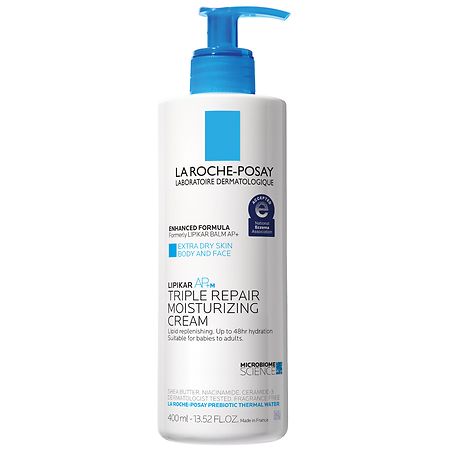
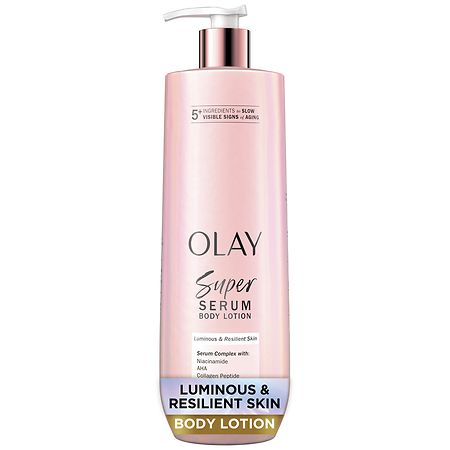
La Roche Posay Lipikar AP+M Triple Repair Body Moisturizing Cream Body and Face Moisturizer for Dry Skin with Shea Butter and Glycerin - 13.5 fl oz
Analysis updated August 2026 · How Scout scores
At a glance
Summary
This body moisturizer contains beneficial ingredients like shea butter, glycerin, and niacinamide, which are known for their moisturizing and skin-soothing properties. However, the presence of PEG compounds and synthetic ingredients like dimethicone and ammonium polyacryloyldimethyl taurate slightly lowers its rating due to their higher processing level. The product does not contain any major harmful substances, but the inclusion of some synthetic components prevents it from achieving a top-tier score.
Key ingredients 28
Butyrospermum Parkii ButterVery Good
Butyrospermum Parkii Butter, commonly known as shea butter, is a natural fat extracted from the nuts of the shea tree. It is highly moisturizing and contains vitamins A and E, which are beneficial for skin health.
Risks
There is a low risk of allergic reactions, particularly for individuals with nut allergies.
Benefits
Shea butter is known for its emollient properties, helping to soften and smooth the skin.
TocopherolVery Good
Tocopherol, or vitamin E, is a powerful antioxidant used in skincare for its protective and moisturizing properties. It helps to protect the skin from environmental damage.
Risks
It is generally well-tolerated, but high concentrations may cause mild irritation.
Benefits
It helps to nourish and protect the skin, improving overall skin health.
GlycerinGood
Glycerin is a humectant that attracts moisture to the skin, helping to keep it hydrated. It is a common ingredient in skincare products due to its effectiveness and safety.
Risks
Glycerin is generally safe, but in very high concentrations, it may cause irritation.
Benefits
It helps maintain the skin's moisture balance and improves skin barrier function.
NiacinamideGood
Niacinamide, also known as vitamin B3, is a versatile skincare ingredient known for its anti-inflammatory properties and ability to improve skin tone and texture. It helps reduce redness and blotchiness.
Risks
Niacinamide is generally well-tolerated, but high concentrations may cause mild irritation.
Benefits
It supports the skin barrier, improves elasticity, and reduces the appearance of fine lines.
Brassica Campestris Oleifera OilGood
Brassica Campestris Oleifera Oil, also known as rapeseed oil, is a plant-derived oil rich in fatty acids. It provides moisturizing and nourishing benefits to the skin.
Risks
There is a low risk of allergic reactions, particularly for individuals with sensitivities to plant oils.
Benefits
It helps to improve skin hydration and provides essential nutrients.
Ophiopogon Japonicus Root ExtractGood
Ophiopogon Japonicus Root Extract is a botanical ingredient known for its moisturizing and soothing properties. It is used in skincare for its ability to improve skin hydration.
Risks
There is a low risk of allergic reactions, particularly for individuals with sensitivities to plant extracts.
Benefits
It helps to soothe and hydrate the skin, providing a calming effect.
Ceramide NPGood
Ceramide NP is a type of lipid that is naturally found in the skin. It helps to restore the skin barrier and retain moisture, making it a valuable ingredient in skincare.
Risks
Ceramides are generally well-tolerated, with a low risk of irritation.
Benefits
It strengthens the skin barrier and improves moisture retention, enhancing skin health.
Vitreoscilla FermentGood
Vitreoscilla Ferment is a probiotic ingredient used in skincare for its soothing and skin-balancing properties. It helps to improve the skin's microbiome and reduce irritation.
Risks
There is a low risk of allergic reactions, particularly for individuals with sensitivities to fermentation products.
Benefits
It helps to soothe and balance the skin, promoting a healthy microbiome.
AquaNeutral
Aqua, or water, is a common solvent used in cosmetic formulations. It helps dissolve other ingredients and provides a base for the product. It is generally considered safe and non-irritating.
Risks
There are no significant risks associated with water in cosmetic products.
Benefits
Water helps to hydrate the skin and acts as a carrier for other beneficial ingredients.
Cetearyl AlcoholNeutral
Cetearyl Alcohol is a fatty alcohol used as an emollient and thickening agent in cosmetics. It helps stabilize formulations and provides a creamy texture.
Risks
It is generally safe, but some individuals with sensitive skin may experience irritation.
Benefits
It helps to soften and smooth the skin, enhancing the product's texture.
Glyceryl StearateNeutral
Glyceryl Stearate is an emulsifier that helps blend water and oil components in formulations. It is commonly used to improve product texture and stability.
Risks
It is generally considered safe, with a low risk of irritation.
Benefits
It helps to maintain the consistency of the product and provides a smooth application.
Ammonium Polyacryloyldimethyl TaurateNeutral
Ammonium Polyacryloyldimethyl Taurate is a synthetic polymer used as a thickening agent in cosmetics. It helps to stabilize emulsions and improve product texture.
Risks
There is a low risk of irritation, particularly for individuals with sensitive skin.
Benefits
It enhances the viscosity and feel of the product, contributing to a pleasant application.
PEG-100 StearateNeutral
PEG-100 Stearate is an emulsifier that helps to blend oil and water components in formulations. It is widely used in cosmetics for its stabilizing properties.
Risks
There is a potential risk of contamination with ethylene oxide and 1,4-dioxane, which are byproducts of the ethoxylation process.
Benefits
It helps to maintain the consistency and stability of the product.
PropanediolNeutral
Propanediol is a glycol used as a solvent and humectant in skincare products. It helps to improve the texture and moisture content of formulations.
Risks
It is generally considered safe, with a low risk of irritation.
Benefits
It enhances the skin's hydration and improves the product's spreadability.
Sorbitan TristearateNeutral
Sorbitan Tristearate is an emulsifier used to stabilize formulations and improve texture. It helps to blend oil and water components in cosmetics.
Risks
It is generally considered safe, with a low risk of irritation.
Benefits
It contributes to the smooth texture and stability of the product.
DimethiconolNeutral
Dimethiconol is a silicone-based polymer used in cosmetics for its conditioning properties. It provides a smooth application and forms a protective barrier on the skin.
Risks
Some individuals may experience mild irritation or allergic reactions.
Benefits
It helps to improve skin texture and provides a silky feel.
PEG-20 Methyl Glucose SesquistearateNeutral
PEG-20 Methyl Glucose Sesquistearate is an emulsifier that helps to blend oil and water components in formulations. It is used to stabilize and improve the texture of cosmetics.
Risks
There is a potential risk of contamination with ethylene oxide and 1,4-dioxane, which are byproducts of the ethoxylation process.
Benefits
It helps to maintain the consistency and stability of the product.
Sodium ChlorideNeutral
Sodium Chloride, or table salt, is used in cosmetics as a thickening agent and to adjust the viscosity of formulations. It is a common and safe ingredient.
Risks
In high concentrations, it may cause irritation, but it is generally safe in cosmetic formulations.
Benefits
It helps to improve the texture and consistency of the product.
MannoseNeutral
Mannose is a sugar molecule used in skincare for its hydrating properties. It helps to improve moisture retention in the skin.
Risks
It is generally considered safe, with a low risk of irritation.
Benefits
It enhances skin hydration and supports the skin barrier.
Coco-BetaineNeutral
Coco-Betaine is a surfactant derived from coconut oil, used in cosmetics for its cleansing and foaming properties. It is milder than traditional surfactants.
Risks
There is a low risk of irritation, particularly for individuals with sensitive skin.
Benefits
It provides gentle cleansing and helps to maintain the skin's natural moisture balance.
Capryloyl GlycineNeutral
Capryloyl Glycine is an amino acid derivative used in skincare for its antimicrobial properties. It helps to improve skin texture and reduce oiliness.
Risks
It is generally considered safe, with a low risk of irritation.
Benefits
It helps to balance the skin's oil production and provides antimicrobial benefits.
Caprylyl GlycolNeutral
Caprylyl Glycol is a humectant and skin conditioning agent used in cosmetics. It helps to improve moisture retention and enhance the efficacy of preservatives.
Risks
It is generally considered safe, with a low risk of irritation.
Benefits
It enhances skin hydration and supports the stability of the product.
Citric AcidNeutral
Citric Acid is an alpha hydroxy acid used in cosmetics to adjust pH levels and provide mild exfoliation. It helps to improve skin texture and clarity.
Risks
In high concentrations, it may cause irritation, but it is generally safe in cosmetic formulations.
Benefits
It helps to balance the product's pH and provides gentle exfoliation.
MaltodextrinNeutral
Maltodextrin is a polysaccharide used in cosmetics as a binding and stabilizing agent. It helps to improve the texture and consistency of formulations.
Risks
It is generally considered safe, with a low risk of irritation.
Benefits
It helps to maintain the stability and texture of the product.
Xanthan GumNeutral
Xanthan Gum is a natural thickening agent used in cosmetics to improve texture and stability. It helps to create a smooth and consistent product.
Risks
It is generally considered safe, with a low risk of irritation.
Benefits
It enhances the viscosity and feel of the product, contributing to a pleasant application.
Pentaerythrityl Tetra-Di-T-Butyl HydroxyhydrocinnamateNeutral
Pentaerythrityl Tetra-Di-T-Butyl Hydroxyhydrocinnamate is an antioxidant used in cosmetics to prevent the oxidation of ingredients. It helps to maintain the stability and efficacy of the product.
Risks
It is generally considered safe, with a low risk of irritation.
Benefits
It helps to protect the product from degradation, ensuring its longevity and effectiveness.
DimethiconeBad
Occlusive silicone film-former — flagged under clean-beauty doctrine.
Risks
Some individuals may experience mild irritation or allergic reactions.
Benefits
It helps to improve skin texture and provides a silky feel.
Disodium EDTABad
Processed additive flagged under Scout's ingredient doctrine.
Risks
There is a low risk of irritation, but it is generally considered safe in cosmetic formulations.
Benefits
It helps to maintain the stability and effectiveness of the product.
Processing
Processed Foods
Get the full breakdown in the Scout appTake Scout shopping
Scan any product to see lab results, healthy alternatives, and your personalized analysis.
Download on theApp Store GET IT ONGoogle PlayAmazon pricing & content
Amazon price as of . Product prices and availability are accurate as of the date/time indicated and are subject to change. Any price and availability information displayed on Amazon.com at the time of purchase will apply to the purchase of this product.
CERTAIN CONTENT THAT APPEARS ON THIS SITE COMES FROM AMAZON. THIS CONTENT IS PROVIDED “AS IS” AND IS SUBJECT TO CHANGE OR REMOVAL AT ANY TIME.