


At a glance
Summary
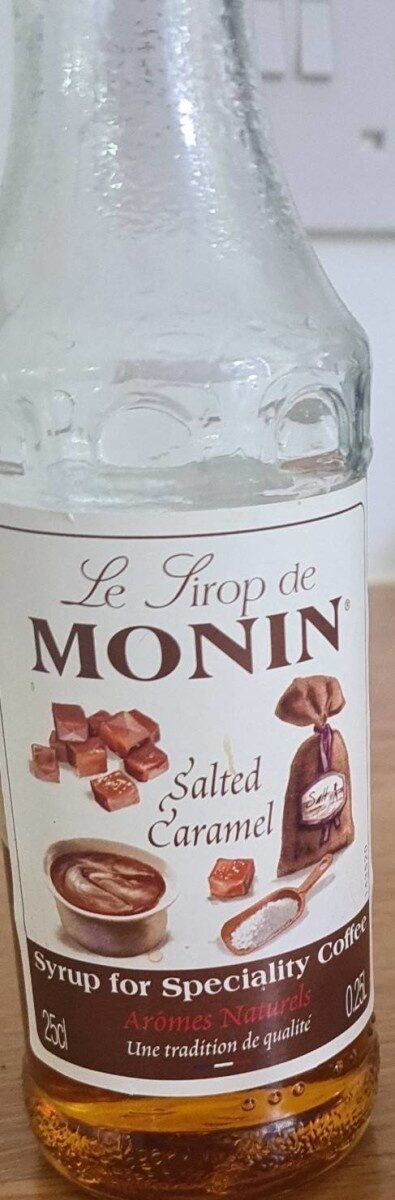
This syrup is primarily composed of refined sugar, which contributes to high caloric intake without essential nutrients and is linked to health issues like obesity and diabetes. The presence of 'natural flavors' adds to the processing level, as these can include various chemical compounds without clear disclosure. While sea salt is a minimally processed ingredient, the overall product is processed and lacks nutritional benefits.
Key ingredients 4
Sea SaltGood
Sea salt is a minimally processed source of sodium and trace minerals. It is harvested through evaporation of seawater and retains some beneficial minerals. Compared to refined table salt, it offers a more natural option with potential health benefits.
Risks
Excessive sodium intake can lead to hypertension and cardiovascular issues.
Benefits
Provides essential sodium and trace minerals that support electrolyte balance and overall health.
WaterNeutral
Water is a neutral ingredient that acts as a solvent and carrier in food products. It does not contribute calories or nutrients but is essential for hydration. In this product, it serves to dissolve and mix other ingredients.
See more about Water →Pure Cane SugarBad
Refined sugar contributes to high caloric intake without providing essential nutrients. It is associated with increased risk of obesity, type 2 diabetes, and dental cavities. The processing of cane sugar removes beneficial nutrients found in whole sugarcane.
Risks
Excessive consumption can lead to weight gain, insulin resistance, and increased risk of chronic diseases.
Natural FlavorsBad
Natural flavors are often used to enhance taste but lack transparency regarding their specific composition. They can contain a variety of chemical compounds derived from natural sources. The lack of disclosure can be concerning for individuals with allergies or sensitivities.
Risks
Potential allergenicity and lack of transparency in ingredient composition.
Processing
Processed Foods
Get the full breakdown in the Scout appTake Scout shopping
Scan any product to see lab results, healthy alternatives, and your personalized analysis.
Download on theApp Store GET IT ONGoogle Play