
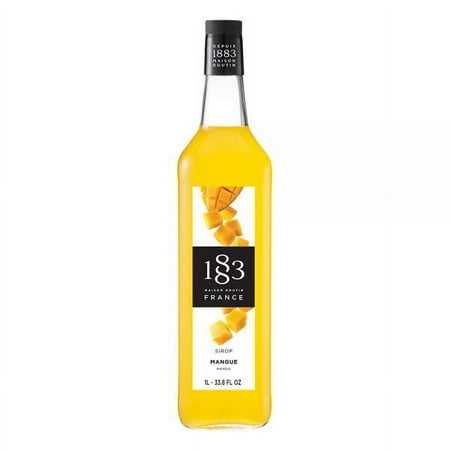

1883 Maison Routin Mango Syrup - Bottle (1L)
Analysis updated June 2026 · How Scout scores
At a glance
Summary
This syrup contains a significant amount of cane sugar, which contributes to high caloric intake without essential nutrients, posing risks of obesity and diabetes when consumed excessively. The presence of both natural and artificial flavors adds to the processing level, raising concerns about transparency and potential health implications. While it includes mango juice from concentrate, which offers some natural sugars and vitamins, the overall ingredient list and processing level limit its healthfulness.
Key ingredients 6
Beta CaroteneGood
Beta carotene is a natural antioxidant that can support eye health and provides a natural orange color.
See more about Beta Carotene →WaterNeutral
Water is the base of the formulation — inert.
See more about Water →Citric AcidNeutral
Common acidulant and preservative — safe at typical use levels, neither beneficial nor harmful.
See more about Citric Acid →Natural and Artificial FlavorsNeutral
These flavors are used to enhance taste but do not provide nutritional benefits and may contain synthetic components.
See more about Natural and Artificial Flavors →Cane SugarBad
Cane sugar is high in added sugars, which can contribute to excess calorie intake if consumed in large amounts.
See more about Cane Sugar →Mango Juice from ConcentrateBad
Mango juice from concentrate often contains added sugars and preservatives, which can reduce its natural nutritional value.
See more about Mango Juice from Concentrate →Processing
Processed Foods
Get the full breakdown in the Scout appTake Scout shopping
Scan any product to see lab results, healthy alternatives, and your personalized analysis.
Download on theApp Store GET IT ONGoogle PlayAmazon pricing & content
Amazon price as of . Product prices and availability are accurate as of the date/time indicated and are subject to change. Any price and availability information displayed on Amazon.com at the time of purchase will apply to the purchase of this product.
CERTAIN CONTENT THAT APPEARS ON THIS SITE COMES FROM AMAZON. THIS CONTENT IS PROVIDED “AS IS” AND IS SUBJECT TO CHANGE OR REMOVAL AT ANY TIME.