



At a glance
Summary
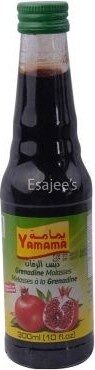
This syrup contains refined sugar, which is a high-calorie ingredient with no essential nutrients and can contribute to weight gain and chronic diseases when consumed in excess. The product is processed, which limits its score potential, but it has a relatively short ingredient list with only one additive, citric acid, which is generally considered safe.
Key ingredients 5
MolassesNeutral
Molasses is a byproduct of sugar production and contains some vitamins and minerals. It is less refined than sugar but still high in sugar content. It provides a distinct flavor and some micronutrients like iron and calcium.
Risks
High sugar content can contribute to weight gain and dental issues if consumed in excess.
Benefits
Contains small amounts of vitamins and minerals such as iron, calcium, and magnesium.
WaterNeutral
Water is a neutral ingredient used as a solvent and to adjust consistency. It does not contribute calories or nutrients. It is essential for hydration and maintaining bodily functions.
Benefits
Essential for hydration and supports various physiological functions.
Citric AcidNeutral
Citric acid is a natural acidulant used to enhance flavor and preserve freshness. It is commonly found in citrus fruits and used in food processing. It helps maintain the stability and shelf life of products.
Risks
Excessive consumption may cause dental erosion or gastrointestinal discomfort.
Benefits
Acts as a natural preservative and enhances flavor without adding calories.
SaltNeutral
Salt is used to enhance flavor and preserve food. It is a source of sodium, which is essential for fluid balance and nerve function. However, excessive intake can lead to health issues.
Risks
High sodium intake can increase the risk of hypertension and cardiovascular diseases.
Benefits
Provides essential sodium needed for various bodily functions.
SugarBad
Refined sugar is a high-calorie ingredient with no essential nutrients. It can lead to weight gain and increased risk of chronic diseases when consumed in large amounts. It is often used to enhance sweetness in processed foods.
Risks
Excessive consumption can lead to obesity, type 2 diabetes, and heart disease.
Processing
Processed Foods
Get the full breakdown in the Scout appTake Scout shopping
Scan any product to see lab results, healthy alternatives, and your personalized analysis.
Download on theApp Store GET IT ONGoogle Play