
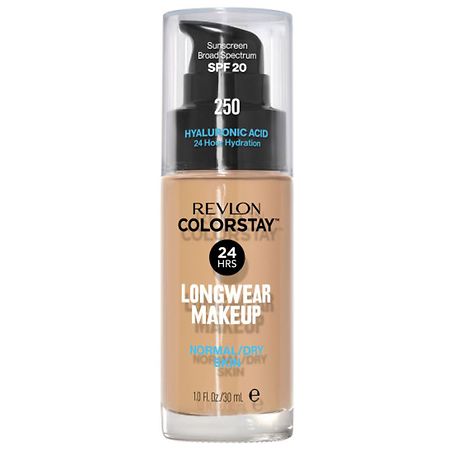

Revlon ColorStay Makeup for Normal/Dry Skin - SPF 20 - 250 Fresh Beige - 1 fl oz: Oil-Free, No Fragrance, Buildable Coverage, Liquid Foundation
Analysis updated September 2026 · How Scout scores
At a glance
Summary
This foundation contains beneficial ingredients like Sodium Hyaluronate and Tocopheryl Acetate, which provide moisturizing and antioxidant benefits. However, it also includes controversial preservatives such as Ethylparaben and Methylparaben, which are associated with potential endocrine disruption, and Phenoxyethanol, which can cause irritation. The presence of these preservatives, along with a moderate level of processing, impacts the overall safety and quality of the product.
Key ingredients 31
MicaGood
Beneficial ingredient — whole-food or functional value in this product class.
Risks
Ethical concerns related to mining practices.
Benefits
Adds shimmer and enhances the appearance of the product.
Salicylic AcidGood
Salicylic Acid is a beta hydroxy acid used for its exfoliating and anti-acne properties. It is effective in treating acne and improving skin texture. However, it can cause irritation in sensitive individuals.
Risks
May cause irritation or dryness, especially in sensitive skin.
Benefits
Helps to exfoliate the skin and treat acne.
Sodium HyaluronateGood
Sodium Hyaluronate is a form of hyaluronic acid used for its excellent moisturizing properties. It helps to retain moisture and improve skin hydration. It is considered very beneficial for all skin types.
Risks
Generally considered safe with minimal risk.
Benefits
Provides deep hydration and improves skin elasticity.
Tocopheryl AcetateGood
Tocopheryl Acetate is a form of Vitamin E used for its antioxidant properties. It helps to protect the skin from free radical damage. It is considered beneficial for skin health.
Risks
May cause irritation in very sensitive skin.
Benefits
Provides antioxidant protection and improves skin health.
CyclopentasiloxaneNeutral
Cyclopentasiloxane is a silicone-based compound used for its smooth application and quick-drying properties. It is generally considered safe for use in cosmetics. However, it can be an environmental concern due to its persistence.
Risks
There are concerns about its environmental impact as it does not break down easily.
Benefits
It provides a silky texture and helps in even application of the product.
PEG-9 Polydimethylsiloxyethyl DimethiconeNeutral
This ingredient is a silicone-based polymer used for its emollient and conditioning properties. It is generally considered safe in cosmetics. However, PEG compounds can sometimes be contaminated with harmful impurities.
Risks
Potential contamination with ethylene oxide and 1,4-dioxane, which are harmful.
Benefits
Improves texture and spreadability of the product.
Phenyl TrimethiconeNeutral
Phenyl Trimethicone is a silicone that provides a glossy finish and helps to prevent moisture loss. It is considered safe for use in cosmetics. However, like other silicones, it can cause build-up on the skin.
Risks
May cause build-up on the skin, potentially leading to clogged pores.
Benefits
Enhances shine and provides a smooth application.
Methyl Methacrylate CrosspolymerNeutral
This ingredient is a polymer used to provide texture and absorb excess oil. It is generally considered safe in cosmetics. However, it can be a concern for those with sensitive skin.
Risks
May cause irritation in sensitive individuals.
Benefits
Helps to control oil and improve the texture of the product.
SilicaNeutral
Silica is used as a thickening agent and to improve the texture of cosmetics. It is generally considered safe. However, inhalation of fine silica particles can be harmful.
Risks
Inhalation of fine particles can be harmful to the lungs.
Benefits
Improves texture and provides a matte finish.
Butylene GlycolNeutral
Butylene Glycol is a common ingredient used as a solvent and to improve texture. It is generally considered safe. However, it can cause irritation in some individuals.
Risks
May cause irritation or allergic reactions in sensitive individuals.
Benefits
Improves texture and helps to retain moisture.
Nylon-12Neutral
Nylon-12 is a synthetic polymer used to improve the texture and feel of cosmetics. It is generally considered safe. However, it is a microplastic and can be an environmental concern.
Risks
As a microplastic, it poses environmental concerns.
Benefits
Improves texture and provides a smooth finish.
AluminaNeutral
Alumina is used as an abrasive and thickening agent in cosmetics. It is generally considered safe. However, there are concerns about its potential to cause irritation.
Risks
May cause irritation in sensitive individuals.
Benefits
Improves texture and provides a matte finish.
Disteardimonium HectoriteNeutral
This ingredient is a clay-based thickener used to stabilize emulsions. It is generally considered safe. However, it can cause irritation in some individuals.
Risks
May cause irritation or allergic reactions in sensitive individuals.
Benefits
Stabilizes emulsions and improves texture.
Ethylene BrassylateNeutral
Ethylene Brassylate is a fragrance ingredient used for its scent. It is generally considered safe. However, it can cause allergic reactions in sensitive individuals.
Risks
May cause allergic reactions or irritation.
Benefits
Provides a pleasant scent to the product.
Hydrogen DimethiconeNeutral
Hydrogen Dimethicone is a silicone used for its conditioning properties. It is generally considered safe. However, it can cause build-up on the skin.
Risks
May cause build-up on the skin, leading to clogged pores.
Benefits
Provides a smooth application and helps to lock in moisture.
Hydrolyzed Vegetable ProteinNeutral
This ingredient is used for its conditioning properties. It is generally considered safe. However, it can cause allergic reactions in some individuals.
Risks
May cause allergic reactions in sensitive individuals.
Benefits
Conditions the skin and improves texture.
Laureth-7Neutral
Laureth-7 is an emulsifier used to stabilize formulations. It is generally considered safe. However, it can be contaminated with ethylene oxide and 1,4-dioxane.
Risks
Potential contamination with harmful impurities.
Benefits
Stabilizes formulations and improves texture.
Magnesium SulfateNeutral
Magnesium Sulfate is used as a thickening agent and to improve texture. It is generally considered safe. However, it can cause irritation in some individuals.
Risks
May cause irritation in sensitive individuals.
Benefits
Improves texture and provides a matte finish.
MethiconeNeutral
Methicone is a silicone used for its conditioning properties. It is generally considered safe. However, it can cause build-up on the skin.
Risks
May cause build-up on the skin, leading to clogged pores.
Benefits
Provides a smooth application and helps to lock in moisture.
Polyglyceryl-3 DiisostearateNeutral
This ingredient is an emulsifier used to stabilize formulations. It is generally considered safe. However, it can cause irritation in some individuals.
Risks
May cause irritation or allergic reactions in sensitive individuals.
Benefits
Stabilizes formulations and improves texture.
Tetrasodium EDTANeutral
Tetrasodium EDTA is a chelating agent used to improve the stability of cosmetics. It is generally considered safe. However, it can cause irritation in some individuals.
Risks
May cause irritation or allergic reactions in sensitive individuals.
Benefits
Improves product stability and prevents deterioration.
TribeheninNeutral
Tribehenin is an emollient used to condition the skin and improve texture. It is generally considered safe. However, it can cause irritation in some individuals.
Risks
May cause irritation or allergic reactions in sensitive individuals.
Benefits
Conditions the skin and improves texture.
TriethoxycaprylylsilaneNeutral
Triethoxycaprylylsilane is a silicone used to improve the adhesion of pigments. It is generally considered safe. However, it can cause build-up on the skin.
Risks
May cause build-up on the skin, leading to clogged pores.
Benefits
Improves pigment adhesion and enhances product longevity.
Triethyl CitrateNeutral
Triethyl Citrate is used as a fragrance ingredient and to improve texture. It is generally considered safe. However, it can cause irritation in some individuals.
Risks
May cause irritation or allergic reactions in sensitive individuals.
Benefits
Improves texture and provides a pleasant scent.
Iron Oxides (CI 77491, CI 77492, CI 77499)Neutral
Iron Oxides are pigments used to provide color in cosmetics. They are generally considered safe. However, there are concerns about contamination with heavy metals.
Risks
Potential contamination with heavy metals.
Benefits
Provides color and enhances the appearance of the product.
Titanium Dioxide (CI 77891)Neutral
Titanium Dioxide is used as a pigment and UV filter in cosmetics. It is generally considered safe. However, there are concerns about inhalation of fine particles.
Risks
Inhalation of fine particles can be harmful to the lungs.
Benefits
Provides UV protection and enhances product color.
DimethiconeBad
Occlusive silicone film-former — flagged under clean-beauty doctrine.
Risks
May cause build-up on the skin, leading to clogged pores in some individuals.
Benefits
Provides a smooth application and helps to lock in moisture.
Dimethicone/PEG-10/15 CrosspolymerBad
Processed additive flagged under Scout's ingredient doctrine.
Risks
Potential contamination with ethylene oxide and 1,4-dioxane.
Benefits
Provides a smooth application and enhances texture.
PhenoxyethanolBad
Phenoxyethanol is a preservative used to prevent microbial growth. It is effective but can cause irritation and allergic reactions in some individuals. It is considered a harmful substance in cosmetics.
Risks
May cause irritation or allergic reactions, especially in sensitive skin.
Benefits
Prevents microbial growth and extends product shelf life.
EthylparabenVery Bad
Ethylparaben is a preservative used to prevent microbial growth. It is effective in extending shelf life but is controversial due to potential endocrine disruption. It is considered a harmful substance in cosmetics.
Risks
Potential endocrine disruptor and may cause allergic reactions.
Benefits
Prevents microbial growth and extends product shelf life.
MethylparabenVery Bad
Methylparaben is a preservative used to prevent microbial growth. It is effective in extending shelf life but is controversial due to potential endocrine disruption. It is considered a harmful substance in cosmetics.
Risks
Potential endocrine disruptor and may cause allergic reactions.
Benefits
Prevents microbial growth and extends product shelf life.
Get the full breakdown in the Scout appTake Scout shopping
Scan any product to see lab results, healthy alternatives, and your personalized analysis.
Download on theApp Store GET IT ONGoogle PlayAmazon pricing & content
Amazon price as of . Product prices and availability are accurate as of the date/time indicated and are subject to change. Any price and availability information displayed on Amazon.com at the time of purchase will apply to the purchase of this product.
CERTAIN CONTENT THAT APPEARS ON THIS SITE COMES FROM AMAZON. THIS CONTENT IS PROVIDED “AS IS” AND IS SUBJECT TO CHANGE OR REMOVAL AT ANY TIME.