
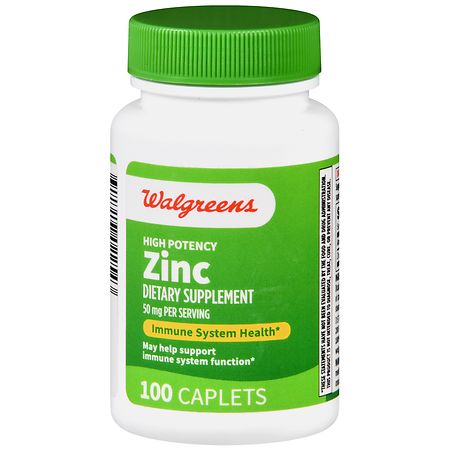

Walgreens High Potency Zinc 50 mg Caplets Tablets 100 Count
Analysis updated September 2026 · How Scout scores
At a glance
Summary
This zinc supplement uses zinc gluconate, a highly bioavailable form of zinc, which is beneficial for immune support and wound healing. However, the presence of natural vanilla flavor, which lacks specificity and may include various additives, slightly detracts from the overall formulation quality. The product contains a moderate number of additives, which impacts its processing level, but it remains a generally effective supplement.
Key ingredients 10
Zinc GluconateVery Good
Zinc gluconate is a highly bioavailable form of zinc, an essential mineral that supports immune function and wound healing. It is well-absorbed in the body and often used in supplements for its effectiveness. Compared to other forms of zinc, gluconate is less likely to cause gastrointestinal discomfort.
Benefits
Zinc is crucial for immune health, DNA synthesis, and cellular metabolism.
Microcrystalline CelluloseNeutral
Microcrystalline cellulose is a common filler and binder used in tablets to provide structure. It is derived from plant fibers and is generally considered safe for consumption. It does not contribute any nutritional value but aids in the manufacturing process.
See more about Microcrystalline Cellulose →Dicalcium PhosphateNeutral
Dicalcium phosphate is used as a dietary supplement and a tableting agent. It provides calcium and phosphorus, which are important for bone health. However, in the amounts typically used in supplements, it primarily serves as a filler.
Risks
Excessive intake may lead to imbalances in calcium and phosphorus levels.
Benefits
Provides a source of calcium and phosphorus, essential for bone health.
Croscarmellose SodiumNeutral
Croscarmellose sodium is a disintegrant used in tablets to help them dissolve and release their active ingredients. It is derived from cellulose and is considered safe for use in supplements. It does not provide nutritional benefits but enhances the effectiveness of the tablet.
See more about Croscarmellose Sodium →Carnauba WaxNeutral
Carnauba wax is used as a coating agent to give tablets a shiny finish and protect them from moisture. It is derived from the leaves of the carnauba palm and is considered safe for consumption. It does not contribute to the nutritional profile of the supplement.
See more about Carnauba Wax →Hydroxypropyl MethylcelluloseNeutral
Hydroxypropyl methylcellulose is a plant-derived polymer used as a thickener and stabilizer in supplements. It is commonly used in the pharmaceutical industry for its ability to form a gel-like consistency. It does not provide nutritional benefits but aids in the stability and delivery of the supplement.
See more about Hydroxypropyl Methylcellulose →Magnesium StearateNeutral
Magnesium stearate is a common lubricant used in tablet manufacturing to prevent ingredients from sticking to equipment. It is generally recognized as safe when used in small amounts. It does not contribute to the nutritional value of the supplement.
See more about Magnesium Stearate →Polyethylene GlycolNeutral
Polyethylene glycol is used as a solvent and plasticizer in supplements to improve texture and stability. It is considered safe for consumption in small amounts. It does not provide nutritional benefits but aids in the formulation of the supplement.
See more about Polyethylene Glycol →Stearic AcidNeutral
Stearic acid is a fatty acid used as a lubricant in tablet manufacturing to prevent sticking. It is naturally found in many foods and is considered safe for consumption. It does not contribute to the nutritional profile of the supplement.
See more about Stearic Acid →Natural Vanilla FlavorBad
Natural vanilla flavor is used to enhance the taste of supplements, but it is a catch-all term that can include a variety of substances. The lack of specificity raises concerns about the quality and source of the flavoring. It does not provide any nutritional benefits and may contain additives.
Risks
Potential for undisclosed additives or allergens.
Processing
Processed Foods
Get the full breakdown in the Scout appTake Scout shopping
Scan any product to see lab results, healthy alternatives, and your personalized analysis.
Download on theApp Store GET IT ONGoogle Play