
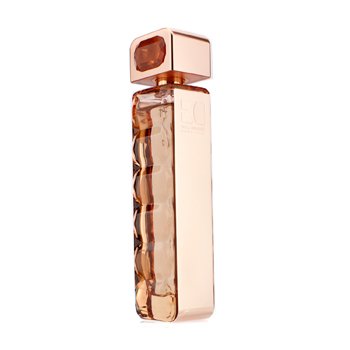
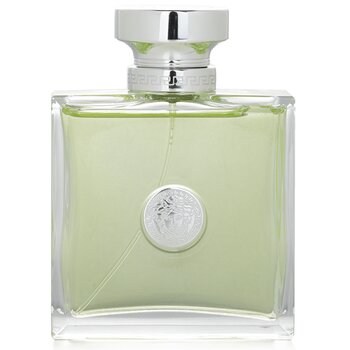
Rabanne Men's 1 Million Lucky Eau de Toilette Spray, 3.4-oz

70 Good
$126.00 · 3.4 oz
View on Amazon
Verified Amazon match

Summary

This product contains a mix of natural ingredients such as grapefruit, plum, and various woods, which are generally considered safe. However, as a fragrance product, it is likely to contain synthetic fragrance compounds not listed, which can be potential irritants or allergens. The processing level is high, indicating significant formulation and manufacturing steps, which can introduce synthetic additives.

At a glance

Beneficial ingredients 0
Harmful ingredients 0
Category Other Makeup

Key ingredients 14

Grapefruit

Grapefruit is often used in fragrances for its fresh and citrusy scent. It can provide a refreshing and invigorating aroma. However, it is primarily used for its olfactory properties rather than skincare benefits.

Risks

There are minimal risks associated with grapefruit in fragrances, though it may cause irritation in sensitive individuals.

Benefits

Grapefruit provides a fresh and uplifting scent that can enhance the overall fragrance profile.

Plum

Plum is included in fragrances for its sweet and fruity aroma. It adds a rich and luscious note to the scent profile. Its use is primarily for fragrance rather than any direct skin benefits.

Risks

Plum in fragrances poses minimal risk, though it may cause irritation for those with sensitivities.

Benefits

Plum contributes a sweet and fruity scent, enhancing the complexity of the fragrance.

Ozonic notes

Ozonic notes are synthetic compounds used to evoke the smell of fresh air or a sea breeze. They are popular in modern perfumery for their clean and airy scent. These notes are purely for fragrance purposes.

Risks

Synthetic ozonic notes may cause irritation or allergic reactions in sensitive individuals.

Benefits

They provide a fresh and clean scent that can make the fragrance feel more vibrant and airy.

Bergamot

Bergamot is a citrus fruit whose oil is used in perfumery for its fresh and slightly spicy scent. It is a common top note in many fragrances. Its primary function is to enhance the fragrance profile.

Risks

Bergamot oil can increase photosensitivity, though this is less of a concern in perfumes.

Benefits

Bergamot adds a bright and refreshing citrus note to the fragrance.

See more about Bergamot →
Hazelnut

Hazelnut is used in fragrances for its warm and nutty aroma. It adds depth and richness to the scent profile. Its use is primarily for olfactory enhancement rather than skincare benefits.

Risks

Hazelnut in fragrances is generally safe, though it may cause irritation in those with nut allergies.

Benefits

Hazelnut provides a warm and comforting scent, adding complexity to the fragrance.

Honey

Honey is included in fragrances for its sweet and rich aroma. It adds a gourmand quality to the scent profile. Its primary use is for fragrance rather than direct skin benefits.

Risks

Honey in fragrances poses minimal risk, though it may cause irritation for those with sensitivities.

Benefits

Honey contributes a sweet and comforting scent, enhancing the fragrance's richness.

See more about Honey →
Cedar

Cedar is used in perfumery for its woody and slightly spicy aroma. It is a common base note that adds depth and warmth to the fragrance. Its primary function is to enhance the scent profile.

Risks

Cedar in fragrances is generally safe, though it may cause irritation in sensitive individuals.

Benefits

Cedar provides a warm and woody scent, adding depth to the fragrance.

Cashmere Wood

Cashmere Wood is a synthetic note used in perfumery to evoke a soft and musky aroma. It adds a luxurious and comforting quality to the fragrance. Its use is primarily for olfactory enhancement.

Risks

Synthetic notes like Cashmere Wood may cause irritation or allergic reactions in sensitive individuals.

Benefits

Cashmere Wood provides a soft and musky scent, enhancing the fragrance's luxurious feel.

Orange Blossom

Orange Blossom is used in fragrances for its fresh and floral aroma. It is a popular middle note that adds a sweet and citrusy floral quality. Its primary function is to enhance the fragrance profile.

Risks

Orange Blossom in fragrances is generally safe, though it may cause irritation in sensitive individuals.

Benefits

Orange Blossom adds a sweet and floral scent, enhancing the fragrance's freshness.

Jasmine

Jasmine is a floral note used in perfumery for its rich and sweet aroma. It is a common middle note that adds a luxurious floral quality to the fragrance. Its primary use is for fragrance enhancement.

Risks

Jasmine in fragrances is generally safe, though it may cause irritation in sensitive individuals.

Benefits

Jasmine provides a rich and sweet floral scent, adding luxury to the fragrance.

See more about Jasmine →
Amberwood

Amberwood is a synthetic note used in perfumery to provide a warm and woody aroma. It adds depth and complexity to the fragrance. Its use is primarily for olfactory enhancement.

Risks

Synthetic notes like Amberwood may cause irritation or allergic reactions in sensitive individuals.

Benefits

Amberwood provides a warm and woody scent, enhancing the fragrance's depth.

Patchouli

Patchouli is used in perfumery for its earthy and musky aroma. It is a common base note that adds depth and richness to the fragrance. Its primary function is to enhance the scent profile.

Risks

Patchouli in fragrances is generally safe, though it may cause irritation in sensitive individuals.

Benefits

Patchouli provides an earthy and musky scent, adding depth to the fragrance.

Vetiver

Vetiver is used in perfumery for its earthy and woody aroma. It is a common base note that adds depth and complexity to the fragrance. Its primary function is to enhance the scent profile.

Risks

Vetiver in fragrances is generally safe, though it may cause irritation in sensitive individuals.

Benefits

Vetiver provides an earthy and woody scent, enhancing the fragrance's complexity.

Oakmoss

Oakmoss is used in perfumery for its earthy and mossy aroma. It is a common base note that adds depth and richness to the fragrance. Its primary function is to enhance the scent profile.

Risks

Oakmoss can cause skin irritation and is a known allergen for some individuals.

Benefits

Oakmoss provides an earthy and mossy scent, adding depth to the fragrance.

Processing

Group 4 · Ultra-processed

Ultra-Processed Foods

Get the full breakdown in the Scout app

Scan any product to see lab results, healthy alternatives, and your personalized analysis.

Download on theApp Store