


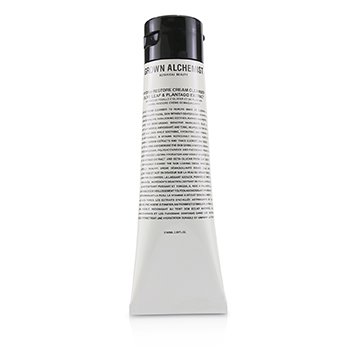

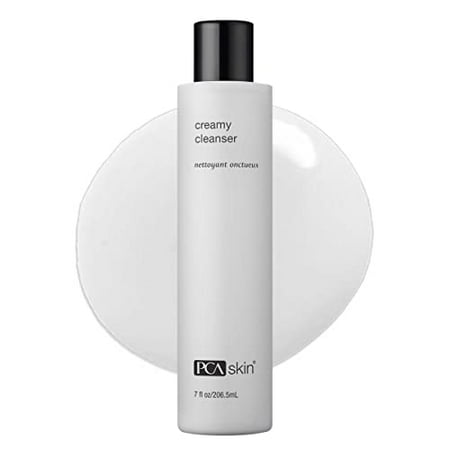
Murad Acne Control Clarifying Cream Cleanser 6.75 oz/ 200 ml
Analysis updated August 2026 · How Scout scores
At a glance
Summary
This cleanser contains several beneficial ingredients such as glycerin, willow bark extract, and hyaluronic acid, which provide hydration and exfoliating benefits. However, the presence of fragrance, which can cause irritation and allergic reactions, slightly lowers its safety profile. Overall, the product has a balanced formulation with both natural and synthetic components, resulting in a moderate processing level.
Key ingredients 47
Argania Spinosa Kernel OilVery Good
Argania Spinosa Kernel Oil, also known as Argan Oil, is a natural oil rich in fatty acids and antioxidants. It helps moisturize and nourish the skin, improving its elasticity and texture. It is suitable for all skin types and provides anti-aging benefits.
Risks
There are minimal risks associated with Argan Oil.
Benefits
It provides deep hydration and improves skin elasticity and texture.
Sodium Cocoyl IsethionateGood
Sodium Cocoyl Isethionate is a mild surfactant derived from coconut oil. It is used to create a rich lather and cleanse the skin without stripping natural oils. It is considered gentle and suitable for sensitive skin.
Risks
In rare cases, it may cause mild irritation if used in high concentrations.
Benefits
It provides effective cleansing while maintaining skin moisture.
Disodium CocoamphodiacetateGood
Disodium Cocoamphodiacetate is a mild surfactant and foam booster derived from coconut oil. It is used to enhance the cleansing properties of the product. It is gentle on the skin and suitable for sensitive skin types.
Risks
It may cause mild irritation in very sensitive individuals.
Benefits
It enhances the cleansing ability of the product without causing dryness.
GlycerinGood
Glycerin is a humectant that attracts moisture to the skin, helping to keep it hydrated. It is widely used in skincare products for its moisturizing properties. It is suitable for all skin types and helps improve skin barrier function.
Risks
There are no significant risks associated with glycerin.
Benefits
It provides excellent hydration and helps maintain skin moisture levels.
Saccharide IsomerateGood
Saccharide Isomerate is a plant-derived moisturizer that binds to the skin and provides long-lasting hydration. It helps improve skin smoothness and reduces dryness. It is suitable for all skin types.
Risks
There are minimal risks associated with Saccharide Isomerate.
Benefits
It offers long-lasting hydration and improves skin texture.
Salix Alba (Willow) Bark ExtractGood
Salix Alba (Willow) Bark Extract is a natural source of salicylic acid, known for its exfoliating and anti-inflammatory properties. It helps unclog pores and reduce acne. It is beneficial for oily and acne-prone skin.
Risks
In some individuals, it may cause mild irritation or dryness.
Benefits
It helps exfoliate the skin and reduce acne breakouts.
Tocopheryl AcetateGood
Tocopheryl Acetate is a form of Vitamin E, known for its antioxidant properties. It helps protect the skin from free radical damage and improves skin texture. It is suitable for all skin types.
Risks
There are minimal risks associated with Tocopheryl Acetate.
Benefits
It provides antioxidant protection and improves skin health.
Sodium PCAGood
Sodium PCA is a natural component of the skin's natural moisturizing factor. It helps attract moisture to the skin and maintain hydration. It is suitable for all skin types and helps improve skin texture.
Risks
There are minimal risks associated with Sodium PCA.
Benefits
It provides excellent hydration and helps maintain skin moisture levels.
BetaineGood
Betaine is a natural amino acid derivative that helps maintain skin hydration. It provides a soothing effect and improves skin texture. It is suitable for all skin types.
Risks
There are minimal risks associated with Betaine.
Benefits
It helps maintain skin hydration and provides a soothing effect.
GlycineGood
Beneficial ingredient — whole-food or functional value in this product class.
Risks
There are minimal risks associated with Glycine.
Benefits
It helps improve skin texture and provides a soothing effect.
Zinc GluconateGood
Zinc Gluconate is a zinc salt used for its anti-inflammatory and antibacterial properties. It helps reduce acne and soothe irritated skin. It is beneficial for oily and acne-prone skin.
Risks
There are minimal risks associated with Zinc Gluconate.
Benefits
It helps reduce acne and soothe irritated skin.
Sesamum Indicum (Sesame) Seed OilGood
Sesamum Indicum (Sesame) Seed Oil is a natural oil rich in fatty acids and antioxidants. It helps moisturize and nourish the skin, improving its texture and elasticity. It is suitable for all skin types and provides anti-aging benefits.
Risks
There are minimal risks associated with Sesame Seed Oil.
Benefits
It provides deep hydration and improves skin texture and elasticity.
Melaleuca Alternifolia (Tea Tree) Leaf OilGood
Melaleuca Alternifolia (Tea Tree) Leaf Oil is known for its antibacterial and anti-inflammatory properties. It helps reduce acne and soothe irritated skin. It is beneficial for oily and acne-prone skin.
Risks
In some individuals, it may cause skin irritation or allergic reactions.
Benefits
It helps reduce acne and soothe irritated skin.
Hyaluronic AcidGood
Hyaluronic Acid is a powerful humectant that attracts and retains moisture in the skin. It helps improve skin hydration and plumpness, reducing the appearance of fine lines and wrinkles. It is suitable for all skin types and provides anti-aging benefits.
Risks
There are no significant risks associated with Hyaluronic Acid.
Benefits
It provides deep hydration and improves skin plumpness and elasticity.
TocopherolGood
Tocopherol, also known as Vitamin E, is an antioxidant that helps protect the skin from free radical damage. It improves skin texture and provides anti-aging benefits. It is suitable for all skin types.
Risks
There are minimal risks associated with Tocopherol.
Benefits
It provides antioxidant protection and improves skin health.
Water (Aqua)Neutral
Water is a common solvent used in cosmetic formulations. It helps dissolve other ingredients and provides a base for the product. It does not have any direct benefits or risks.
Risks
There are no significant risks associated with water in cosmetics.
Benefits
Water helps in dissolving and distributing other ingredients evenly.
Glyceryl StearateNeutral
Standard formulation ingredient — neither beneficial nor harmful at typical use.
Risks
There are minimal risks associated with Glyceryl Stearate.
Benefits
It helps maintain the stability of the product and improves skin texture.
PropanediolNeutral
Propanediol is a glycol used as a solvent and skin-conditioning agent. It helps improve the texture and feel of the product. It is generally considered safe for use in cosmetics.
Risks
In rare cases, it may cause skin irritation or allergic reactions.
Benefits
It enhances the absorption of other ingredients and improves product texture.
Stearic AcidNeutral
Stearic Acid is a fatty acid used as an emulsifier and thickener in cosmetics. It helps stabilize formulations and improve texture. It is generally considered safe for use in skincare products.
Risks
There are minimal risks associated with Stearic Acid.
Benefits
It helps maintain the consistency and stability of the product.
Cetyl AlcoholNeutral
Cetyl Alcohol is a fatty alcohol used as an emollient and thickener. It helps soften and smooth the skin while providing a creamy texture to the product. It is generally well-tolerated by most skin types.
Risks
There are minimal risks associated with Cetyl Alcohol.
Benefits
It improves the texture and feel of the product on the skin.
Cocamidopropyl BetaineNeutral
Cocamidopropyl Betaine is a surfactant derived from coconut oil. It is used to create foam and cleanse the skin. It is considered mild and suitable for sensitive skin.
Risks
In some individuals, it may cause mild irritation or allergic reactions.
Benefits
It provides effective cleansing while being gentle on the skin.
CocoglyceridesNeutral
Cocoglycerides are emollients derived from coconut oil. They help moisturize and soften the skin. They are generally considered safe and non-irritating.
Risks
There are minimal risks associated with Cocoglycerides.
Benefits
They provide moisturizing benefits and improve skin texture.
AlanineNeutral
Alanine is an amino acid used as a skin-conditioning agent. It helps improve skin texture and provides a soothing effect. It is generally considered safe for use in cosmetics.
Risks
There are minimal risks associated with Alanine.
Benefits
It helps improve skin texture and provides a soothing effect.
ProlineNeutral
Proline is an amino acid used as a skin-conditioning agent. It helps improve skin texture and provides a soothing effect. It is generally considered safe for use in cosmetics.
Risks
There are minimal risks associated with Proline.
Benefits
It helps improve skin texture and provides a soothing effect.
SerineNeutral
Serine is an amino acid used as a skin-conditioning agent. It helps improve skin texture and provides a soothing effect. It is generally considered safe for use in cosmetics.
Risks
There are minimal risks associated with Serine.
Benefits
It helps improve skin texture and provides a soothing effect.
ThreonineNeutral
Threonine is an amino acid used as a skin-conditioning agent. It helps improve skin texture and provides a soothing effect. It is generally considered safe for use in cosmetics.
Risks
There are minimal risks associated with Threonine.
Benefits
It helps improve skin texture and provides a soothing effect.
ArginineNeutral
Arginine is an amino acid used as a skin-conditioning agent. It helps improve skin texture and provides a soothing effect. It is generally considered safe for use in cosmetics.
Risks
There are minimal risks associated with Arginine.
Benefits
It helps improve skin texture and provides a soothing effect.
Lysine HClNeutral
Lysine HCl is an amino acid used as a skin-conditioning agent. It helps improve skin texture and provides a soothing effect. It is generally considered safe for use in cosmetics.
Risks
There are minimal risks associated with Lysine HCl.
Benefits
It helps improve skin texture and provides a soothing effect.
Glutamic AcidNeutral
Glutamic Acid is an amino acid used as a skin-conditioning agent. It helps improve skin texture and provides a soothing effect. It is generally considered safe for use in cosmetics.
Risks
There are minimal risks associated with Glutamic Acid.
Benefits
It helps improve skin texture and provides a soothing effect.
Serenoa Serrulata Fruit ExtractNeutral
Serenoa Serrulata Fruit Extract is derived from the saw palmetto plant and is used for its potential anti-inflammatory properties. It may help reduce skin irritation and balance oil production. It is generally considered safe for use in cosmetics.
Risks
There are minimal risks associated with Serenoa Serrulata Fruit Extract.
Benefits
It may help reduce skin irritation and balance oil production.
Beta-SitosterolNeutral
Beta-Sitosterol is a plant-derived compound used for its potential anti-inflammatory properties. It may help soothe irritated skin and improve skin barrier function. It is generally considered safe for use in cosmetics.
Risks
There are minimal risks associated with Beta-Sitosterol.
Benefits
It may help soothe irritated skin and improve skin barrier function.
Sodium LactateNeutral
Sodium Lactate is a natural component of the skin's natural moisturizing factor. It helps attract moisture to the skin and maintain hydration. It is generally considered safe for use in cosmetics.
Risks
There are minimal risks associated with Sodium Lactate.
Benefits
It helps maintain skin hydration and improve skin texture.
PCANeutral
PCA is a natural component of the skin's natural moisturizing factor. It helps attract moisture to the skin and maintain hydration. It is generally considered safe for use in cosmetics.
Risks
There are minimal risks associated with PCA.
Benefits
It helps maintain skin hydration and improve skin texture.
MentholNeutral
Menthol is used for its cooling and soothing properties. It provides a refreshing sensation on the skin and may help reduce irritation. It is generally considered safe for use in cosmetics.
Risks
In some individuals, it may cause skin irritation or allergic reactions.
Benefits
It provides a cooling and soothing effect on the skin.
EthylhexylglycerinNeutral
Ethylhexylglycerin is used as a preservative and skin-conditioning agent. It helps improve the texture and feel of the product. It is generally considered safe for use in cosmetics.
Risks
There are minimal risks associated with Ethylhexylglycerin.
Benefits
It helps improve product texture and provides mild preservative effects.
Hydrolyzed Corn Starch OctenylsuccinateNeutral
Hydrolyzed Corn Starch Octenylsuccinate is used as a thickening and stabilizing agent. It helps improve the texture and consistency of the product. It is generally considered safe for use in cosmetics.
Risks
There are minimal risks associated with Hydrolyzed Corn Starch Octenylsuccinate.
Benefits
It helps improve product texture and stability.
1,2-HexanediolNeutral
1,2-Hexanediol is used as a solvent and preservative in cosmetics. It helps improve the texture and feel of the product. It is generally considered safe for use in cosmetics.
Risks
There are minimal risks associated with 1,2-Hexanediol.
Benefits
It helps improve product texture and provides mild preservative effects.
Xanthan GumNeutral
Xanthan Gum is used as a thickening and stabilizing agent in cosmetics. It helps improve the texture and consistency of the product. It is generally considered safe for use in cosmetics.
Risks
There are minimal risks associated with Xanthan Gum.
Benefits
It helps improve product texture and stability.
Cocamidopropyl DimethylamineNeutral
Cocamidopropyl Dimethylamine is used as a conditioning agent in cosmetics. It helps improve the texture and feel of the product. It is generally considered safe for use in cosmetics.
Risks
There are minimal risks associated with Cocamidopropyl Dimethylamine.
Benefits
It helps improve product texture and provides conditioning effects.
Polyacrylate Crosspolymer-6Neutral
Polyacrylate Crosspolymer-6 is used as a thickening and stabilizing agent in cosmetics. It helps improve the texture and consistency of the product. It is generally considered safe for use in cosmetics.
Risks
There are minimal risks associated with Polyacrylate Crosspolymer-6.
Benefits
It helps improve product texture and stability.
Myristic AcidNeutral
Myristic Acid is a fatty acid used as an emulsifier and thickener in cosmetics. It helps stabilize formulations and improve texture. It is generally considered safe for use in skincare products.
Risks
There are minimal risks associated with Myristic Acid.
Benefits
It helps maintain the consistency and stability of the product.
Sodium CitrateNeutral
Sodium Citrate is used as a buffering agent in cosmetics. It helps maintain the pH balance of the product. It is generally considered safe for use in cosmetics.
Risks
There are minimal risks associated with Sodium Citrate.
Benefits
It helps maintain the pH balance of the product.
Citric AcidNeutral
Citric Acid is used as a pH adjuster and exfoliant in cosmetics. It helps maintain the pH balance of the product and provides mild exfoliation. It is generally considered safe for use in cosmetics.
Risks
In some individuals, it may cause mild irritation or allergic reactions.
Benefits
It helps maintain the pH balance of the product and provides mild exfoliation.
Sodium HydroxideNeutral
Sodium Hydroxide is used as a pH adjuster in cosmetics. It helps maintain the pH balance of the product. It is generally considered safe for use in cosmetics when used in low concentrations.
Risks
In high concentrations, it can be irritating to the skin.
Benefits
It helps maintain the pH balance of the product.
ChlorphenesinNeutral
Chlorphenesin is used as a preservative in cosmetics. It helps prevent the growth of bacteria and mold in the product. It is generally considered safe for use in cosmetics.
Risks
In some individuals, it may cause mild irritation or allergic reactions.
Benefits
It helps preserve the product and extend its shelf life.
Sodium BenzoateBad
Synthetic preservative that can form benzene in the presence of vitamin C.
Risks
In some individuals, it may cause mild irritation or allergic reactions.
Benefits
It helps preserve the product and extend its shelf life.
Fragrance (Parfum)Very Bad
Fragrance is used to add scent to cosmetic products. It can cause skin irritation and allergic reactions in sensitive individuals. It is often criticized for its lack of transparency regarding specific chemical components.
Risks
It may cause skin irritation or allergic reactions, especially in sensitive individuals.
Benefits
It provides a pleasant scent to the product.
Get the full breakdown in the Scout appTake Scout shopping
Scan any product to see lab results, healthy alternatives, and your personalized analysis.
Download on theApp Store GET IT ONGoogle PlayAmazon pricing & content
Amazon price as of . Product prices and availability are accurate as of the date/time indicated and are subject to change. Any price and availability information displayed on Amazon.com at the time of purchase will apply to the purchase of this product.
CERTAIN CONTENT THAT APPEARS ON THIS SITE COMES FROM AMAZON. THIS CONTENT IS PROVIDED “AS IS” AND IS SUBJECT TO CHANGE OR REMOVAL AT ANY TIME.