
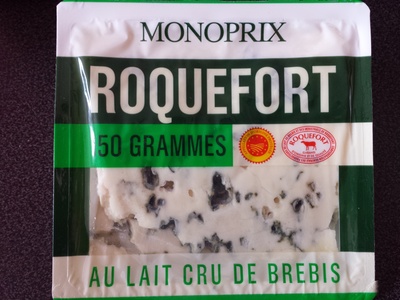


Roquefort AOP au lait cru de brebis (31 % MG)
Analysis updated August 2026 · How Scout scores
At a glance
Summary
This Roquefort cheese is made from raw sheep's milk, which is a high-quality ingredient providing protein and healthy fats. The ingredient list is clean and traditional, including only raw milk, salt, cultures, animal rennet, and Penicillium roqueforti, which are typical for this type of cheese. Despite being processed, the absence of harmful additives and the use of raw milk contribute to a high score within its category.
Key ingredients 5
Raw sheep's milkGood
Raw sheep's milk is a high-quality source of protein and healthy fats. It is less processed than pasteurized milk, retaining more natural enzymes and nutrients. The milk is sourced from sheep, which can be beneficial for those with cow's milk sensitivities.
Risks
Raw milk can pose a risk of bacterial contamination if not handled properly.
Benefits
Rich in protein and essential fatty acids, supporting muscle health and providing energy. Contains beneficial enzymes and nutrients that are often reduced in pasteurized milk.
SaltNeutral
Salt is used as a preservative and flavor enhancer in cheese. It is a common ingredient in cheese production, providing necessary sodium content. The type of salt used is not specified, which affects its mineral content.
Risks
Excessive consumption of salt can lead to high blood pressure and cardiovascular issues.
Benefits
Provides essential sodium needed for various bodily functions, including nerve and muscle function.
Lactic fermentsNeutral
Lactic ferments are used in cheese production to aid in fermentation and flavor development. They are essential for the cheese-making process, contributing to texture and taste. The specific strains used can vary, affecting the final product's characteristics.
Benefits
Contributes to the development of flavor and texture in cheese, enhancing its sensory qualities.
Animal rennetNeutral
Animal rennet is an enzyme used to coagulate milk in cheese production. It is a traditional ingredient in many cheeses, providing a specific texture and flavor profile. The use of animal rennet may not be suitable for vegetarians.
Risks
May not be suitable for vegetarians due to its animal origin.
Benefits
Essential for the coagulation process in cheese-making, contributing to the texture and firmness of the cheese.
Penicillium roquefortiNeutral
Penicillium roqueforti is a mold used in the production of blue cheeses like Roquefort. It is responsible for the characteristic blue veins and distinct flavor. The mold is safe for consumption and is a traditional component of blue cheese.
Benefits
Contributes to the unique flavor and appearance of blue cheese, enhancing its culinary appeal.
Processing
Processed Foods
Get the full breakdown in the Scout appTake Scout shopping
Scan any product to see lab results, healthy alternatives, and your personalized analysis.
Download on theApp Store GET IT ONGoogle Play