

At a glance
Summary
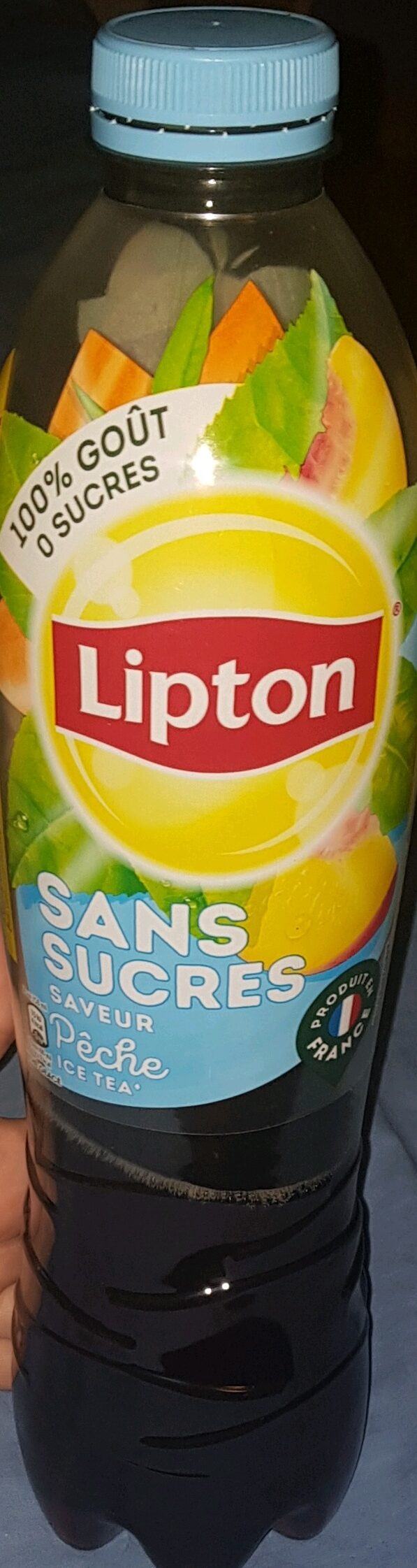
This beverage is heavily processed, containing artificial sweeteners like acesulfame K and sucralose, which are linked to potential health concerns. Despite having low calories and being free from added sugars, the presence of multiple additives and flavorings contributes to its high processing level, limiting its healthfulness.
Key ingredients 10
Black Tea ExtractGood
Black tea extract is a beneficial ingredient known for its antioxidant properties. It contains polyphenols that may support heart health and reduce inflammation. The Rainforest Alliance certification indicates sustainable sourcing practices.
Risks
Excessive consumption of black tea may lead to caffeine-related side effects such as insomnia or increased heart rate.
Benefits
Rich in antioxidants, which can help protect cells from damage and support overall health.
Ascorbic AcidGood
Vitamin C — beneficial even when serving as a preservative.
Benefits
Acts as an antioxidant, helping to preserve the product and potentially providing minor health benefits.
WaterNeutral
Water is a neutral ingredient that serves as the base for the beverage. It is essential for hydration but does not provide additional nutritional benefits. The quality of water can vary, but no specific concerns are noted here.
See more about Water →Citric AcidNeutral
Citric acid is used as an acidulant to enhance flavor and preserve the product. It is naturally found in citrus fruits and is generally recognized as safe. However, it is synthetically produced for commercial use.
Risks
In large amounts, citric acid may cause dental erosion or stomach upset.
Malic AcidNeutral
Malic acid is an acidulant that enhances flavor and provides tartness. It is naturally present in fruits like apples and is commonly used in food products. The synthetic form is used in processed foods.
Risks
High consumption may lead to digestive discomfort.
Peach Juice From ConcentrateNeutral
Peach juice from concentrate provides flavor but is present in minimal amounts. It is processed to remove water and then reconstituted, which may reduce some nutritional value. The low concentration limits its impact on the overall product.
Benefits
Provides natural peach flavor, though minimal nutritional benefits due to low concentration.
Trisodium CitrateNeutral
Trisodium citrate is used as a buffering agent to maintain acidity levels. It is a salt of citric acid and is generally recognized as safe. It helps stabilize the product but does not contribute to nutritional value.
See more about Trisodium Citrate →FlavoringsBad
Flavorings are often artificial or natural compounds used to enhance taste. They can be highly processed and may contain undisclosed chemicals. The lack of transparency in labeling can be concerning for consumers.
Risks
Potential for allergic reactions or sensitivities due to undisclosed ingredients.
Acesulfame KBad
Acesulfame K is an artificial sweetener used to provide sweetness without calories. It is highly processed and has been controversial due to potential health concerns. Some studies suggest it may affect gut microbiota.
Risks
May contribute to metabolic disorders and has been linked to potential carcinogenic effects in animal studies.
Benefits
Provides sweetness without adding calories, which can be beneficial for weight management.
SucraloseBad
Sucralose is an artificial sweetener that is much sweeter than sugar and used to reduce calorie content. It is chemically altered to be non-caloric but has been linked to potential health concerns. Some research suggests it may affect insulin response.
Risks
Potential to alter gut microbiota and may have negative effects on glucose metabolism.
Benefits
Provides sweetness without calories, aiding in calorie reduction for weight management.
Processing
Ultra-Processed Foods
Get the full breakdown in the Scout appTake Scout shopping
Scan any product to see lab results, healthy alternatives, and your personalized analysis.
Download on theApp Store GET IT ONGoogle Play