


2 CAUDALIE Vinopure Purifying Gel Cleanser Travel Size 1oz/30ml Each 2 oz TOTAL
Analysis updated August 2026 · How Scout scores
At a glance
Summary
This cleanser contains beneficial ingredients like grape seed oil, glycerin, and salicylic acid, which are known for their skin-nourishing and exfoliating properties. However, the presence of sodium laureth sulfate, a surfactant that can cause skin irritation and has contamination risks, along with benzalkonium chloride, a potential irritant, lowers its overall safety profile. The product's formulation includes a mix of natural and synthetic components, resulting in a moderate processing level.
Key ingredients 37
VITIS VINIFERA (GRAPE) SEED OILVery Good
Grape seed oil is rich in antioxidants and essential fatty acids, which help nourish and protect the skin. It is known for its anti-inflammatory and antimicrobial properties. It is beneficial for maintaining skin elasticity and moisture.
Risks
Rarely, it may cause allergic reactions in sensitive individuals.
Benefits
Helps in moisturizing the skin and providing antioxidant protection.
CASTOR OILVery Good
Castor oil is a natural emollient that helps moisturize and soften the skin. It has anti-inflammatory and antimicrobial properties. It is beneficial for dry and sensitive skin.
Risks
May cause allergic reactions in some individuals.
Benefits
Moisturizes and softens the skin while providing antimicrobial benefits.
CENTELLA ASIATICA EXTRACTVery Good
Centella Asiatica is a plant extract known for its wound healing and anti-inflammatory properties. It helps improve skin hydration and elasticity. It is beneficial for sensitive and acne-prone skin.
Risks
Generally safe, but may cause irritation in rare cases.
Benefits
Promotes wound healing and improves skin hydration.
BETAINESODIUM HYALURONATEVery Good
Sodium hyaluronate is a form of hyaluronic acid that helps retain moisture in the skin. It is known for its ability to improve skin hydration and plumpness. It is suitable for all skin types.
Benefits
Enhances skin hydration and plumpness.
PANTHENOLVery Good
Panthenol is a form of vitamin B5 that helps moisturize and soothe the skin. It is known for its ability to improve skin barrier function and reduce irritation. It is beneficial for dry and sensitive skin.
Risks
Generally considered safe with no significant risks.
Benefits
Moisturizes and soothes the skin while improving barrier function.
BORAGO OFFICINALIS SEED OILVery Good
Borage seed oil is rich in gamma-linolenic acid (GLA), which helps improve skin barrier function and reduce inflammation. It is beneficial for dry and sensitive skin. It is known for its moisturizing and soothing properties.
Risks
Generally considered safe with no significant risks.
Benefits
Improves skin barrier function and provides anti-inflammatory benefits.
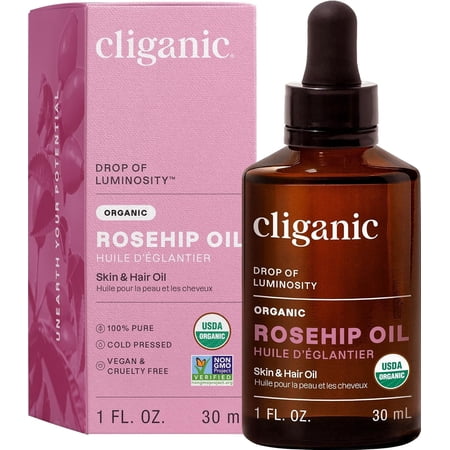
ROSA CANINA FRUIT OILVery Good
Rosehip oil is rich in essential fatty acids and antioxidants, which help nourish and protect the skin. It is known for its ability to improve skin texture and reduce the appearance of scars. It is beneficial for all skin types.
Risks
May cause allergic reactions in rare cases.
Benefits
Nourishes and protects the skin while improving texture.
TOCOPHEROLVery Good
Tocopherol, or vitamin E, is an antioxidant that helps protect the skin from free radical damage. It is known for its moisturizing and anti-inflammatory properties. It is beneficial for maintaining skin health and preventing premature aging.
Risks
Generally considered safe with no significant risks.
Benefits
Protects the skin from free radical damage and provides moisturizing benefits.
TRITICUM VULGARE GERM OILVery Good
Wheat germ oil is rich in vitamins and essential fatty acids, which help nourish and protect the skin. It is known for its moisturizing and antioxidant properties. It is beneficial for dry and mature skin.
Risks
May cause allergic reactions in individuals with wheat allergies.
Benefits
Nourishes and protects the skin while providing antioxidant benefits.
HELIANTHUS ANNUUS SEED OILVery Good
Sunflower seed oil is rich in vitamins and essential fatty acids, which help nourish and protect the skin. It is known for its moisturizing and anti-inflammatory properties. It is suitable for all skin types.
Risks
Generally considered safe with no significant risks.
Benefits
Nourishes and protects the skin while providing moisturizing benefits.
PRUNUS ARMENIACA KERNEL OILVery Good
Apricot kernel oil is rich in vitamins and essential fatty acids, which help nourish and protect the skin. It is known for its moisturizing and anti-inflammatory properties. It is suitable for all skin types.
Risks
Generally considered safe with no significant risks.
Benefits
Nourishes and protects the skin while providing moisturizing benefits.
AVENA SATIVA KERNEL OILVery Good
Oat kernel oil is rich in lipids and antioxidants, which help nourish and protect the skin. It is known for its soothing and anti-inflammatory properties. It is beneficial for sensitive and irritated skin.
Risks
Generally considered safe with no significant risks.
Benefits
Soothes and protects the skin while providing anti-inflammatory benefits.
HELIANTHUS ANNUUS HYBRID OILVery Good
Sunflower hybrid oil is rich in vitamins and essential fatty acids, which help nourish and protect the skin. It is known for its moisturizing and anti-inflammatory properties. It is suitable for all skin types.
Risks
Generally considered safe with no significant risks.
Benefits
Nourishes and protects the skin while providing moisturizing benefits.
GLYCERINGood
Glycerin is a humectant that attracts moisture to the skin, helping to keep it hydrated. It is widely used in skincare for its ability to improve skin barrier function. It is non-irritating and suitable for all skin types.
Risks
Generally considered safe with no significant risks.
Benefits
Enhances skin hydration and barrier function.
SALICYLIC ACIDGood
Salicylic acid is a beta hydroxy acid (BHA) that helps exfoliate the skin and clear pores. It is effective in treating acne and reducing inflammation. It can improve skin texture and clarity.
Risks
May cause irritation or dryness, especially in sensitive skin.
Benefits
Effective in treating acne and improving skin texture.
GRAPE WATERGood
Grape water is known for its soothing and hydrating properties. It contains minerals and antioxidants that help calm and refresh the skin. It is suitable for sensitive skin types.
Benefits
Provides hydration and soothes the skin.
ROSE WATERGood
Rose water is known for its soothing and anti-inflammatory properties. It helps balance the skin's pH and provides a refreshing effect. It is suitable for all skin types, including sensitive skin.
Risks
Rarely, it may cause irritation in very sensitive skin.
Benefits
Soothes and refreshes the skin while balancing pH.
SODIUM COCOYL GLUTAMATEGood
Sodium cocoyl glutamate is a mild surfactant derived from coconut oil and glutamic acid. It is used for its gentle cleansing properties. It is suitable for sensitive skin and does not strip natural oils.
Risks
Generally considered safe with no significant risks.
Benefits
Provides gentle cleansing without stripping natural oils.
LAURYL GLUCOSIDEGood
Lauryl glucoside is a mild surfactant derived from glucose and coconut oil. It is used for its gentle cleansing properties and is suitable for sensitive skin. It helps improve the texture and lather of formulations.
Risks
Generally considered safe with no significant risks.
Benefits
Provides gentle cleansing suitable for sensitive skin.
CAPRYLIC/CAPRIC TRIGLYCERIDEGood
Caprylic/capric triglyceride is an emollient derived from coconut oil and glycerin. It helps moisturize and soften the skin. It is known for its lightweight texture and non-greasy feel.
Risks
Generally considered safe with no significant risks.
Benefits
Moisturizes and softens the skin with a lightweight texture.
AQUA/WATER/EAUNeutral
Water is a universal solvent and is used as a base in many cosmetic formulations. It helps dissolve other ingredients and provides a medium for them to interact. It does not have any direct benefits or risks.
Risks
No known risks associated with water in cosmetic formulations.
Benefits
Provides a medium for other ingredients to be delivered effectively.
XANTHAN GUMNeutral
Xanthan gum is used as a thickening agent in cosmetic formulations. It helps stabilize emulsions and improve texture. It does not have direct benefits or risks for the skin.
Risks
No known risks associated with xanthan gum in cosmetics.
Benefits
Improves texture and stability of formulations.
SODIUM HYDROLYZED POTATO STARCHNeutral
Sodium hydrolyzed potato starch is used as a thickening and stabilizing agent in cosmetics. It helps improve the texture and consistency of formulations. It does not have direct benefits or risks for the skin.
Risks
No known risks associated with this ingredient in cosmetics.
Benefits
Improves texture and consistency of formulations.
DODECENYLSUCCINATENeutral
Dodecenylsuccinate is used as an emulsifier and surfactant in cosmetic formulations. It helps blend ingredients and improve product texture. It does not have direct benefits or risks for the skin.
Risks
No known risks associated with this ingredient in cosmetics.
Benefits
Improves emulsification and texture of formulations.
DISODIUM LAURETH SULFOSUCCINATENeutral
Disodium laureth sulfosuccinate is a mild surfactant used for its cleansing properties. It is less irritating than traditional sulfates like SLS. It is suitable for sensitive skin.
Risks
Generally considered safe with no significant risks.
Benefits
Provides gentle cleansing suitable for sensitive skin.
DISODIUM LAURYL SULFOSUCCINATENeutral
Disodium lauryl sulfosuccinate is a mild surfactant used for its cleansing properties. It is less irritating than traditional sulfates like SLS. It is suitable for sensitive skin.
Risks
Generally considered safe with no significant risks.
Benefits
Provides gentle cleansing suitable for sensitive skin.
HYDROXYETHYL ETHYLCELLULOSENeutral
Hydroxyethyl ethylcellulose is used as a thickening and stabilizing agent in cosmetics. It helps improve the texture and consistency of formulations. It does not have direct benefits or risks for the skin.
Risks
No known risks associated with this ingredient in cosmetics.
Benefits
Improves texture and consistency of formulations.
COCAMIDE MIPANeutral
Cocamide MIPA is used as a foaming and thickening agent in cosmetic formulations. It helps improve the texture and lather of products. It does not have direct benefits or risks for the skin.
Risks
No known risks associated with this ingredient in cosmetics.
Benefits
Improves texture and lather of formulations.
COCAMIDOPROPYL BETAINNeutral
Cocamidopropyl betaine is a mild surfactant used for its cleansing and foaming properties. It is derived from coconut oil and is suitable for sensitive skin. It helps improve the texture and lather of formulations.
Risks
May cause irritation in some individuals with sensitive skin.
Benefits
Provides gentle cleansing and improves lather.
COCO-BETAINENeutral
Coco-betaine is a mild surfactant used for its cleansing and foaming properties. It is derived from coconut oil and is suitable for sensitive skin. It helps improve the texture and lather of formulations.
Risks
May cause irritation in some individuals with sensitive skin.
Benefits
Provides gentle cleansing and improves lather.
PPG-5-CETETH-20Neutral
PPG-5-Ceteth-20 is used as an emulsifier and surfactant in cosmetic formulations. It helps blend ingredients and improve product texture. It does not have direct benefits or risks for the skin.
Risks
No known risks associated with this ingredient in cosmetics.
Benefits
Improves emulsification and texture of formulations.
LACTIC ACIDNeutral
Standard formulation ingredient — neither beneficial nor harmful at typical use.
Risks
May cause irritation or sensitivity, especially in high concentrations.
Benefits
Exfoliates and hydrates the skin, improving texture and reducing signs of aging.
LAURYL BETAINENeutral
Lauryl betaine is a mild surfactant used for its cleansing and foaming properties. It is suitable for sensitive skin and helps improve the texture and lather of formulations. It does not have direct benefits or risks for the skin.
Risks
No known risks associated with this ingredient in cosmetics.
Benefits
Provides gentle cleansing and improves lather.
PEG-7 GLYCERYL COCOATENeutral
PEG-7 Glyceryl Cocoate is used as an emollient and surfactant in cosmetic formulations. It helps improve the texture and moisturizing properties of products. It does not have direct benefits or risks for the skin.
Risks
No known risks associated with this ingredient in cosmetics.
Benefits
Improves texture and moisturizing properties of formulations.
PEG-40 HYDROGENATED CASTOR OILNeutral
PEG-40 Hydrogenated Castor Oil is used as an emulsifier and surfactant in cosmetic formulations. It helps blend ingredients and improve product texture. It does not have direct benefits or risks for the skin.
Risks
No known risks associated with this ingredient in cosmetics.
Benefits
Improves emulsification and texture of formulations.
BENZALKONIUM CHLORIDEBad
Benzalkonium chloride is a preservative and antimicrobial agent used in cosmetics. It can cause skin irritation and allergic reactions in some individuals. It is effective in preventing microbial growth in formulations.
Risks
May cause skin irritation and allergic reactions.
Benefits
Prevents microbial growth and extends product shelf life.
SODIUM LAURETH SULFATEBad
Sodium laureth sulfate is a surfactant used for its cleansing properties. It can strip natural oils from the skin and may contain 1,4-dioxane, a potential carcinogen. It is less irritating than sodium lauryl sulfate but still poses risks.
Risks
May cause skin irritation and dryness; potential contamination with 1,4-dioxane.
Benefits
Provides effective cleansing and foaming.
Processing
Processed Foods
Get the full breakdown in the Scout appTake Scout shopping
Scan any product to see lab results, healthy alternatives, and your personalized analysis.
Download on theApp Store GET IT ONGoogle Play