
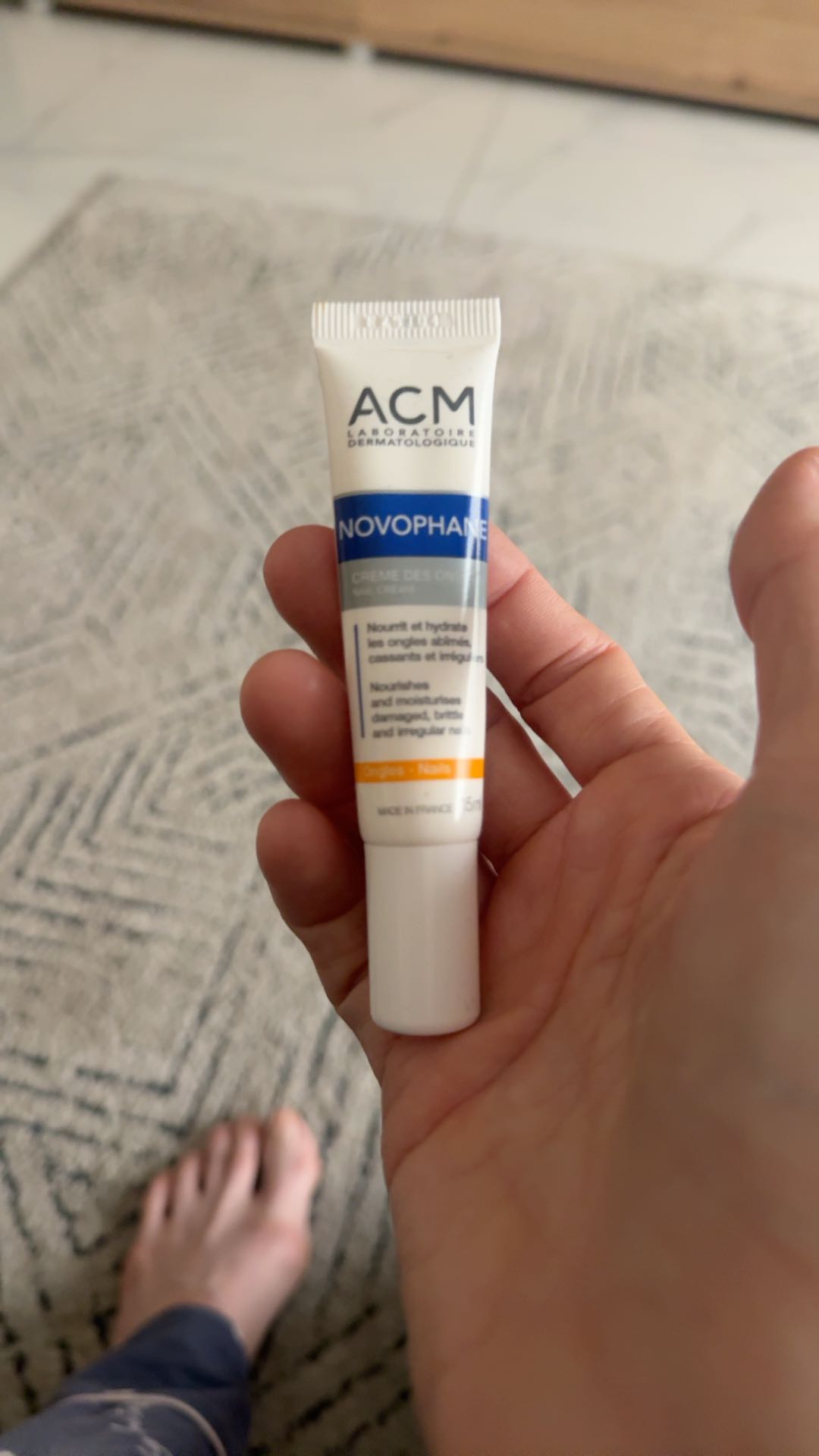
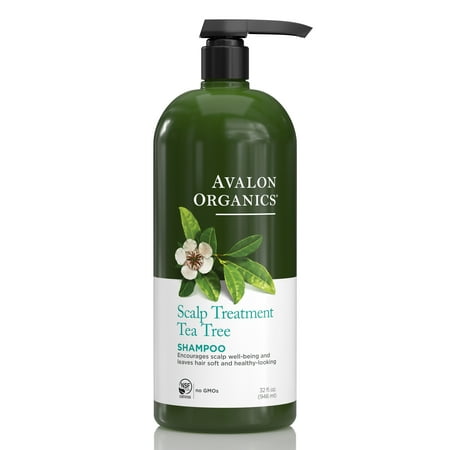


Novophane K 125 Ml Acm Chronic Treatment Anti Dandruff Shampoo
Analysis updated May 2026 · How Scout scores
At a glance
Summary
This anti-dandruff shampoo contains beneficial ingredients like salicylic acid and piroctone olamine, which are effective in treating dandruff and soothing the scalp. However, it also includes potentially harmful substances such as sodium laureth sulfate and cocamide MEA, which can cause irritation and have contamination risks. The product's processing level and the presence of synthetic fragrance further impact its overall rating.
Key ingredients 15
Salicylic AcidGood
Salicylic Acid is a beta hydroxy acid used for its exfoliating properties. It helps to remove dead skin cells and reduce dandruff. It is well-regarded for its ability to penetrate oily skin and unclog pores.
Risks
May cause dryness or irritation if used excessively.
Benefits
Effective in treating dandruff and promoting a healthier scalp.
Piroctone OlamineGood
Piroctone Olamine is an antifungal agent used to treat dandruff. It works by inhibiting the growth of fungi that cause dandruff. It is considered a safer alternative to zinc pyrithione.
Benefits
Helps to reduce dandruff and improve scalp health.
Zinc PyrithioneGood
Zinc Pyrithione is an antimicrobial agent effective against fungi and bacteria. It is commonly used in anti-dandruff shampoos to reduce flaking and itching. Its effectiveness in treating dandruff is well-documented.
Risks
May cause irritation in some individuals with sensitive skin.
Benefits
Highly effective in controlling dandruff and soothing the scalp.
Glycyrrhetinic AcidGood
Glycyrrhetinic Acid is derived from licorice root and is known for its anti-inflammatory properties. It helps to soothe irritated skin and reduce redness. It is beneficial for sensitive scalps prone to irritation.
Benefits
Soothes and calms irritated skin, promoting scalp health.
Cade Essential OilGood
Cade Essential Oil is derived from the wood of the juniper tree and is known for its antiseptic properties. It is used to treat scalp conditions such as dandruff and psoriasis. Its natural origin and therapeutic properties make it beneficial for scalp health.
Risks
May cause irritation in sensitive individuals if used in high concentrations.
Benefits
Provides antiseptic benefits and helps treat scalp conditions.
WaterNeutral
Water is a neutral base used to dissolve other ingredients. It is typically purified to remove contaminants, ensuring safety and effectiveness. In this formulation, it acts as a solvent and carrier for active ingredients.
See more about Water →Cocamidopropyl BetaineNeutral
Cocamidopropyl Betaine is a mild surfactant derived from coconut oil. It is used to reduce the harshness of other surfactants and improve foam quality. It is generally considered safe but can cause allergic reactions in some individuals.
Risks
Potential for allergic reactions in sensitive individuals.
Benefits
Helps to condition the hair and reduce irritation from harsher surfactants.
Glycol DistearateNeutral
Glycol Distearate is used as a pearlizing agent to give shampoos a creamy appearance. It is derived from stearic acid and ethylene glycol. It does not provide significant health benefits or risks.
See more about Glycol Distearate →Citric AcidNeutral
Citric Acid is used to adjust the pH of cosmetic products. It is naturally found in citrus fruits and is generally considered safe. It helps to maintain the stability and effectiveness of the product.
Benefits
Helps to maintain the pH balance of the product.
Dipropylene GlycolNeutral
Dipropylene Glycol is a solvent and viscosity-decreasing agent. It is used to improve the texture and spreadability of products. It is generally considered safe for use in cosmetics.
Benefits
Improves the texture and application of the product.
Sodium LactateNeutral
Sodium Lactate is a humectant used to retain moisture in the skin and hair. It is derived from the natural fermentation of sugars. It is generally considered safe and effective for hydration.
Benefits
Helps to maintain moisture levels in the hair and scalp.
Lactic AcidNeutral
Lactic Acid is an alpha hydroxy acid used for its exfoliating properties. It helps to remove dead skin cells and improve skin texture. It is naturally derived from milk and is generally considered safe.
Risks
May cause irritation if used in high concentrations.
Benefits
Promotes exfoliation and improves skin texture.
Sodium Laureth SulfateBad
Sodium Laureth Sulfate is a surfactant used for its cleansing and foaming properties. It is derived from ethoxylated lauryl alcohol, which can be contaminated with 1,4-dioxane, a potential carcinogen. Its harsh nature can strip natural oils, leading to scalp irritation.
Risks
May cause skin irritation and dryness, especially in sensitive individuals.
Benefits
Effective in removing dirt and oil from the scalp and hair.
Cocamide MEABad
Cocamide MEA is a thickening and foaming agent derived from coconut oil. It can be contaminated with nitrosamines, which are potential carcinogens. Its use is controversial due to these contamination risks.
Risks
Potential contamination with nitrosamines, which are linked to cancer.
Benefits
Improves the texture and foaming properties of shampoos.
ParfumBad
Parfum is a term used for fragrance mixtures that can contain numerous synthetic chemicals. These can cause allergic reactions and sensitivities in some individuals. The exact composition is often undisclosed, leading to transparency concerns.
Risks
May cause allergic reactions and skin sensitivities.
Benefits
Provides a pleasant scent to the product.
Processing
Processed Foods
Get the full breakdown in the Scout appTake Scout shopping
Scan any product to see lab results, healthy alternatives, and your personalized analysis.
Download on theApp Store GET IT ONGoogle PlayAmazon pricing & content
Amazon price as of . Product prices and availability are accurate as of the date/time indicated and are subject to change. Any price and availability information displayed on Amazon.com at the time of purchase will apply to the purchase of this product.
CERTAIN CONTENT THAT APPEARS ON THIS SITE COMES FROM AMAZON. THIS CONTENT IS PROVIDED “AS IS” AND IS SUBJECT TO CHANGE OR REMOVAL AT ANY TIME.