
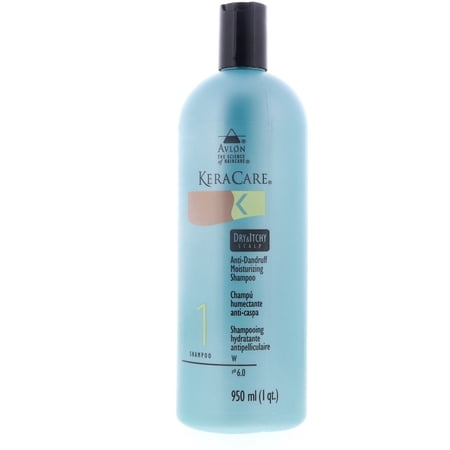

Avlon Keracare Dry & Itchy Scalp Moisturizing Shampoo 32 oz
Analysis updated August 2026 · How Scout scores
At a glance
Summary
This shampoo contains beneficial ingredients like aloe vera and sodium cocoyl isethionate, which are known for their moisturizing and gentle cleansing properties. However, the presence of synthetic fragrance, quaternium-80, and phenoxyethanol raises concerns due to potential irritation and health risks. The product is moderately processed, which impacts its overall rating.
Key ingredients 26
Sodium Cocoyl IsethionateVery Good
Sodium cocoyl isethionate is a gentle surfactant derived from coconut oil. It cleanses the hair without stripping natural oils. It is favored for its mildness and effectiveness in cleansing.
Risks
There are minimal risks associated with this ingredient.
Benefits
Provides gentle cleansing and maintains the natural moisture balance of the scalp.
Aloe Barbadensis Leaf JuiceGood
Aloe vera is known for its soothing and moisturizing properties. It can help to calm irritated skin and provide hydration to the scalp. Its natural origin makes it a beneficial addition to hair care products.
Risks
There are minimal risks associated with aloe vera, though some individuals may experience allergic reactions.
Benefits
Aloe vera provides hydration and soothing effects, which can be beneficial for dry and itchy scalps.
GlycerinGood
Glycerin is a humectant that attracts moisture to the hair and scalp. It helps to maintain hydration and prevent dryness. Its moisturizing properties make it a beneficial ingredient in hair care products.
Risks
There are minimal risks associated with glycerin.
Benefits
Provides moisture and helps to keep the scalp and hair hydrated.
Aqua/Water/EauNeutral
Water is a common solvent used in cosmetic formulations. It acts as a base for the product, helping to dissolve other ingredients. It does not have any direct benefits or risks associated with its use in shampoos.
Risks
There are no known risks associated with water in cosmetic formulations.
Benefits
Water helps to dissolve and distribute other ingredients evenly throughout the product.
Disodium Laureth-3 SulfosuccinateNeutral
This is a mild surfactant used to cleanse the hair and scalp. It is less harsh than traditional sulfates like SLS. It helps to remove dirt and oil without excessive stripping.
Risks
There are minimal risks, though it may cause irritation in sensitive individuals.
Benefits
It provides gentle cleansing, making it suitable for sensitive scalps.
Cocamidopropyl BetaineNeutral
Cocamidopropyl betaine is a surfactant derived from coconut oil. It helps to create foam and improve the cleansing ability of shampoos. It is generally considered mild and non-irritating.
Risks
Some individuals may experience allergic reactions or irritation.
Benefits
It enhances foam and cleansing without being overly harsh on the scalp.
Cocamide MIPANeutral
Cocamide MIPA is used as a foaming agent and thickener in shampoos. It helps to stabilize the formulation and improve texture. It is derived from coconut oil, contributing to its mildness.
Risks
Potential for skin irritation in sensitive individuals.
Benefits
Improves the texture and foaming properties of the shampoo.
Polysorbate 20Neutral
Polysorbate 20 is an emulsifier that helps to mix oil and water-based ingredients. It stabilizes the formulation and ensures even distribution of ingredients. It is generally considered safe for use in cosmetics.
Risks
May cause mild irritation in some individuals.
Benefits
Ensures even distribution of ingredients and stabilizes the product.
Cetyl AlcoholNeutral
Standard formulation ingredient — neither beneficial nor harmful at typical use.
Risks
There are minimal risks associated with cetyl alcohol.
Benefits
Conditions and softens the hair, improving texture and manageability.
MentholNeutral
Menthol provides a cooling sensation and can help soothe the scalp. It is often used for its refreshing properties. However, it does not have significant conditioning or cleansing benefits.
Risks
May cause irritation in sensitive individuals.
Benefits
Provides a cooling and refreshing sensation to the scalp.
Piroctone OlamineNeutral
Piroctone olamine is an antifungal agent used to treat dandruff. It helps to reduce flaking and itching associated with dandruff. It is effective in maintaining scalp health.
Risks
May cause irritation in some individuals.
Benefits
Helps to control dandruff and maintain a healthy scalp.
Pyrus Malus (Apple) Fruit ExtractNeutral
Apple fruit extract is used for its antioxidant properties. It can help to protect the hair and scalp from environmental damage. However, its benefits in hair care are not well-documented.
Risks
There are minimal risks associated with this ingredient.
Benefits
Provides antioxidant protection to the hair and scalp.
Citrus Limon (Lemon) Peel ExtractNeutral
Lemon peel extract is used for its refreshing and astringent properties. It can help to cleanse and invigorate the scalp. However, it may cause irritation in sensitive individuals.
Risks
May cause irritation or photosensitivity in some individuals.
Benefits
Provides a refreshing and invigorating effect on the scalp.
Camellia Sinensis Leaf PowderNeutral
Camellia sinensis, or green tea, is known for its antioxidant properties. It can help to protect the hair and scalp from damage. However, its direct benefits in hair care are limited.
Risks
There are minimal risks associated with this ingredient.
Benefits
Provides antioxidant protection to the hair and scalp.
PropanediolNeutral
Propanediol is used as a solvent and humectant in cosmetics. It helps to improve the texture and moisture retention of the product. It is generally considered safe for use in hair care products.
Risks
There are minimal risks associated with propanediol.
Benefits
Improves texture and moisture retention in the product.
Polyquaternium-10Neutral
Polyquaternium-10 is a conditioning polymer that helps to improve hair manageability. It forms a film on the hair, providing smoothness and reducing static. It is generally considered safe for use in hair care products.
Risks
May cause buildup on the hair with prolonged use.
Benefits
Improves hair manageability and reduces static.
Caprylyl GlycolNeutral
Caprylyl glycol is used as a skin conditioning agent and preservative. It helps to improve the texture and stability of the product. It is generally considered safe for use in cosmetics.
Risks
There are minimal risks associated with caprylyl glycol.
Benefits
Improves product texture and stability.
Tetrasodium EDTANeutral
Tetrasodium EDTA is a chelating agent that helps to stabilize the product. It binds to metal ions, preventing them from affecting the product's stability. It is generally considered safe for use in cosmetics.
Risks
There are minimal risks associated with tetrasodium EDTA.
Benefits
Stabilizes the product and improves shelf life.
Citric AcidNeutral
Citric acid is used to adjust the pH of cosmetic formulations. It helps to maintain the stability and effectiveness of the product. It is generally considered safe for use in hair care products.
Risks
May cause irritation in sensitive individuals.
Benefits
Helps to maintain product stability and effectiveness.
Benzyl SalicylateNeutral
Benzyl salicylate is used as a fragrance ingredient and UV absorber. It helps to protect the product from UV degradation. However, it may cause allergic reactions in some individuals.
Risks
May cause allergic reactions or irritation.
Benefits
Provides fragrance and UV protection to the product.
Hexyl CinnamalNeutral
Hexyl cinnamal is a fragrance ingredient used to impart a floral scent. It is commonly used in cosmetics for its pleasant aroma. However, it may cause allergic reactions in sensitive individuals.
Risks
May cause allergic reactions or irritation.
Benefits
Provides a pleasant floral scent to the product.
Blue 1 (CI 42090)Neutral
Blue 1 is a synthetic dye used to impart color to cosmetic products. It is approved for use in cosmetics by regulatory agencies. However, it may cause allergic reactions in sensitive individuals.
Risks
May cause allergic reactions or irritation.
Benefits
Provides color to the product, enhancing its visual appeal.
Quaternium-80Bad
Quaternium-80 is a conditioning agent that can cause buildup on the hair. It is a quaternary ammonium compound, which may lead to scalp irritation. Its use is controversial due to potential health concerns.
Risks
May cause buildup, irritation, and potential allergic reactions.
Benefits
Provides conditioning and detangling benefits to the hair.
PhenoxyethanolBad
Phenoxyethanol is a preservative that can cause irritation and allergic reactions. It is used to prevent microbial growth in cosmetics. Its safety is debated due to potential health concerns.
Risks
May cause irritation, allergic reactions, and potential long-term health effects.
Benefits
Prevents microbial growth and extends product shelf life.
LinaloolBad
Processed additive flagged under Scout's ingredient doctrine.
Risks
May cause allergic reactions or irritation.
Benefits
Provides a pleasant floral scent to the product.
Fragrance/ParfumVery Bad
Synthetic fragrances can cause irritation and allergic reactions. They often contain undisclosed chemicals that may be harmful. Their use in cosmetics is controversial due to potential health risks.
Risks
May cause irritation, allergic reactions, and potential long-term health effects.
Benefits
Provides a pleasant scent to the product.
Get the full breakdown in the Scout appTake Scout shopping
Scan any product to see lab results, healthy alternatives, and your personalized analysis.
Download on theApp Store GET IT ONGoogle PlayAmazon pricing & content
Amazon price as of . Product prices and availability are accurate as of the date/time indicated and are subject to change. Any price and availability information displayed on Amazon.com at the time of purchase will apply to the purchase of this product.
CERTAIN CONTENT THAT APPEARS ON THIS SITE COMES FROM AMAZON. THIS CONTENT IS PROVIDED “AS IS” AND IS SUBJECT TO CHANGE OR REMOVAL AT ANY TIME.