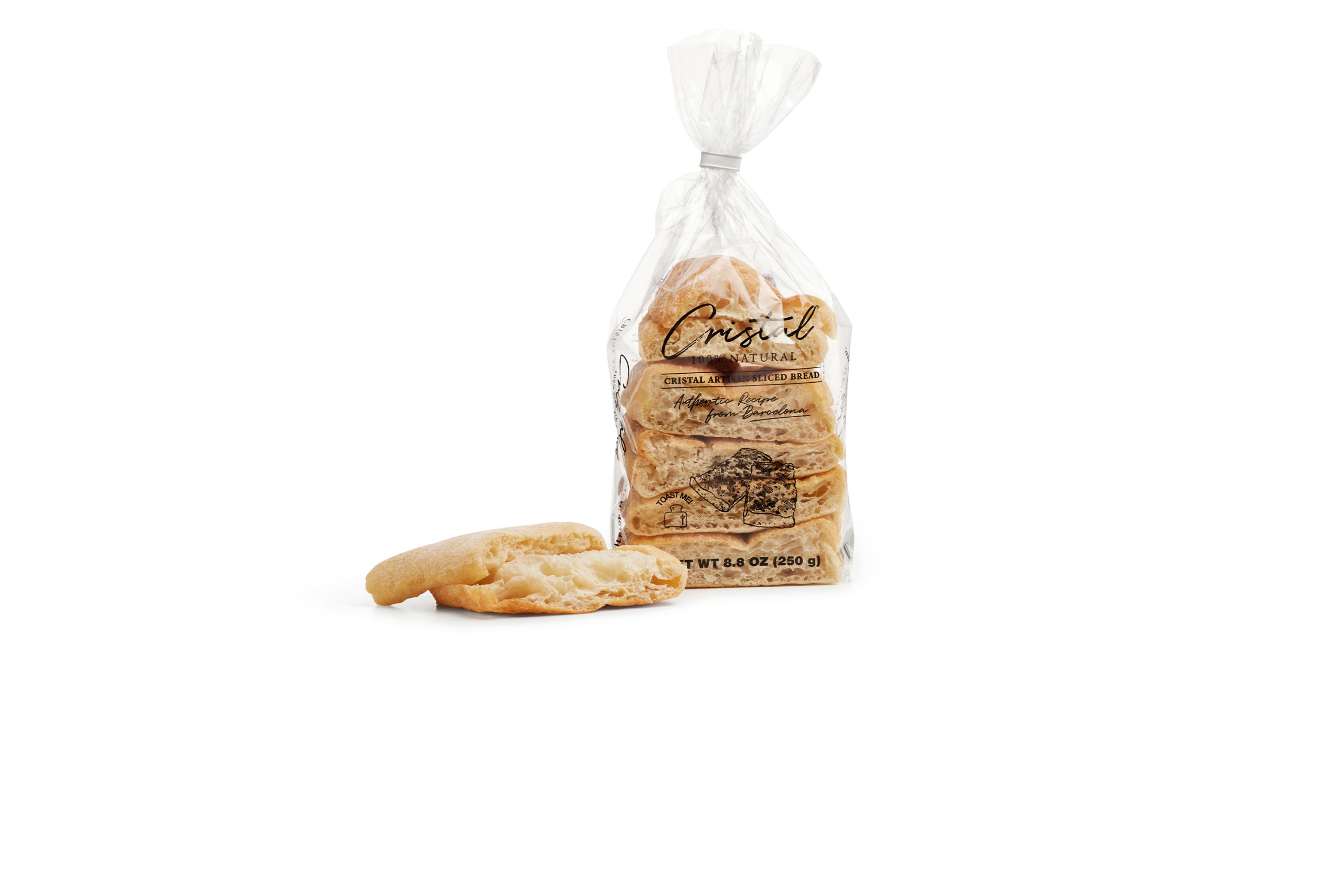
Artisan Bakery Bread: White

Lidl
75 Good
View on Amazon

Summary

This bread is made with enriched wheat flour and contains a few additives like citric acid and cultured wheat starch, which contribute to its processed nature. However, it avoids major harmful ingredients such as seed oils and high-fructose corn syrup, and includes beneficial components like organic white vinegar and sea salt. The processing level limits its score, but the absence of significant red flags allows for a moderate rating.

At a glance

Beneficial ingredients 3
Harmful ingredients 0
Owned by Schwarz Group
Category Bread

Key ingredients 7

Organic White Vinegar
Good

Organic white vinegar is a natural preservative that helps extend the shelf life of bread. It is produced through the fermentation of organic grains, ensuring no synthetic pesticides are used. Its acidity can also enhance the flavor profile of baked goods.

Benefits

Acts as a natural preservative and can enhance flavor without adding calories.

Cultured Wheat Starch
Neutral

Cultured wheat starch is used as a natural preservative and texture enhancer in baked goods. It is derived from wheat and undergoes a fermentation process to develop its preservative properties. While it is a processed ingredient, it is generally considered safe and does not contain artificial additives.

Risks

May pose a risk for individuals with wheat allergies or gluten intolerance.

Benefits

Provides natural preservation and texture enhancement without artificial additives.

Yeast
Good

Yeast is a natural leavening agent that helps bread rise and develop its texture. It is a living organism that ferments sugars, producing carbon dioxide and alcohol, which contribute to the bread's flavor and texture. Yeast is a traditional ingredient in bread-making and is generally well-tolerated.

Benefits

Essential for leavening bread and contributes to flavor and texture development.

See more about Yeast →
Enriched Wheat Flour
Neutral

Enriched wheat flour is refined flour that has been fortified with vitamins and minerals such as iron and B vitamins. While it provides essential nutrients, it lacks the fiber and nutrients found in whole grain flour. It is a common ingredient in many baked goods due to its fine texture and baking properties.

Risks

May contribute to blood sugar spikes due to its refined nature and lack of fiber.

Benefits

Provides essential vitamins and minerals through fortification.

See more about Enriched Wheat Flour →
Enriched Wheat Farina
Neutral

Enriched wheat farina is a refined wheat product that is fortified with nutrients. It is similar to enriched wheat flour but is typically used for its texture and nutritional fortification. While it adds nutritional value, it is still a refined grain product.

Risks

May contribute to blood sugar spikes and lacks the fiber of whole grains.

Benefits

Fortified with essential nutrients, providing some nutritional benefits.

Citric Acid
Neutral

Citric acid is a natural acidulant used to enhance flavor and preserve freshness in food products. It is commonly derived from citrus fruits or through fermentation processes. While it is generally recognized as safe, it is a processed additive.

Risks

Excessive consumption may cause dental erosion or gastrointestinal discomfort.

Benefits

Enhances flavor and acts as a natural preservative.

See more about Citric Acid →
Sea Salt
Good

Sea salt is a minimally processed salt that retains trace minerals, providing a more natural source of sodium. It is harvested through the evaporation of seawater and is often considered a healthier alternative to refined table salt. Its mineral content can enhance the flavor of foods.

Benefits

Provides essential minerals and enhances flavor naturally.

See more about Sea Salt →

Processing

Group 3 · Processed

Processed Foods

Get the full breakdown in the Scout app

Scan any product to see lab results, healthy alternatives, and your personalized analysis.

Download on theApp Store