
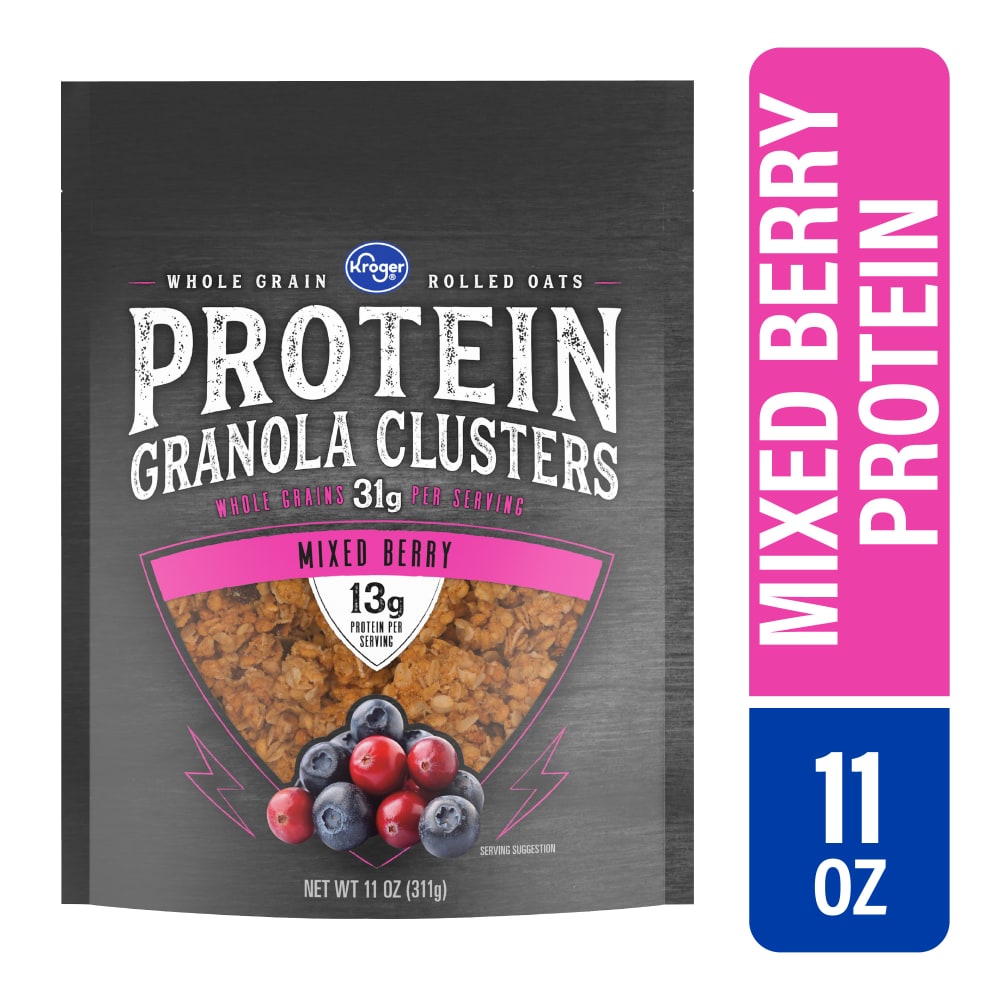
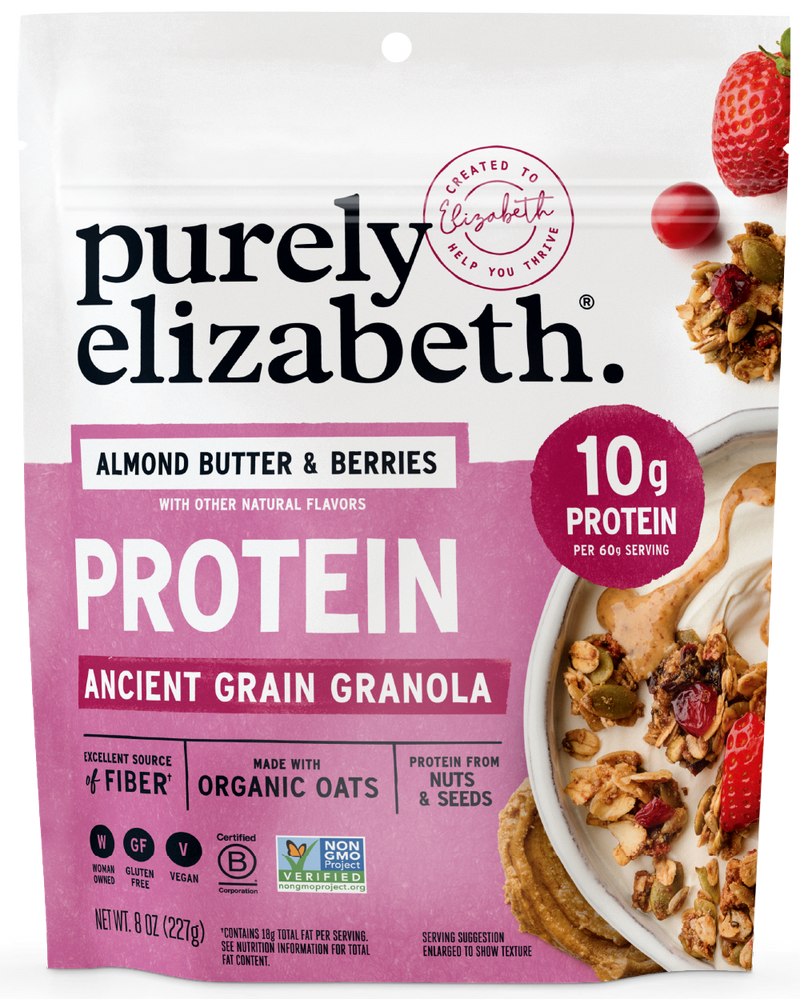

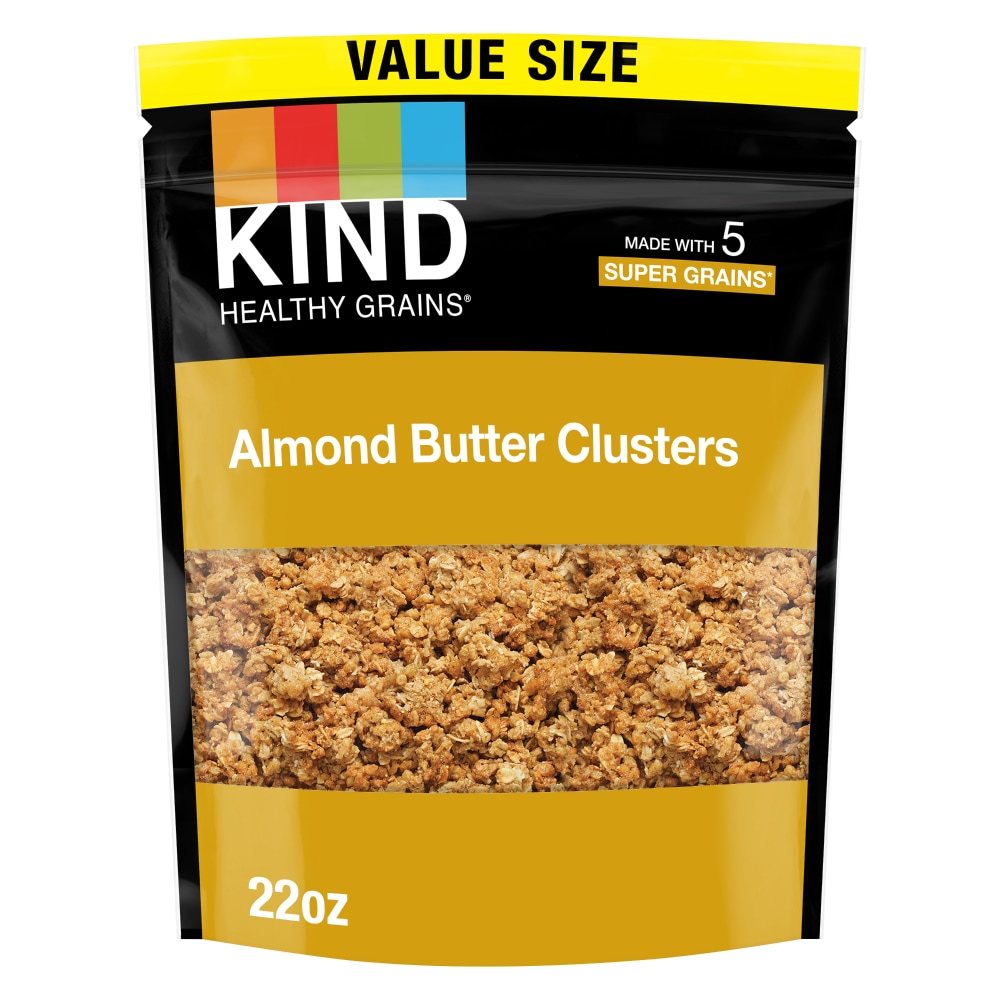
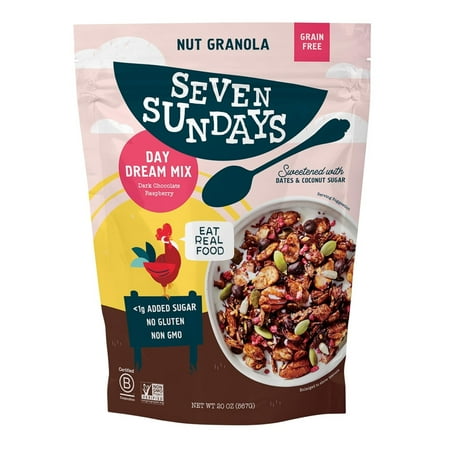
Protein Granola Berry
Summary
This granola is heavily processed, containing ingredients like pea protein isolate and rapeseed oil, which are highly refined and can impact nutrient quality. While it includes beneficial components such as oat flakes and freeze-dried berries, the presence of added sugars and sweetened dried fruits further detracts from its health profile. The overall processing level and use of refined ingredients limit its nutritional value despite some positive elements.
At a glance
Key ingredients 14
Oat FlakesGood
Oat flakes are a whole grain ingredient rich in fiber and essential nutrients. They are minimally processed, retaining most of their natural nutrients. Oats can help lower cholesterol levels and support heart health.
Benefits
Rich in beta-glucan, a type of soluble fiber that can help reduce cholesterol and improve heart health.
SugarBad
Refined sugar is a high-calorie ingredient with no essential nutrients. It is often added to foods to enhance sweetness but can contribute to health issues like obesity and diabetes. Excessive consumption of sugar can lead to metabolic syndrome and other health problems.
Risks
High intake of refined sugar is linked to increased risk of obesity, type 2 diabetes, and heart disease.
Pea Protein IsolateVery Bad
Pea protein isolate is a highly processed plant-based protein used to boost protein content. It lacks the complete amino acid profile found in animal-based proteins. The processing methods can strip away beneficial nutrients and may affect digestibility.
Risks
May cause digestive issues in some individuals and lacks certain essential amino acids.
Benefits
Provides a plant-based protein source for those avoiding animal products.
Rapeseed OilVery Bad
Rapeseed oil, also known as canola oil, is a seed oil high in omega-6 fatty acids. It is often highly processed and refined, which can lead to the formation of trans fats. The high omega-6 content may promote inflammation when consumed in excess.
Risks
High omega-6 content may promote inflammation and is associated with increased risk of chronic diseases.
Oat BranGood
Oat bran is a fiber-rich component of oats that supports digestive health. It is minimally processed and retains essential nutrients like beta-glucan. Oat bran can help improve cholesterol levels and promote satiety.
Benefits
High in soluble fiber, which can aid in lowering cholesterol and improving heart health.
Pumpkin SeedsGood
Pumpkin seeds are a nutrient-dense ingredient rich in healthy fats, protein, and minerals. They are minimally processed and provide essential nutrients like magnesium and zinc. Pumpkin seeds can support heart health and provide antioxidant benefits.
Benefits
Rich in healthy fats, protein, and essential minerals like magnesium and zinc.
Sweetened Dried CranberriesBad
Sweetened dried cranberries contain added sugar, which increases their calorie content and reduces their nutritional value. The drying process concentrates sugars and may lead to excessive sugar intake. While cranberries have antioxidants, the added sugar diminishes their health benefits.
Risks
High sugar content can contribute to weight gain and increased risk of metabolic disorders.
Benefits
Contains antioxidants that may support urinary tract health, but benefits are reduced due to added sugar.
Pea Protein ConcentrateVery Bad
Pea protein concentrate is a processed plant-based protein with a less complete amino acid profile compared to animal proteins. It is often used to increase protein content in plant-based products. The processing can affect nutrient absorption and digestibility.
Risks
May cause digestive discomfort and lacks certain essential amino acids.
Benefits
Provides a source of plant-based protein for those avoiding animal products.
CoconutNeutral
Coconut is a natural ingredient that provides flavor and texture to foods. It contains medium-chain triglycerides (MCTs), which are a type of fat that may offer health benefits. However, it is high in saturated fat, which should be consumed in moderation.
Risks
High in saturated fat, which should be consumed in moderation to avoid cardiovascular risks.
Benefits
Contains MCTs that may support energy metabolism and provide quick energy.
Freeze Dried BerriesGood
Freeze dried berries retain most of their nutrients and antioxidants due to the gentle drying process. They provide natural sweetness and flavor without added sugars. Berries are rich in vitamins and antioxidants that support overall health.
Benefits
Rich in antioxidants and vitamins that support immune function and reduce oxidative stress.
Tapioca StarchNeutral
Tapioca starch is a refined carbohydrate used as a thickening agent. It is gluten-free and provides a smooth texture to foods. However, it is low in nutrients and primarily adds calories without significant health benefits.
Benefits
Provides a gluten-free thickening option for those with gluten sensitivities.
Dried AppleNeutral
Dried apple provides natural sweetness and fiber, but the drying process concentrates sugars. It retains some vitamins and minerals but is less nutrient-dense than fresh apples. Dried apple can add flavor and texture to foods.
Risks
Concentrated sugars may contribute to excessive sugar intake if consumed in large amounts.
Benefits
Provides fiber and some vitamins, adding natural sweetness and flavor.
Sweetened Dried BlueberriesBad
Sweetened dried blueberries contain added sugar, increasing their calorie content and reducing their nutritional value. The drying process concentrates sugars, which can lead to excessive sugar intake. While blueberries have antioxidants, the added sugar diminishes their health benefits.
Risks
High sugar content can contribute to weight gain and increased risk of metabolic disorders.
Benefits
Contains antioxidants that may support heart health, but benefits are reduced due to added sugar.
FlavouringBad
Flavouring is a vague term that can include a variety of artificial or natural additives. It lacks transparency and may contain substances that are not beneficial to health. The use of unspecified flavouring can mask the quality of the product.
Risks
Potential for containing artificial additives that may cause allergic reactions or other health concerns.
Processing
Ultra-Processed Foods
Get the full breakdown in the Scout app
Scan any product to see lab results, healthy alternatives, and your personalized analysis.
Download on theApp Store