


Near you
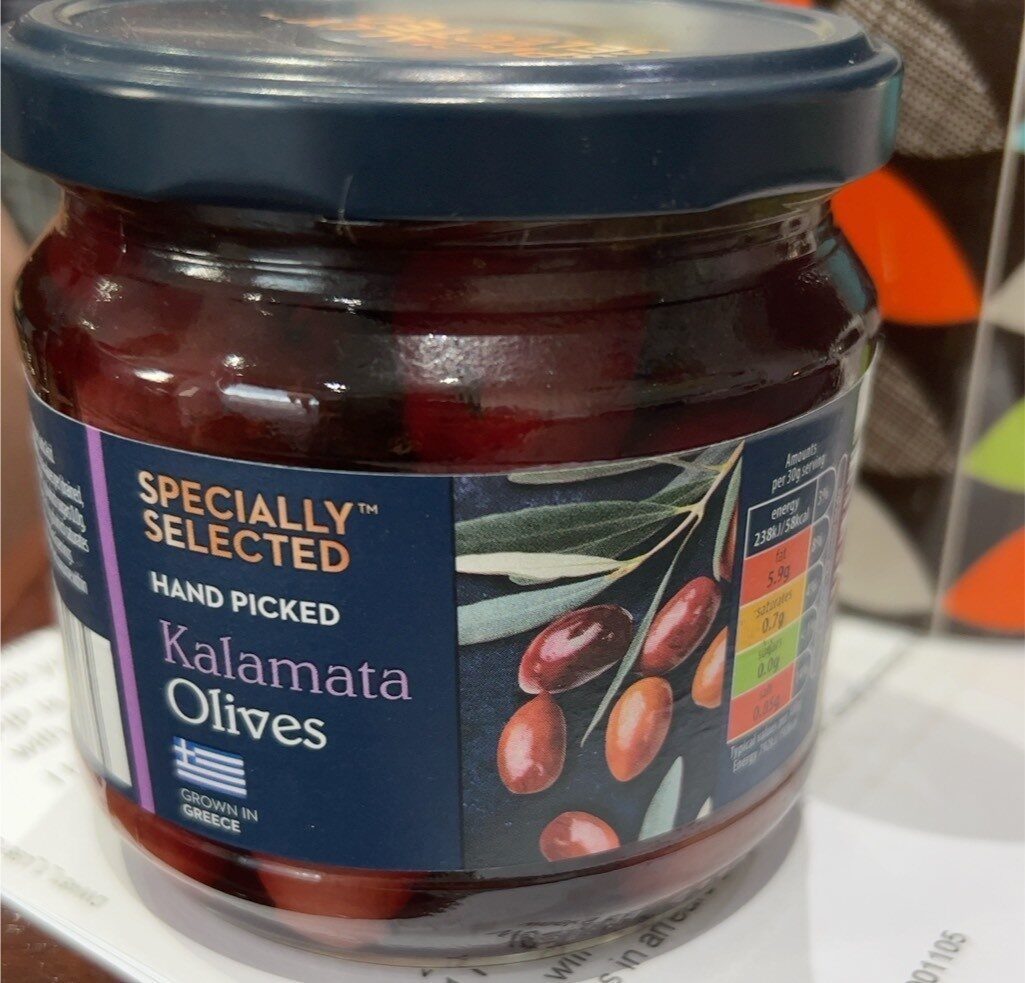
Aldi is carried at Aldi stores. Find one within 25 miles.
At a glance
Summary
Kalamata olives are a source of healthy monounsaturated fats and antioxidants, and the product contains a minimal number of additives. The ingredient list is clean, featuring primarily whole foods with only one additive, lactic acid, which is generally considered safe. Despite being processed, the absence of harmful ingredients like seed oils or artificial additives supports a high score within the processing level cap.
Key ingredients 5
Kalamata OlivesGood
Kalamata olives are a source of healthy monounsaturated fats and antioxidants. They are minimally processed and retain beneficial nutrients. Their natural fermentation process can support gut health.
Risks
High sodium content may be a concern for individuals with hypertension or those on a low-sodium diet.
Benefits
Rich in monounsaturated fats that support heart health and contain antioxidants that may reduce inflammation.
WaterNeutral
Water is used as a solvent and carrier in food products. It is essential for maintaining the texture and moisture of the product. It does not contribute any nutritional value.
See more about Water →SaltNeutral
Salt is used for flavor enhancement and preservation. It is a common ingredient in processed foods. Excessive consumption can lead to health issues such as hypertension.
Risks
High sodium intake can increase the risk of hypertension and cardiovascular diseases.
Benefits
Provides essential sodium needed for various bodily functions.
Red Wine VinegarNeutral
Red wine vinegar is used for flavoring and preservation. It is made through the fermentation of red wine, which may retain some antioxidants. It is generally considered safe in moderate amounts.
Risks
Excessive consumption may lead to acid reflux or digestive discomfort.
Benefits
May contain antioxidants from the red wine used in its production.
Lactic AcidNeutral
Lactic acid is used as a preservative and acidity regulator. It is naturally occurring and generally recognized as safe. It can also act as a mild antimicrobial agent.
Benefits
Helps preserve the product and maintain its acidity, potentially extending shelf life.
Processing
Processed Foods
Get the full breakdown in the Scout appTake Scout shopping
Scan any product to see lab results, healthy alternatives, and your personalized analysis.
Download on theApp Store GET IT ONGoogle Play