
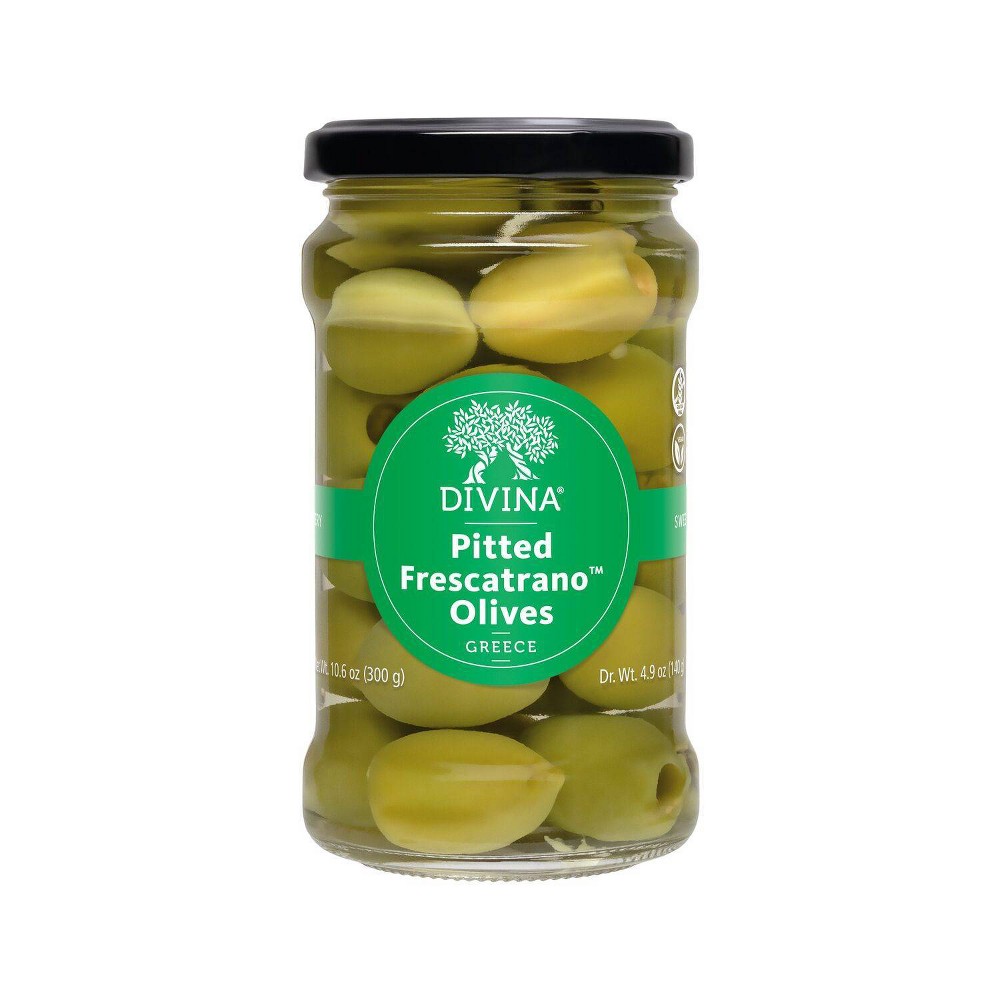


Divina Pitted Frescatrano Olives - 4.9oz: Gluten-Free, Mixed Olives
Analysis updated August 2026 · How Scout scores
At a glance
Summary
This product contains olives, which are a natural source of healthy monounsaturated fats and antioxidants, contributing to heart health and reduced inflammation. The ingredient list is clean, with minimal additives such as sea salt, ascorbic acid, and lactic acid, which are used for preservation and flavor enhancement. Despite being processed, the absence of harmful ingredients like seed oils or artificial additives supports a higher score within its category.
Key ingredients 5
OlivesGood
Olives are a natural source of healthy monounsaturated fats and antioxidants. They are minimally processed and retain beneficial nutrients. The presence of polyphenols supports heart health and reduces inflammation.
Benefits
Rich in monounsaturated fats and antioxidants, which support heart health and provide anti-inflammatory properties.
Sea saltGood
Sea salt is a natural source of sodium and trace minerals. It is less processed than regular table salt and retains beneficial minerals. It enhances flavor without the need for artificial additives.
Risks
Excessive consumption of sodium can lead to high blood pressure and cardiovascular issues.
Benefits
Provides essential sodium and trace minerals, enhancing flavor naturally.
Ascorbic acidGood
Vitamin C — beneficial even when serving as a preservative.
Benefits
Helps preserve the product by preventing oxidation, maintaining freshness.
WaterNeutral
Water is used as a solvent and carrier in food products. It is essential for maintaining the texture and moisture of the product. It does not contribute any nutritional value or health risks.
See more about Water →Lactic acidNeutral
Lactic acid is used as an acidity regulator in food products. It is naturally occurring and helps maintain the desired pH level. It does not provide significant nutritional benefits or risks.
Benefits
Helps maintain product stability by regulating acidity.
Processing
Processed Foods
Get the full breakdown in the Scout appTake Scout shopping
Scan any product to see lab results, healthy alternatives, and your personalized analysis.
Download on theApp Store GET IT ONGoogle Play