
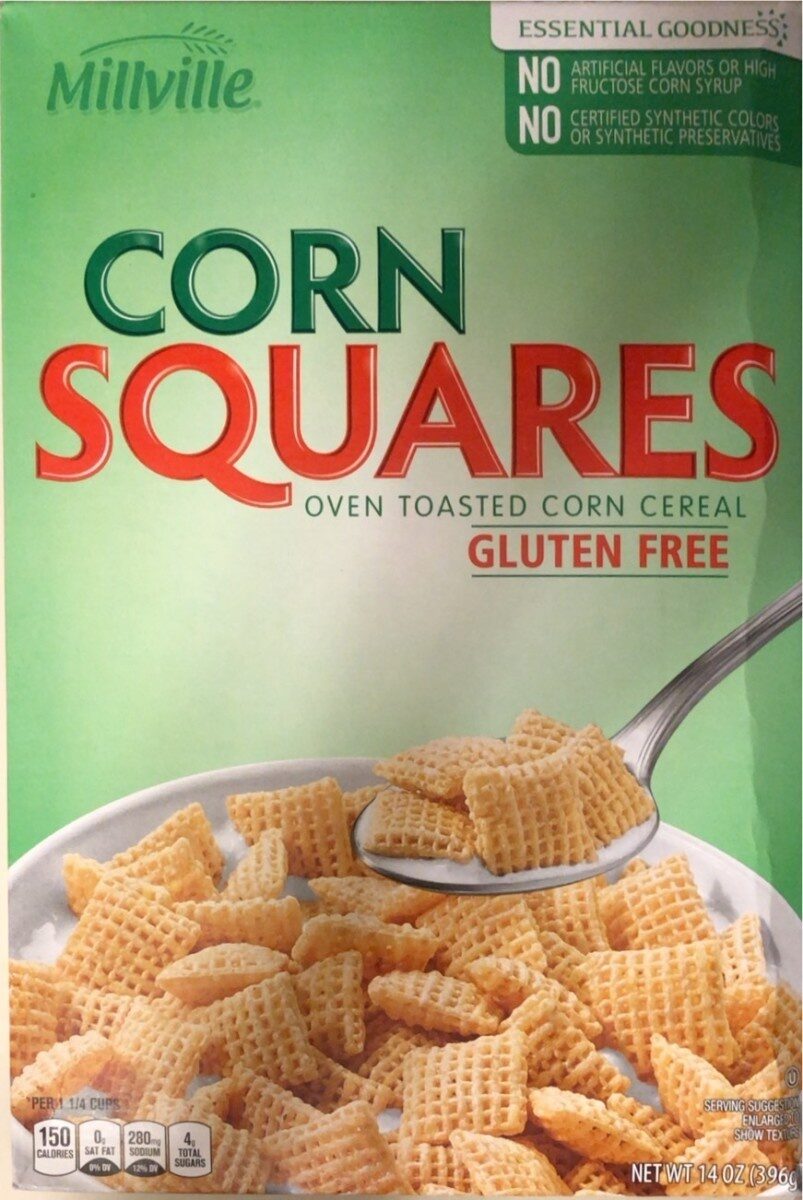


At a glance
Summary
This product is a processed cereal with a moderate level of added sugar, which contributes to empty calories and potential health issues when consumed in excess. While it contains beneficial ingredients like corn bran and various vitamins and minerals for fortification, the presence of refined sugar and its processed nature limit its overall healthiness. The product's processing level and the inclusion of additives further impact its score, despite some nutritional fortification.
Key ingredients 19
Corn branGood
Corn bran is a source of dietary fiber, which aids in digestion and promotes satiety. It is the outer layer of the corn kernel, providing additional nutrients compared to refined corn products. Including bran can improve the nutritional profile of cereal products.
Benefits
Rich in dietary fiber, which supports digestive health and helps maintain healthy cholesterol levels.
Mixed tocopherolsGood
Mixed tocopherols are a form of vitamin E used as an antioxidant to preserve freshness. They help prevent the oxidation of fats and oils in food products. Vitamin E is beneficial for skin health and immune function.
Benefits
Acts as an antioxidant, helping to preserve food quality and providing vitamin E, which supports immune and skin health.
Sodium ascorbateGood
Sodium ascorbate is a form of vitamin C used as an antioxidant and preservative. It helps maintain the color and flavor of foods while providing vitamin C benefits. Vitamin C is important for immune function and collagen synthesis.
Benefits
Provides vitamin C, supporting immune health and acting as an antioxidant.
NiacinamideGood
Niacinamide is a form of vitamin B3 used to fortify foods, supporting energy metabolism. It is essential for converting food into energy and maintaining healthy skin. Fortification helps prevent niacin deficiency in the diet.
Benefits
Supports energy metabolism and skin health, preventing niacin deficiency.
Zinc oxideGood
Zinc oxide is used to fortify foods with zinc, an essential mineral for immune function and wound healing. It helps maintain a healthy immune system and supports growth and development. Fortification ensures adequate zinc intake in the diet.
Risks
Excessive zinc intake can interfere with copper absorption, but this is rare from fortified foods.
Benefits
Supports immune function and wound healing, providing essential zinc.
Pyridoxine hydrochlorideGood
Pyridoxine hydrochloride is a form of vitamin B6 used to fortify foods, supporting brain health and metabolism. It is crucial for neurotransmitter synthesis and energy production. Fortification helps prevent vitamin B6 deficiency.
Benefits
Supports brain health and energy metabolism, preventing vitamin B6 deficiency.
RiboflavinGood
Riboflavin, or vitamin B2, is used to fortify foods, supporting energy production and cellular function. It is essential for converting food into energy and maintaining healthy skin and eyes. Fortification helps prevent riboflavin deficiency.
Benefits
Supports energy production and cellular function, preventing riboflavin deficiency.
Thiamin mononitrateGood
Thiamin mononitrate is a form of vitamin B1 used to fortify foods, supporting energy metabolism and nerve function. It is crucial for converting carbohydrates into energy and maintaining healthy nerve function. Fortification helps prevent thiamin deficiency.
Benefits
Supports energy metabolism and nerve function, preventing thiamin deficiency.
Vitamin DGood
Vitamin D is used to fortify foods, supporting bone health and immune function. It is essential for calcium absorption and maintaining healthy bones. Fortification helps prevent vitamin D deficiency, especially in populations with limited sun exposure.
Risks
Excessive intake can lead to hypercalcemia, but this is rare from fortified foods.
Benefits
Supports bone health and immune function, providing essential vitamin D.
Vitamin B12Good
Vitamin B12 is used to fortify foods, supporting nerve function and red blood cell formation. It is essential for DNA synthesis and maintaining healthy nerve cells. Fortification helps prevent vitamin B12 deficiency, especially in vegetarians and older adults.
Benefits
Supports nerve function and red blood cell formation, preventing vitamin B12 deficiency.
Milled cornNeutral
Milled corn is a primary ingredient providing carbohydrates and some fiber. It is a processed form of corn that retains some nutrients but lacks the full nutritional profile of whole corn. It serves as the base for many cereal products.
Benefits
Provides carbohydrates for energy and some dietary fiber.
SaltNeutral
Salt is used for flavor enhancement and preservation. It is a common ingredient in processed foods but should be consumed in moderation due to potential health impacts. Excessive salt intake is linked to hypertension and cardiovascular issues.
Risks
High sodium intake can lead to increased blood pressure and cardiovascular disease.
MolassesNeutral
Standard formulation ingredient — neither beneficial nor harmful at typical use.
Benefits
Contains trace minerals such as iron and calcium, offering slight nutritional benefits over refined sugar.
Baking sodaNeutral
Baking soda is used as a leavening agent to help the product rise and improve texture. It is a common ingredient in baked goods and processed foods. It is generally recognized as safe when used in typical food quantities.
See more about Baking soda →Calcium carbonateNeutral
Standard formulation ingredient — neither beneficial nor harmful at typical use.
Risks
Excessive intake can lead to hypercalcemia, but this is rare from food sources.
Benefits
Provides a source of calcium, essential for bone health and preventing osteoporosis.
Reduced ironNeutral
Standard formulation ingredient — neither beneficial nor harmful at typical use.
Risks
Excessive iron intake can cause gastrointestinal issues and toxicity, but this is uncommon from fortified foods.
Benefits
Essential for hemoglobin formation and oxygen transport, helping to prevent anemia.
Vitamin A palmitateNeutral
Standard formulation ingredient — neither beneficial nor harmful at typical use.
Risks
Excessive intake can lead to hypervitaminosis A, but this is rare from fortified foods.
Benefits
Supports vision and immune health, providing essential vitamin A.
Folic acidNeutral
Standard formulation ingredient — neither beneficial nor harmful at typical use.
Benefits
Supports DNA synthesis and cell division, preventing folate deficiency.
SugarBad
Refined sugar is added for sweetness but contributes to empty calories. It can lead to spikes in blood sugar levels and has been linked to various health issues when consumed in excess. It lacks nutritional benefits and is often overconsumed in processed foods.
Risks
Excessive consumption can lead to obesity, type 2 diabetes, and dental cavities.
Processing
Processed Foods
Get the full breakdown in the Scout appTake Scout shopping
Scan any product to see lab results, healthy alternatives, and your personalized analysis.
Download on theApp Store GET IT ONGoogle Play