

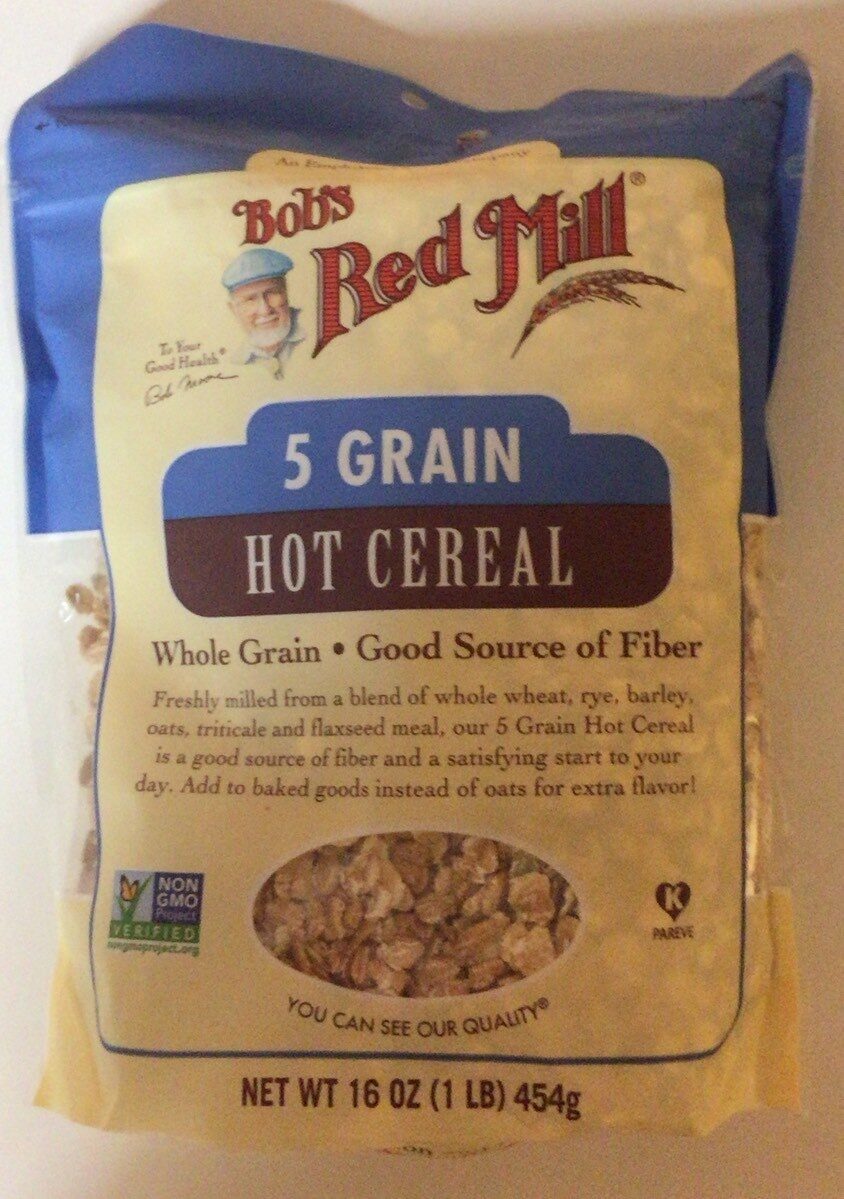
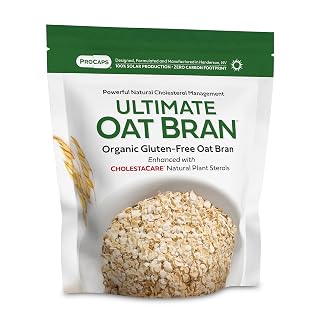

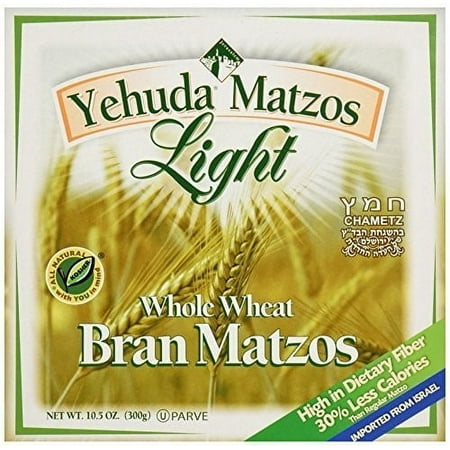
At a glance
Summary
Raisin Bran contains beneficial ingredients like whole grain wheat, raisins, and wheat bran, which provide fiber and essential nutrients. However, it also includes added sugar, which contributes to its high sugar content and can lead to metabolic issues if consumed excessively. The product is moderately processed, which limits its score, despite the presence of some fortified vitamins and minerals.
Key ingredients 17
Whole grain wheatGood
Whole grain wheat is a rich source of dietary fiber and essential nutrients. It is minimally processed, retaining most of its natural vitamins and minerals. Consuming whole grains is associated with a reduced risk of chronic diseases.
Benefits
Provides dietary fiber that supports digestive health and helps maintain healthy blood sugar levels.
RaisinsGood
Raisins are dried grapes that provide natural sugars and antioxidants. They are a good source of iron and potassium, contributing to overall health. The drying process concentrates their nutrients, making them a nutrient-dense snack.
Risks
High natural sugar content may contribute to dental issues if consumed in excess.
Benefits
Rich in antioxidants and provide essential minerals like iron and potassium.
Wheat branGood
Wheat bran is the outer layer of the wheat kernel, high in dietary fiber. It is minimally processed and helps improve digestive health. Regular consumption can aid in maintaining bowel regularity.
Benefits
High fiber content supports digestive health and may help lower cholesterol levels.
Malted barley flourGood
Malted barley flour is made from sprouted barley grains, enhancing its nutritional profile. It contains enzymes that aid in digestion and improve the texture of baked goods. The malting process increases its vitamin and mineral content.
Benefits
Enhances flavor and nutritional content of foods, providing enzymes that aid digestion.
NiacinamideGood
Niacinamide, or vitamin B3, is essential for energy metabolism and skin health. It is added to foods to prevent deficiencies and improve nutritional content. It plays a role in DNA repair and cellular function.
Benefits
Supports energy metabolism and contributes to healthy skin and cellular function.
Zinc oxideGood
Zinc oxide is a source of zinc, an essential mineral for immune function and wound healing. It is used to fortify foods and prevent zinc deficiency. Zinc is crucial for enzyme function and DNA synthesis.
Benefits
Supports immune function and aids in wound healing and DNA synthesis.
Pyridoxine hydrochlorideGood
Pyridoxine hydrochloride is a form of vitamin B6, important for protein metabolism and cognitive development. It is added to foods to enhance nutritional value and prevent deficiencies. Vitamin B6 is crucial for neurotransmitter synthesis.
Benefits
Supports protein metabolism and cognitive health, preventing vitamin B6 deficiency.
Thiamin mononitrateGood
Thiamin mononitrate is a form of vitamin B1, essential for energy production and nerve function. It is used to fortify foods and prevent thiamin deficiency. Thiamin is crucial for carbohydrate metabolism.
Benefits
Supports energy production and nerve health, preventing thiamin deficiency.
RiboflavinGood
Riboflavin, or vitamin B2, is important for energy production and skin health. It is added to foods to enhance nutritional content and prevent deficiencies. Riboflavin plays a role in cellular function and antioxidant protection.
Benefits
Supports energy metabolism and skin health, preventing riboflavin deficiency.
Vitamin B12Good
Vitamin B12 is essential for nerve function and red blood cell formation. It is added to foods to prevent deficiencies, especially in vegetarians and vegans. Vitamin B12 is crucial for DNA synthesis and energy production.
Benefits
Supports nerve health and red blood cell formation, preventing vitamin B12 deficiency.
Vitamin D3Good
Vitamin D3 is essential for calcium absorption and bone health. It is added to foods to prevent deficiencies, especially in populations with limited sun exposure. Vitamin D3 supports immune function and bone strength.
Benefits
Supports bone health and immune function, preventing vitamin D deficiency.
SaltNeutral
Salt is used to enhance flavor and preserve food. It is a refined product that provides sodium, an essential mineral. However, excessive consumption can lead to health issues.
Risks
High sodium intake is linked to hypertension and cardiovascular diseases.
Benefits
Provides essential sodium needed for various bodily functions.
Reduced ironNeutral
Standard formulation ingredient — neither beneficial nor harmful at typical use.
Benefits
Helps prevent iron deficiency and supports overall health.
Vitamin A palmitateNeutral
Standard formulation ingredient — neither beneficial nor harmful at typical use.
Risks
Excessive intake can lead to hypervitaminosis A, but this is rare with food fortification.
Benefits
Supports vision and immune health, preventing vitamin A deficiency.
Folic acidNeutral
Standard formulation ingredient — neither beneficial nor harmful at typical use.
Benefits
Supports DNA synthesis and prevents neural tube defects, essential for pregnancy.
SugarBad
Refined sugar is a source of empty calories with no essential nutrients. It is highly processed and can contribute to weight gain and metabolic issues. Excessive consumption is linked to increased risk of chronic diseases.
Risks
High intake can lead to obesity, type 2 diabetes, and heart disease.
Wheat flourBad
Refined grain flour stripped of bran and germ.
Risks
May contribute to blood sugar spikes due to its refined nature.
Benefits
Provides energy through carbohydrates but lacks significant nutritional benefits compared to whole grains.
Processing
Processed Foods
Get the full breakdown in the Scout appTake Scout shopping
Scan any product to see lab results, healthy alternatives, and your personalized analysis.
Download on theApp Store GET IT ONGoogle Play