
:max_bytes(150000):strip_icc():focal(729x410:731x412)/starbucks-protein-drinks-022726-1-7c6396342358435aaeba7218921a5370.jpg)

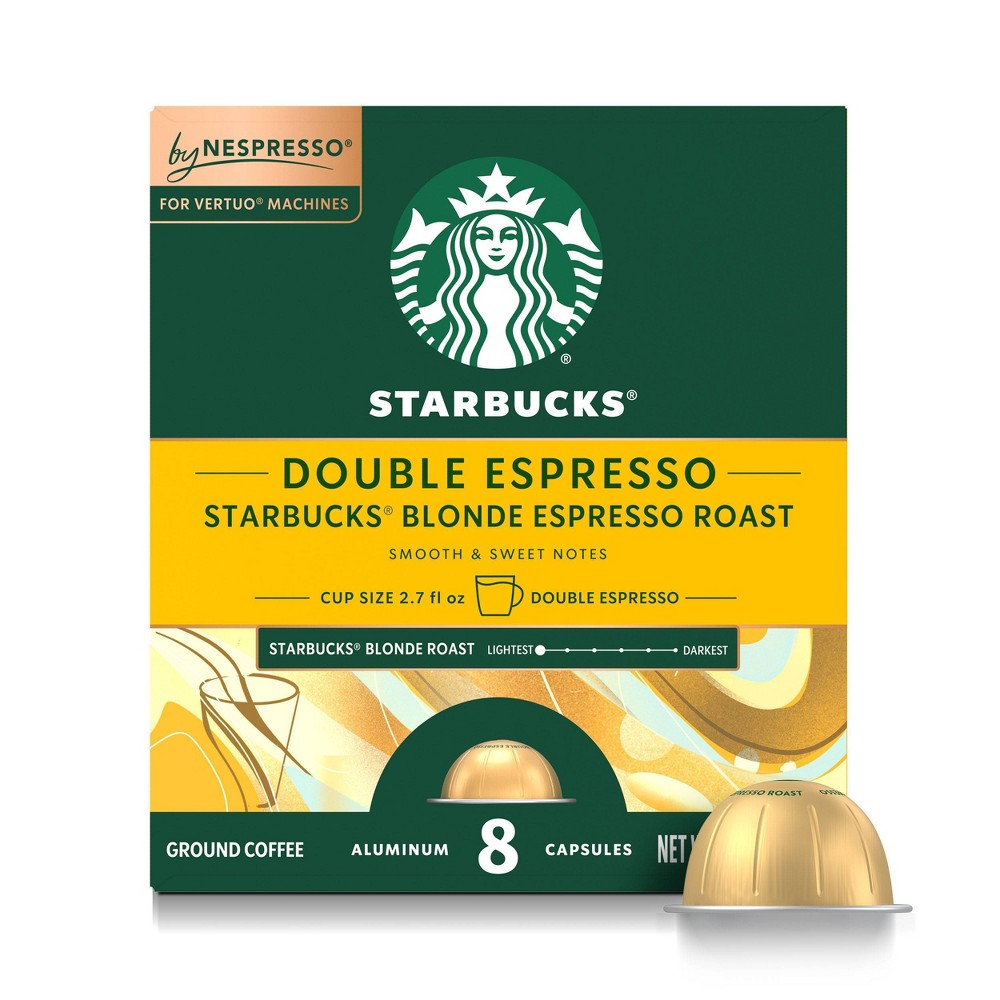
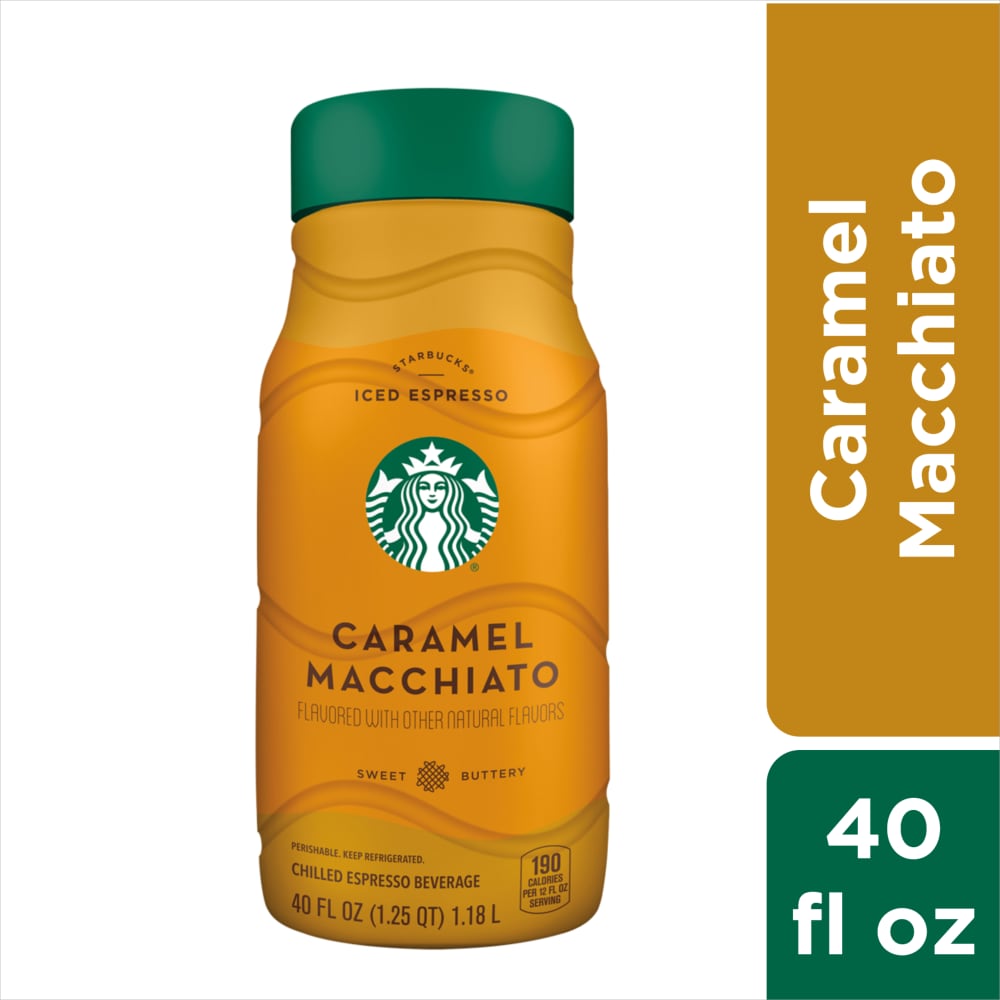




Starbucks Protein Drink With Coffee
Analysis updated May 2026 · How Scout scores
At a glance
Summary
This protein drink is heavily processed, containing multiple additives such as carrageenan, natural flavors, and the artificial sweetener acesulfame K, which are associated with potential health concerns. While it includes beneficial ingredients like milk and milk protein, the presence of these additives and its high processing level significantly impact its overall healthiness. The drink's nutritional profile is decent, but the processing and controversial ingredients limit its score.
Key ingredients 9
MilkGood
Milk is a good source of calcium and protein, which are essential for bone health and muscle maintenance. The milk used here is low-fat, which reduces saturated fat intake while still providing essential nutrients. It is a common ingredient in beverages for its creamy texture and nutritional benefits.
Risks
Some individuals may be lactose intolerant or allergic to milk proteins.
Benefits
Provides essential nutrients such as calcium, vitamin D, and high-quality protein.
Milk ProteinGood
Milk protein is a high-quality protein source that supports muscle repair and growth. It is often used in protein drinks to enhance the protein content without adding significant calories. This ingredient is beneficial for those looking to increase their protein intake.
Risks
May cause digestive issues in individuals with lactose intolerance or milk allergies.
Benefits
Supports muscle growth and repair due to its complete amino acid profile.
Arabica CoffeeNeutral
Arabica coffee is known for its smooth flavor and lower acidity compared to other coffee types. It contains caffeine, which can enhance alertness and cognitive function. The coffee is ethically sourced, which is a positive aspect for sustainability.
Risks
Excessive caffeine consumption can lead to insomnia, jitteriness, and increased heart rate.
Benefits
Contains antioxidants and can improve mental alertness and focus.
Gellan GumNeutral
Gellan gum is a stabilizer used to improve texture and consistency in beverages. It is derived from bacterial fermentation and is generally considered safe for consumption. It helps maintain the uniformity of the drink without affecting its nutritional profile.
Benefits
Helps maintain product consistency and texture.
Sodium CitrateNeutral
Sodium citrate is used as an acidity regulator and emulsifier in beverages. It helps maintain the pH balance and prevents separation of ingredients. It is generally recognized as safe when used in food products.
Benefits
Helps maintain product stability and prevents ingredient separation.
Potassium CarbonateNeutral
Potassium carbonate is used as a buffering agent to regulate acidity in beverages. It is a common food additive that helps maintain the desired pH level. It is considered safe for consumption in regulated amounts.
Benefits
Helps maintain the desired acidity level in the product.
CarrageenanBad
Carrageenan is a thickening agent derived from seaweed, often used to improve texture. However, it has been associated with digestive issues and inflammation in some studies. Its use in food products is controversial due to potential health concerns.
Risks
May cause digestive discomfort and inflammation in sensitive individuals.
Benefits
Provides a smooth texture and stabilizes the product.
Natural FlavorsBad
Natural flavors are used to enhance the taste of the product, but their exact composition is often undisclosed. This lack of transparency can be concerning for consumers who prefer to know all ingredients in their food. They are often criticized for being overly processed despite being labeled 'natural'.
Risks
Potential for undisclosed allergens and additives that may cause reactions in sensitive individuals.
Benefits
Enhances the flavor profile of the product.
Acesulfame KBad
Acesulfame K is an artificial sweetener used to provide sweetness without calories. It is controversial due to potential health concerns, including links to metabolic disorders. Despite being approved by food safety authorities, its long-term effects are still debated.
Risks
May contribute to metabolic disorders and has been linked to potential health concerns in some studies.
Benefits
Provides sweetness without adding calories, which can be beneficial for calorie-restricted diets.
Processing
Ultra-Processed Foods
Get the full breakdown in the Scout appTake Scout shopping
Scan any product to see lab results, healthy alternatives, and your personalized analysis.
Download on theApp Store GET IT ONGoogle PlayAmazon pricing & content
Amazon price as of . Product prices and availability are accurate as of the date/time indicated and are subject to change. Any price and availability information displayed on Amazon.com at the time of purchase will apply to the purchase of this product.
CERTAIN CONTENT THAT APPEARS ON THIS SITE COMES FROM AMAZON. THIS CONTENT IS PROVIDED “AS IS” AND IS SUBJECT TO CHANGE OR REMOVAL AT ANY TIME.