


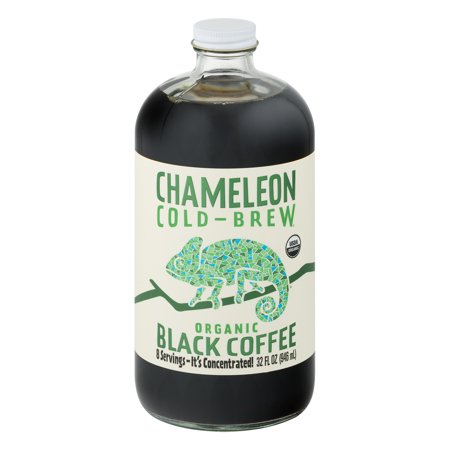

At a glance
Summary
This cold brew latte mocha contains a high level of added sugar, which can contribute to excessive calorie intake and potential health issues like metabolic disorders. The presence of 'natural flavors' adds to the processing level, as it is a non-transparent ingredient that can include various compounds. Despite being ultra-processed, the product does not contain any major harmful additives like artificial dyes or seed oils, which helps maintain a moderate score.
Key ingredients 7
Cold Brewed CoffeeGood
Cold brewed coffee is a natural source of antioxidants and can provide a smoother taste with less acidity compared to hot brewed coffee. The cold brewing process preserves more of the coffee's beneficial compounds, such as chlorogenic acids, which have been linked to various health benefits. It is a clean ingredient with no additives or artificial substances.
Benefits
Rich in antioxidants that may help reduce inflammation and improve overall health.
CocoaGood
Beneficial ingredient — whole-food or functional value in this product class.
Risks
Alkalization may reduce antioxidant content compared to natural cocoa.
Benefits
Adds flavor and contains some antioxidants, though less than natural cocoa.
Reduced Fat MilkNeutral
Reduced fat milk provides essential nutrients like calcium and vitamin D, but the reduction in fat content may also reduce some beneficial fatty acids. It is a common ingredient in beverages for its creamy texture and nutritional profile. The processing to reduce fat content does not significantly impact its overall health benefits.
Benefits
Provides calcium and vitamin D, which are important for bone health.
PectinNeutral
Pectin is a natural gelling agent derived from fruits, commonly used to stabilize and thicken beverages. It is considered safe and is often used in food products to improve texture. Pectin does not significantly impact the nutritional profile of the product.
Benefits
Helps stabilize and thicken the product without adding calories.
Sodium BicarbonateNeutral
Sodium bicarbonate, commonly known as baking soda, is used to regulate acidity and stabilize the beverage. It is generally recognized as safe and has minimal impact on the nutritional profile. Its use in beverages is primarily functional, with no significant health benefits or risks.
Benefits
Helps maintain product stability and acidity balance.
SugarBad
Sugar is a common sweetener that can contribute to excessive calorie intake and potential weight gain if consumed in large amounts. The high sugar content in beverages can lead to increased risk of metabolic disorders such as diabetes. It is important to moderate sugar intake to maintain a balanced diet.
Risks
Excessive consumption can lead to obesity, diabetes, and other metabolic disorders.
Benefits
Provides quick energy but lacks essential nutrients.
Natural FlavorBad
Natural flavors are often used to enhance taste but can be a catch-all term for a variety of compounds, making it difficult to assess their exact composition. The lack of transparency can be concerning for consumers seeking to avoid certain additives. While derived from natural sources, the processing and potential additives used are not always disclosed.
Risks
Lack of transparency in composition may pose concerns for those with allergies or sensitivities.
Benefits
Enhances flavor without adding calories, but lacks nutritional benefits.
Processing
Ultra-Processed Foods
Get the full breakdown in the Scout appTake Scout shopping
Scan any product to see lab results, healthy alternatives, and your personalized analysis.
Download on theApp Store GET IT ONGoogle Play