
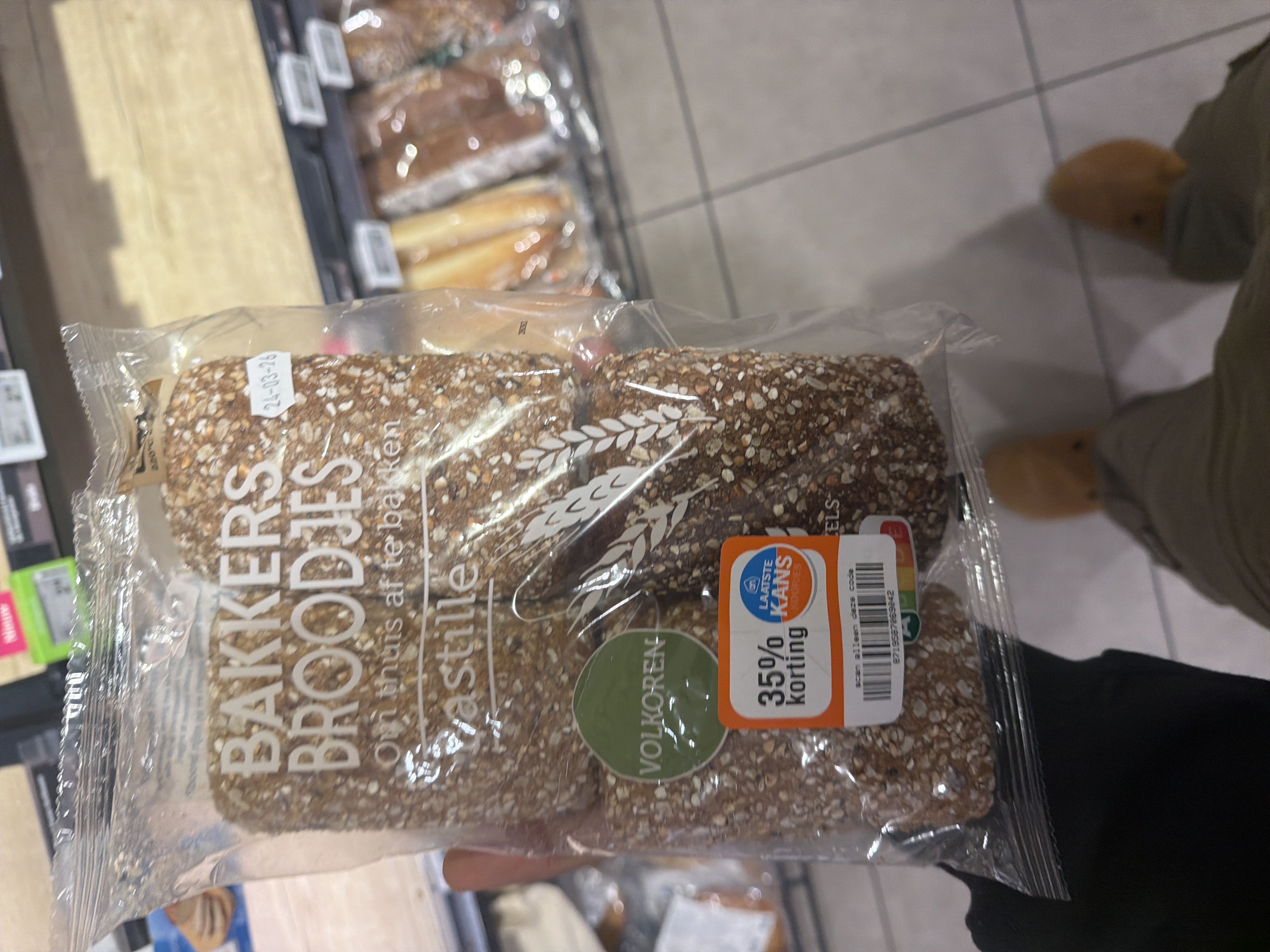


At a glance
Summary
This bread is made with whole wheat flour, which is beneficial for its fiber content and nutritional value. However, it contains dextrose, a refined sugar that can lead to blood sugar spikes, and emulsifiers like E472e, which are synthetic additives associated with potential gut health concerns. The presence of these processed ingredients and additives limits its healthfulness compared to less processed options.
Key ingredients 11
Whole Wheat FlourGood
Whole wheat flour is a source of dietary fiber and essential nutrients. It is less processed than refined flour, retaining more of the grain's natural vitamins and minerals. This ingredient supports digestive health and provides sustained energy.
Risks
May cause allergic reactions in individuals with wheat allergies or gluten intolerance.
Benefits
Rich in fiber, which aids in digestion and helps maintain healthy blood sugar levels.
PotatoGood
Beneficial ingredient — whole-food or functional value in this product class.
Benefits
Adds moisture and softness to the bread.
WaterNeutral
Water is a basic ingredient used in baking to hydrate flour and activate yeast. It is essential for the dough formation process. There are no health concerns associated with water in this context.
See more about Water →Wheat GlutenNeutral
Wheat gluten is added to improve the elasticity and texture of bread. It is a protein derived from wheat and is commonly used in baking. While it enhances bread quality, it may pose issues for those with gluten sensitivity.
Risks
Can cause adverse reactions in individuals with celiac disease or gluten sensitivity.
Benefits
Improves the texture and structure of bread, making it more palatable.
Baker's YeastNeutral
Baker's yeast is used as a leavening agent to help bread rise. It is a natural ingredient that ferments sugars to produce carbon dioxide. This process contributes to the bread's texture and flavor.
Benefits
Contributes to the leavening and flavor development in bread.
Iodized SaltNeutral
Iodized salt is used to enhance flavor and provide iodine, an essential nutrient. It is a refined form of salt with added iodine to prevent deficiencies. While beneficial in moderation, excessive intake can lead to health issues.
Risks
Excessive consumption may lead to high blood pressure and other health issues.
Benefits
Provides iodine, which is essential for thyroid function.
StarchNeutral
Starch is used as a thickening agent and to improve texture. It is a carbohydrate derived from various sources like corn or potatoes. While it adds bulk, it does not provide significant nutritional benefits.
Benefits
Helps improve the texture and consistency of the bread.
Emulsifier E481Neutral
E481 is an emulsifier that helps stabilize dough and improve texture. It is commonly used in baking to enhance product quality. While it is considered safe, it does not provide nutritional benefits.
Benefits
Enhances dough stability and texture in baked goods.
Flour Treatment Agent E300Neutral
E300, also known as ascorbic acid, is used as a flour treatment agent to improve dough strength. It is a form of vitamin C and is generally considered safe. It helps improve the quality of the bread without significant health concerns.
Benefits
Improves dough strength and quality, contributing to better bread texture.
DextroseBad
Dextrose is a simple sugar used to enhance sweetness and aid fermentation. It is a refined carbohydrate that can contribute to blood sugar spikes. Its use in processed foods is often linked to negative health impacts.
Risks
May contribute to increased blood sugar levels and insulin resistance when consumed in excess.
Benefits
Provides a quick source of energy and aids in yeast fermentation.
Emulsifier E472eBad
E472e is an emulsifier used to improve texture and shelf life. It is a synthetic additive that can be found in processed foods. While generally recognized as safe, excessive consumption of emulsifiers may affect gut health.
Risks
Potential to disrupt gut microbiota when consumed in large amounts.
Benefits
Improves texture and extends the shelf life of baked goods.
Processing
Processed Foods
Get the full breakdown in the Scout appTake Scout shopping
Scan any product to see lab results, healthy alternatives, and your personalized analysis.
Download on theApp Store GET IT ONGoogle Play