
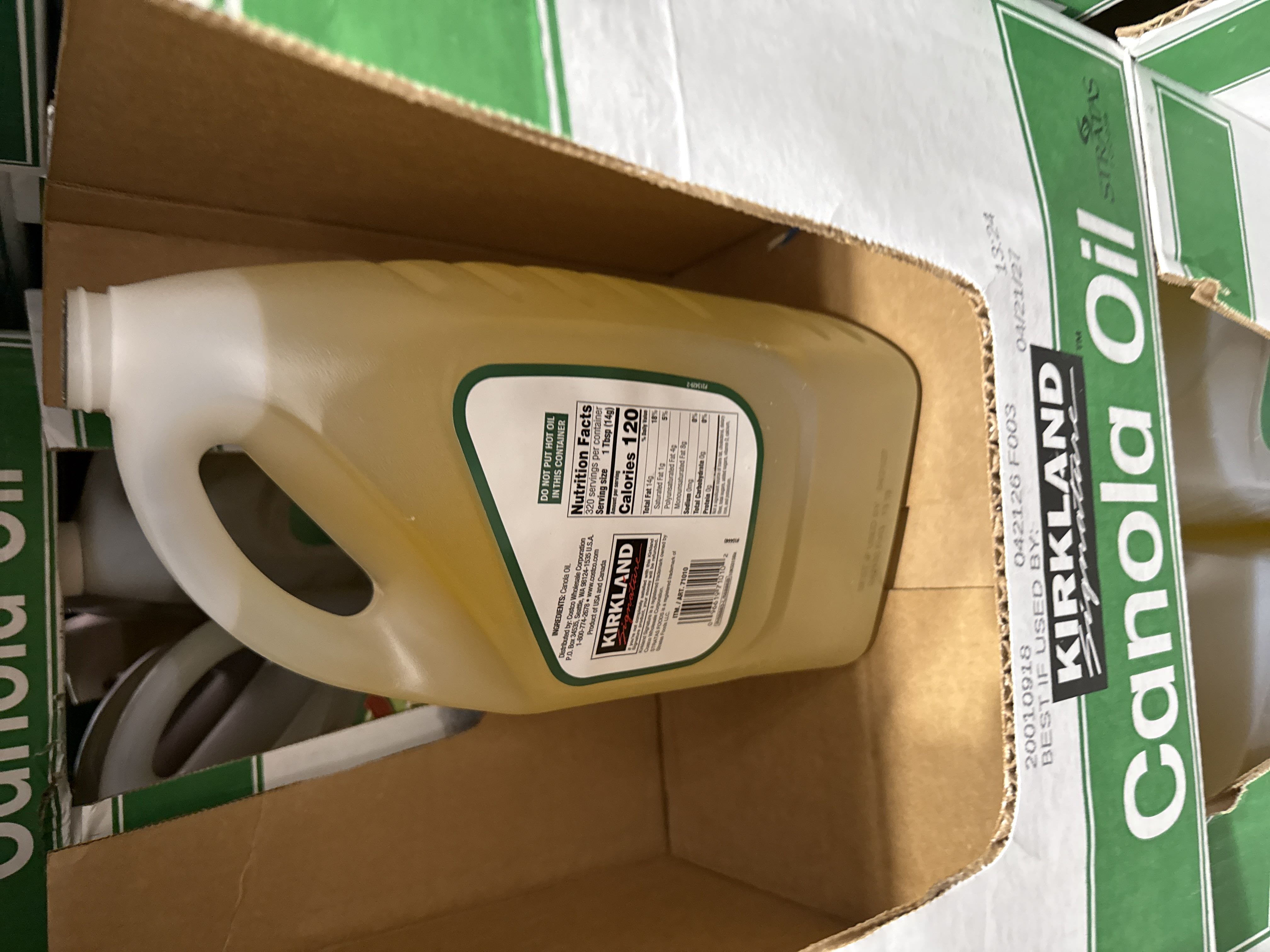
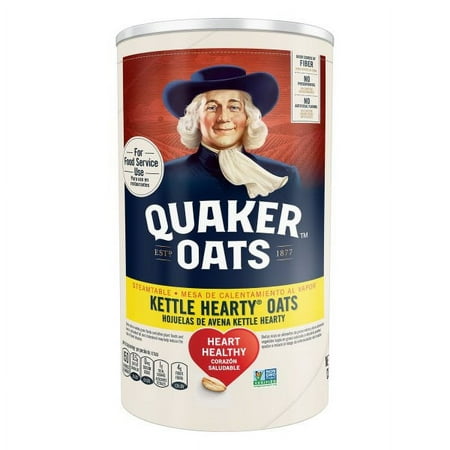
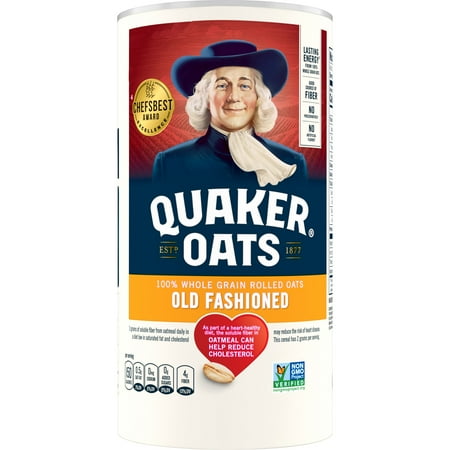

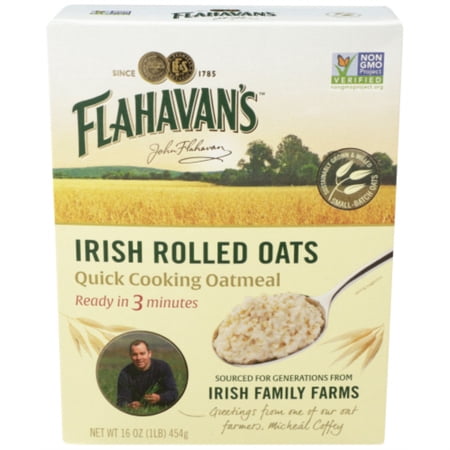
Quaker oatmeal
Summary
This product contains beneficial ingredients like whole grain rolled oats and cinnamon, which provide fiber and antioxidants. However, it is heavily processed with added sugars, artificial flavors, and caramel color, which detract from its nutritional value. The presence of these additives and the high level of processing significantly impact its overall healthiness.
At a glance
Key ingredients 19
Whole Grain Rolled OatsVery Good
Whole grain rolled oats are a minimally processed source of complex carbohydrates and fiber. They provide beta-glucan, which is beneficial for heart health. As a whole grain, they retain essential nutrients and promote sustained energy release.
Benefits
Rich in fiber and beta-glucan, which support heart health and provide sustained energy.
SugarBad
Sugar is a refined carbohydrate that can contribute to increased blood sugar levels. Excessive consumption is linked to obesity, diabetes, and other metabolic disorders. It provides no essential nutrients and is considered empty calories.
Risks
High intake of sugar can lead to obesity, insulin resistance, and dental cavities.
Dehydrated ApplesGood
Dehydrated apples provide natural sweetness and some fiber. They retain some vitamins and minerals found in fresh apples. The dehydration process concentrates the sugars but also preserves the fruit's nutrients.
Risks
May contain added sugars or preservatives depending on processing methods.
Benefits
Provides natural sweetness and some fiber, along with vitamins and minerals.
Natural FlavorBad
Natural flavors are often used to enhance taste but can be derived from complex chemical processes. They lack transparency in sourcing and may contain allergens. The term 'natural' does not guarantee health benefits or quality.
Risks
Potential allergens and lack of transparency in ingredient sourcing.
Artificial FlavorVery Bad
Artificial flavors are synthetic compounds used to mimic natural flavors. They are highly processed and can contain numerous chemicals. These additives provide no nutritional value and may pose health risks.
Risks
May cause allergic reactions and contribute to hyperactivity in sensitive individuals.
SaltNeutral
Salt is used to enhance flavor and preserve food. While necessary for bodily functions, excessive intake can lead to hypertension. It is a common additive in processed foods.
Risks
Excessive consumption can lead to high blood pressure and cardiovascular issues.
Benefits
Essential for maintaining fluid balance and nerve function.
CinnamonGood
Cinnamon is a spice with antioxidant properties and potential health benefits. It may help regulate blood sugar levels and has anti-inflammatory effects. Its natural compounds contribute to its health-promoting properties.
Risks
Excessive consumption may cause liver damage due to coumarin content.
Benefits
Contains antioxidants and may help regulate blood sugar levels.
Calcium CarbonateNeutral
Calcium carbonate is used as a calcium supplement and food additive. It helps fortify foods with calcium, supporting bone health. However, it is less bioavailable compared to other calcium sources.
Risks
Excessive intake can lead to kidney stones and impaired absorption of other minerals.
Benefits
Provides calcium, which is essential for bone health.
Citric AcidNeutral
Citric acid is a natural preservative and flavor enhancer. It is commonly used to add acidity and improve shelf life. Derived from citrus fruits, it is generally recognized as safe.
Risks
May cause tooth enamel erosion if consumed in large amounts.
Benefits
Acts as a preservative and enhances flavor.
Guar GumNeutral
Guar gum is a thickening agent derived from guar beans. It is used to improve texture and stability in processed foods. While generally safe, it can cause digestive issues in sensitive individuals.
Risks
May cause digestive discomfort such as bloating and gas.
Benefits
Improves texture and stability in food products.
Malic AcidNeutral
Malic acid is a naturally occurring acid used to enhance flavor and acidity. It is found in many fruits and is generally recognized as safe. It contributes to the tartness in foods and beverages.
Benefits
Enhances flavor and acidity in food products.
NiacinamideNeutral
Niacinamide is a form of vitamin B3 used to fortify foods. It supports energy metabolism and skin health. As a water-soluble vitamin, it is generally safe with low toxicity risk.
Risks
High doses may cause liver damage and gastrointestinal issues.
Benefits
Supports energy metabolism and skin health.
Reduced IronNeutral
Reduced iron is used to fortify foods with iron, an essential mineral. It helps prevent iron deficiency anemia. However, its bioavailability is lower compared to heme iron from animal sources.
Risks
Excessive iron intake can lead to toxicity and organ damage.
Benefits
Prevents iron deficiency anemia and supports oxygen transport in the body.
Vitamin A PalmitateNeutral
Vitamin A palmitate is a synthetic form of vitamin A used to fortify foods. It supports vision, immune function, and skin health. However, excessive intake can lead to toxicity.
Risks
High doses can cause vitamin A toxicity, leading to liver damage and other health issues.
Benefits
Supports vision, immune function, and skin health.
Pyridoxine HydrochlorideNeutral
Pyridoxine hydrochloride is a form of vitamin B6 used to fortify foods. It plays a role in protein metabolism and cognitive development. As a water-soluble vitamin, it is generally safe with low toxicity risk.
Risks
Excessive intake can cause nerve damage and sensory neuropathy.
Benefits
Supports protein metabolism and cognitive development.
RiboflavinNeutral
Riboflavin, or vitamin B2, is used to fortify foods and supports energy production. It is essential for the metabolism of fats, carbohydrates, and proteins. As a water-soluble vitamin, it is generally safe with low toxicity risk.
Benefits
Supports energy production and metabolism of macronutrients.
Thiamin MononitrateNeutral
Thiamin mononitrate is a form of vitamin B1 used to fortify foods. It is essential for carbohydrate metabolism and nerve function. As a water-soluble vitamin, it is generally safe with low toxicity risk.
Benefits
Supports carbohydrate metabolism and nerve function.
Folic AcidNeutral
Folic acid is a synthetic form of vitamin B9 used to fortify foods. It is crucial for DNA synthesis and cell division. Adequate intake is important during pregnancy to prevent neural tube defects.
Risks
Excessive intake may mask vitamin B12 deficiency and lead to neurological damage.
Benefits
Supports DNA synthesis and is important for fetal development.
Caramel ColorBad
Caramel color is a food coloring agent used to enhance appearance. It is produced through the controlled heat treatment of carbohydrates, which can produce harmful byproducts. Some forms of caramel color may contain 4-MEI, a potential carcinogen.
Risks
May contain 4-MEI, a compound linked to cancer in animal studies.
Processing
Ultra-Processed Foods
Get the full breakdown in the Scout app
Scan any product to see lab results, healthy alternatives, and your personalized analysis.
Download on theApp Store