


At a glance
Summary
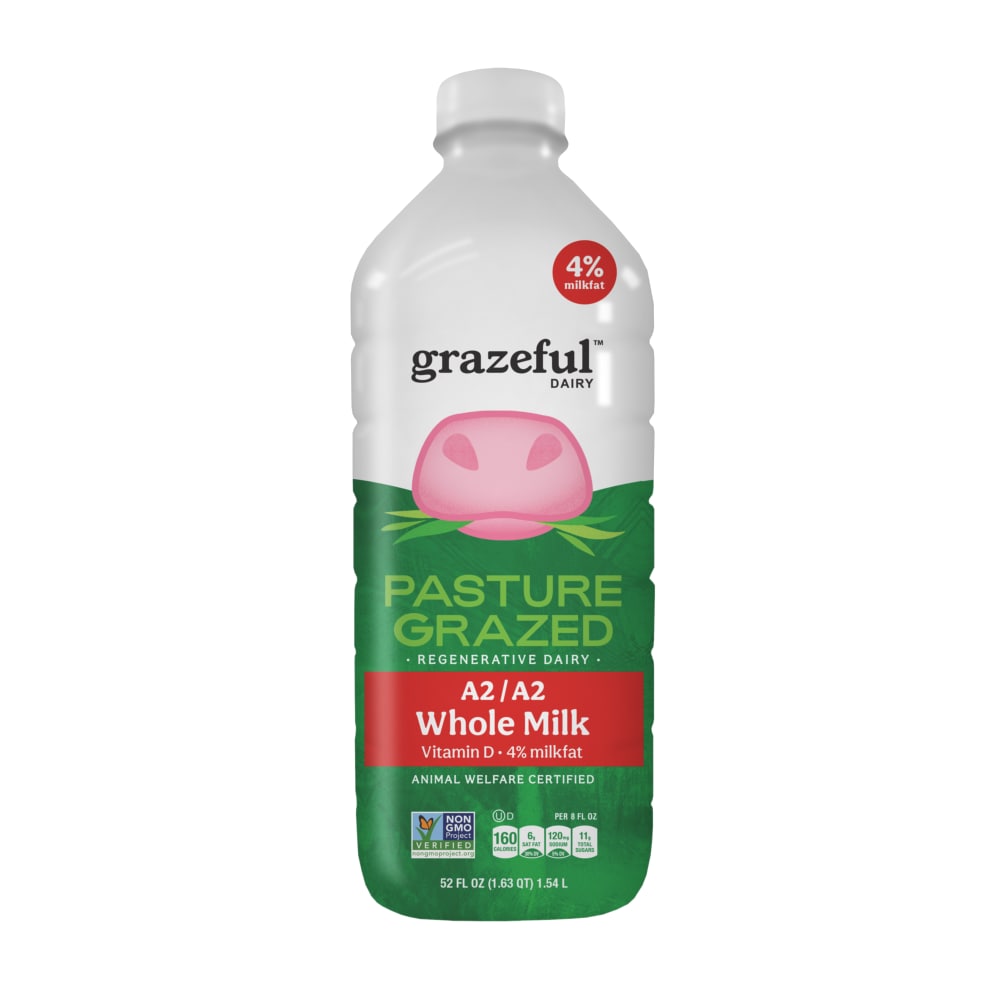
This product is minimally processed, consisting primarily of whole milk, which is a natural source of essential nutrients like calcium, vitamin D, and protein. The addition of iron and vitamins A and D enhances its nutritional profile, supporting immune function and bone health. The clean ingredient list and lack of harmful additives contribute to its high rating.
Key ingredients 3
Whole milkGood
Whole milk is a natural source of essential nutrients including calcium, vitamin D, and protein. It is minimally processed, retaining its natural fat content which can aid in the absorption of fat-soluble vitamins. The presence of natural enzymes and beneficial bacteria can support digestive health.
Risks
Some individuals may be lactose intolerant or allergic to milk proteins, which can cause digestive discomfort.
Benefits
Provides a rich source of calcium and vitamin D, essential for bone health. Contains high-quality protein and healthy fats that support overall nutrition.
IronGood
Iron is a crucial mineral for the production of hemoglobin and oxygen transport in the blood. It is often added to foods to prevent iron deficiency anemia, especially in populations at risk. The bioavailability of iron can be enhanced when consumed with vitamin C-rich foods.
Risks
Excessive iron intake can lead to toxicity, particularly in individuals with hemochromatosis.
Benefits
Essential for oxygen transport and energy production in the body. Helps prevent iron deficiency anemia, supporting overall health.
Vitamin A and Vitamin DGood
Vitamins A and D are fat-soluble vitamins essential for immune function and bone health. Vitamin A supports vision and skin health, while vitamin D aids in calcium absorption. Fortification of milk with these vitamins helps prevent deficiencies in the general population.
Risks
Excessive intake of fat-soluble vitamins can lead to toxicity, but this is rare with normal dietary consumption.
Benefits
Supports immune function, vision, and bone health. Fortification helps ensure adequate intake of these essential nutrients.
Processing
Unprocessed or Minimally Processed Foods
Get the full breakdown in the Scout appTake Scout shopping
Scan any product to see lab results, healthy alternatives, and your personalized analysis.
Download on theApp Store GET IT ONGoogle Play