






Near you
Trader Joe's is carried at Trader Joe stores. Find one within 25 miles.
At a glance
Summary
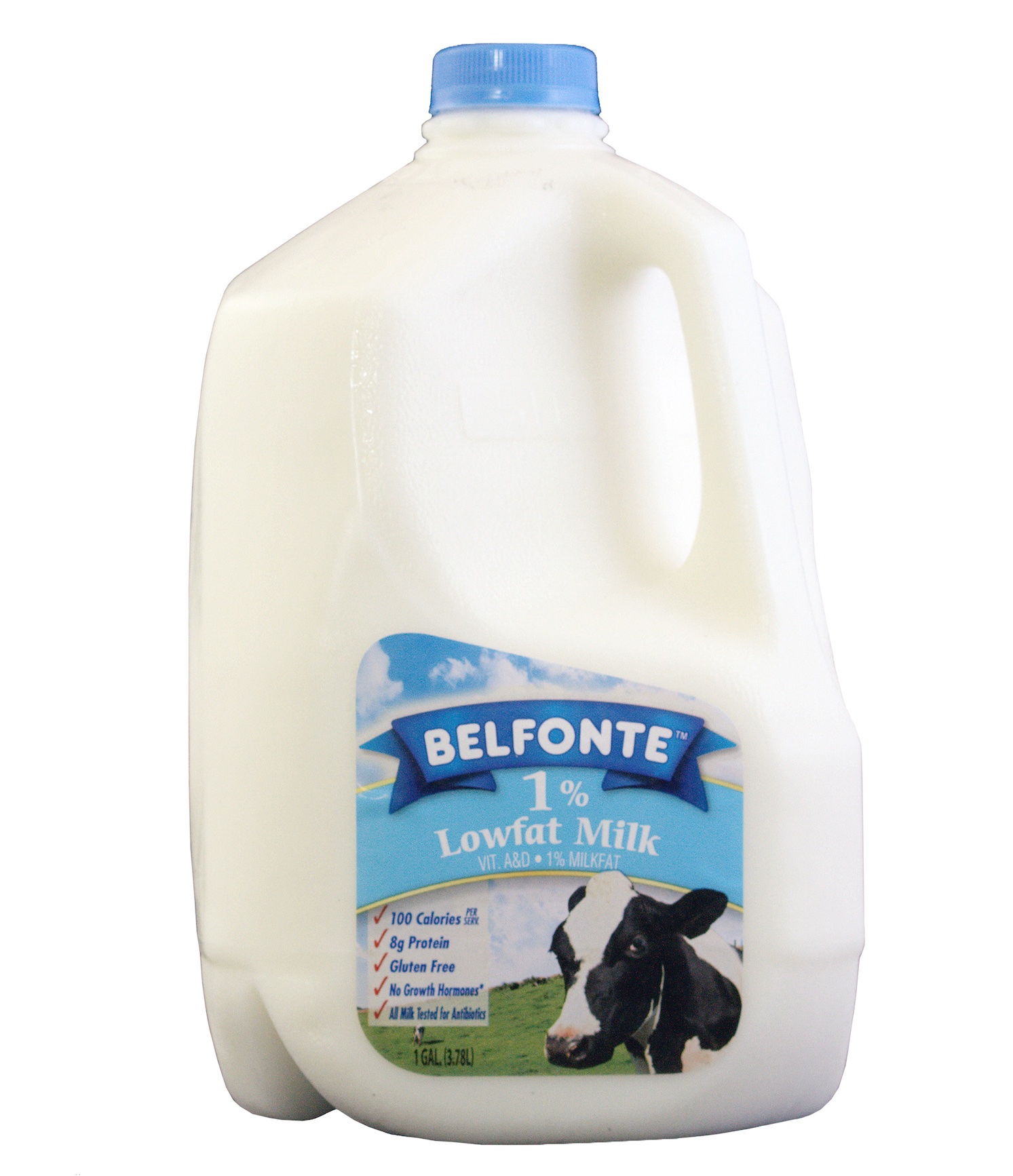
This organic low-fat milk is minimally processed and fortified with essential vitamins A and D3, enhancing its nutritional value. The organic certification ensures it is free from synthetic pesticides and hormones, contributing to a clean label with no harmful additives. Its processing level is minimal, making it a healthy choice within its category.
Key ingredients 3
Organic grade a low fat milkGood
Organic low fat milk is a minimally processed dairy product that provides essential nutrients like calcium and protein. Being organic, it is free from synthetic pesticides and hormones, which enhances its nutritional profile. It is a good source of vitamins and minerals necessary for bone health.
Benefits
Provides essential nutrients such as calcium and protein, supporting bone health and muscle function. The organic certification ensures it is free from synthetic additives and hormones.
Vitamin d3Good
Vitamin D3 is added to milk to aid in calcium absorption and support bone health. It is crucial for maintaining healthy bones and teeth. Fortification with vitamin D3 helps prevent deficiencies, especially in populations with limited sun exposure.
Benefits
Enhances calcium absorption, supporting bone health and preventing deficiencies. Essential for maintaining healthy bones and teeth.
Vitamin a palmitateNeutral
Standard formulation ingredient — neither beneficial nor harmful at typical use.
Risks
Excessive intake of vitamin A can lead to toxicity, but the amounts used in fortified foods are generally safe.
Benefits
Supports vision, immune function, and skin health. Fortification helps ensure adequate intake of this essential nutrient.
Processing
Unprocessed or Minimally Processed Foods
Get the full breakdown in the Scout appTake Scout shopping
Scan any product to see lab results, healthy alternatives, and your personalized analysis.
Download on theApp Store GET IT ONGoogle Play