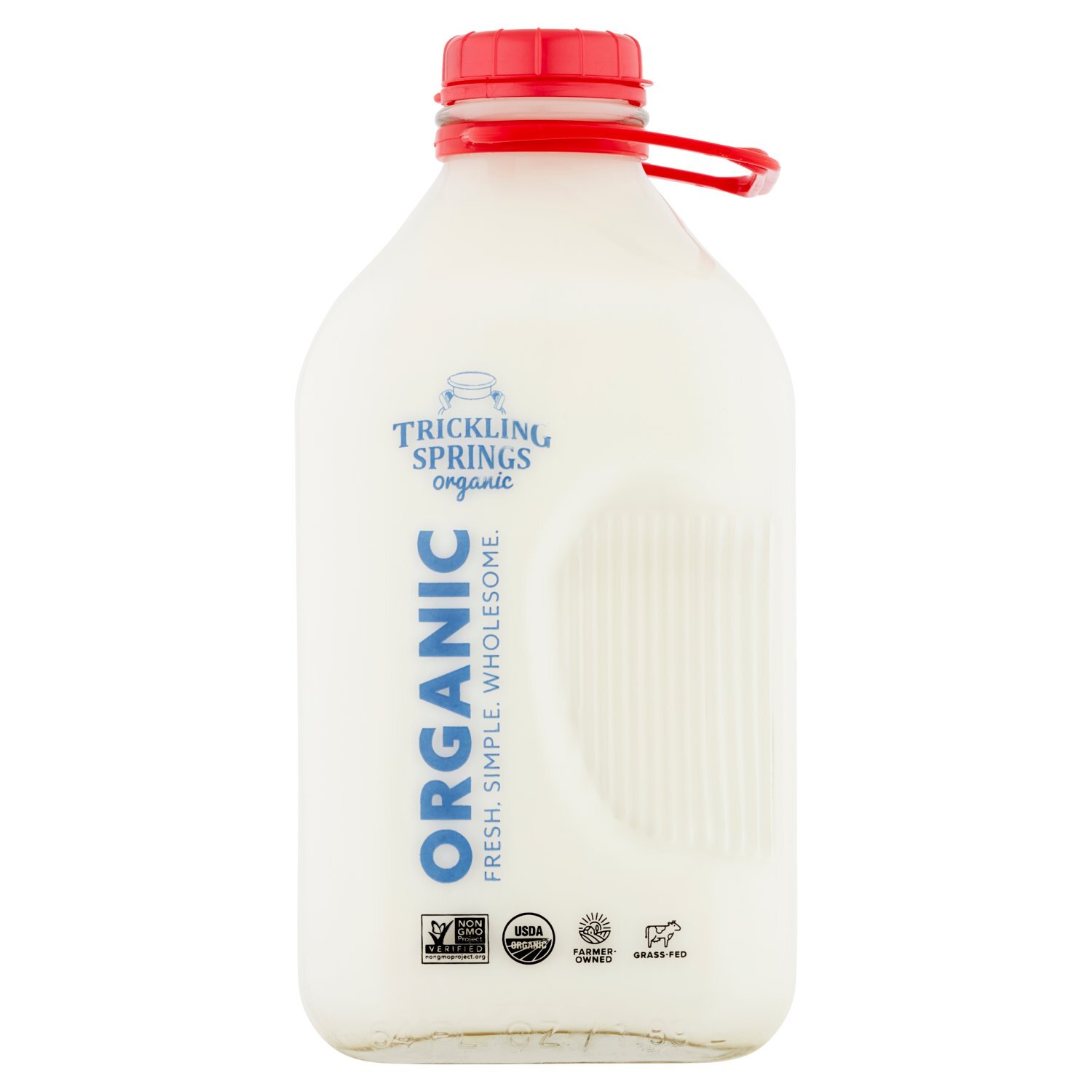
Whole Milk

At a glance
Summary
Whole milk is a minimally processed dairy product that retains its natural nutrients, including calcium, vitamin D, and protein. It is pasteurized for safety but remains largely unaltered, making it a nutritious choice with beneficial fats that aid in nutrient absorption. The absence of additives and its single-ingredient nature contribute to its high rating. Its plastic packaging can shed microplastics into the food and lowers its score.
Key ingredients 1
Whole milkGood
Whole milk is a minimally processed dairy product that provides essential nutrients such as calcium, vitamin D, and protein. It is typically pasteurized to ensure safety while retaining most of its nutritional benefits. Compared to skim or low-fat milk, whole milk contains more natural fats which can be beneficial for nutrient absorption.
Risks
Whole milk contains saturated fats, which may contribute to heart disease if consumed in excess.
Benefits
Rich in calcium and vitamin D, whole milk supports bone health and provides a good source of high-quality protein.
Processing
Unprocessed or Minimally Processed Foods
Get the full breakdown in the Scout appTake Scout shopping
Scan any product to see lab results, healthy alternatives, and your personalized analysis.
Are you Tesco? Fix an error Get the badge Get tested