
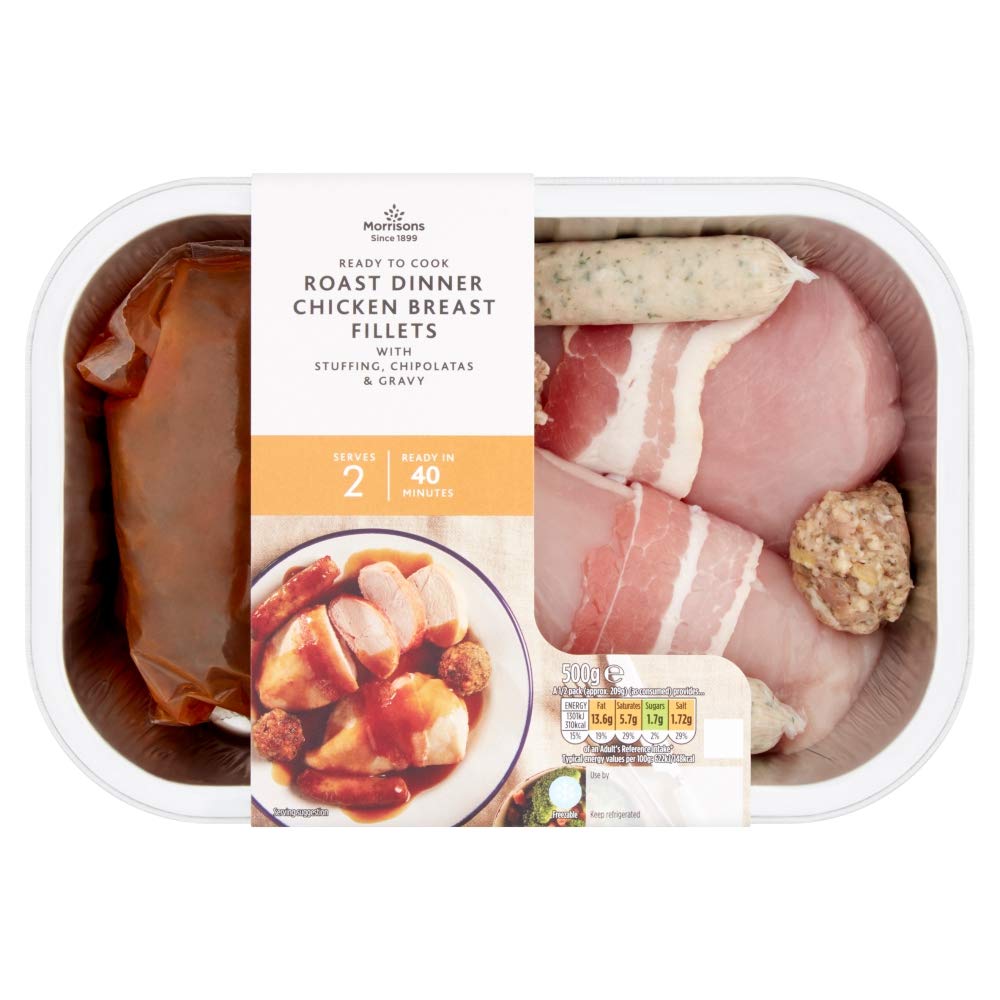
British Roast Chicken & Stuffing

Morrisons
60 Fair
View on Amazon

Summary

This product contains beneficial ingredients like chicken and onion, which provide protein and antioxidants. However, it also includes rapeseed oil, a seed oil that is highly processed and can promote inflammation. Additionally, the presence of synthetic preservatives and stabilizers contributes to its processed nature, limiting its overall healthiness.

At a glance

Beneficial ingredients 2
Harmful ingredients 3
Owned by Clayton, Dubilier & Rice
Category Meat And Seafood

Key ingredients 10

Chicken
Good

Chicken is a high-quality source of protein that supports muscle growth and repair. It provides essential amino acids and is generally low in fat when skinless. Compared to plant-based proteins, it offers a more complete amino acid profile.

Risks

Potential risks include contamination with bacteria like Salmonella if not cooked properly.

Benefits

Rich in protein and essential nutrients such as B vitamins and selenium, which support overall health.

See more about Chicken →
Pork
Neutral

Pork is a source of protein and various vitamins and minerals. It can be high in saturated fat depending on the cut. Lean cuts are healthier options compared to fatty ones.

Risks

High consumption of processed pork products may increase the risk of certain health issues.

Benefits

Provides protein and nutrients like thiamine, selenium, and zinc.

See more about Pork →
Wheat Flour
Neutral

Wheat flour is a staple ingredient used in many baked goods and processed foods. It provides carbohydrates and some protein. Whole wheat flour is more nutritious than refined flour due to higher fiber content.

Risks

May cause allergic reactions in individuals with gluten intolerance or celiac disease.

Benefits

Provides energy through carbohydrates and some essential nutrients.

See more about Wheat Flour →
Preservatives
Bad

Preservatives like potassium lactate and sodium acetates are used to extend shelf life and prevent spoilage. They are synthetic additives that may have health concerns when consumed in large amounts. Natural alternatives are often preferred for cleaner labels.

Risks

Excessive consumption may lead to health issues such as increased sodium intake.

Benefits

Help maintain product freshness and safety by inhibiting microbial growth.

See more about Preservatives →
Onion
Good

Onion is a natural ingredient that adds flavor and nutritional value. It contains antioxidants and compounds that may support heart health. Fresh onions are preferable to dried or powdered forms for maximum nutrient retention.

Benefits

Rich in antioxidants and may have anti-inflammatory properties.

See more about Onion →
Salt
Neutral

Salt is used to enhance flavor and preserve food. It is a necessary nutrient but should be consumed in moderation to avoid health issues. Unrefined salts offer trace minerals, unlike regular table salt.

Risks

Excessive intake can lead to high blood pressure and cardiovascular issues.

Benefits

Essential for maintaining fluid balance and nerve function.

See more about Salt →
Stabilisers
Bad

Stabilisers are additives used to maintain texture and consistency in processed foods. They are often synthetic and may have potential health concerns. Natural alternatives are generally preferred for cleaner labels.

Risks

May cause digestive issues or allergic reactions in sensitive individuals.

Benefits

Help maintain product texture and stability during storage.

Spices
Neutral

Spices are used to enhance flavor and may offer health benefits. They are generally considered safe and beneficial in small amounts. The specific health benefits depend on the type of spice used.

Benefits

May provide antioxidants and anti-inflammatory properties.

See more about Spices →
Yeast
Neutral

Yeast is used in baking to help dough rise and improve texture. It is a natural ingredient that can also provide some nutrients. Nutritional yeast is a good source of B vitamins.

Benefits

Contributes to the leavening process and can provide B vitamins.

See more about Yeast →
Rapeseed Oil
Very Bad

Rapeseed oil is a seed oil high in omega-6 fatty acids, which can promote inflammation if consumed in excess. It is often highly processed, which may reduce its nutritional value. Cold-pressed alternatives like olive oil are healthier options.

Risks

High omega-6 content may promote inflammation when consumed in excess.

See more about Rapeseed Oil →

Processing

Group 3 · Processed

Processed Foods

Get the full breakdown in the Scout app

Scan any product to see lab results, healthy alternatives, and your personalized analysis.

Download on theApp Store