
Ingredient · Updated
Preservatives
Found in 5 products


What is Preservatives?
Preservatives are substances added to food products to prevent spoilage and extend shelf life. They can be natural, such as salt and vinegar, or synthetic, such as sodium benzoate and potassium sorbate.
Preservatives are used to inhibit the growth of bacteria, yeasts, and molds, which can spoil food and pose a risk to health. The safety of various preservatives has been extensively studied, with some deemed safe in specified amounts, while others have faced scrutiny over potential health concerns.
When you see preservatives on a label, it indicates that the product is designed to have a longer shelf life. If concerned about specific preservatives, you may wish to review their individual safety profiles.
Commonly found in: baked goods, processed meats, snack foods, beverages, condiments
What to watch
- Some synthetic preservatives like BHA and BHT have been associated with potential allergic reactions in sensitive individuals.
- Research has studied possible links between certain preservatives and hyperactivity in children, but findings are mixed.
Benefits
- Preservatives extend the shelf life of products, reducing food waste.
- They help maintain food safety by inhibiting the growth of harmful microorganisms.
The FDA considers many preservatives as GRAS (Generally Recognized As Safe) when used as intended.
Research findings vary, with some preservatives found safe and others linked to health concerns in high amounts.
Most preservatives are synthetic and not derived from animal sources, making them generally acceptable for vegan diets.
Sources: Overview of Food Preservatives · Certain Food Additives and Hyperactivity
Scout's take
Preservatives like calcium propionate and sorbic acid are used to extend shelf life and prevent mold growth. While generally recognized as safe, they can cause allergic reactions or sensitivities in some individuals. They do not provide nutritional benefits and are common in processed foods.
The case against
May cause allergic reactions or sensitivities in some individuals.
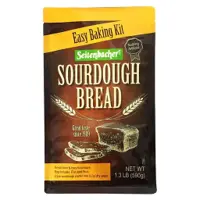
from the analysis of The Rustik Oven SOURDOUGH BREAD · echoed in 1 other analysisMay cause allergic reactions and digestive issues.
from the analysis of Great Value Peanut Butter Wafer BarsThe case for
Extend shelf life and prevent mold growth in food products.
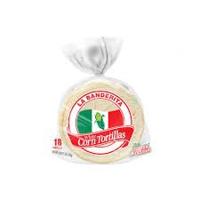
from the analysis of La Banderita Super Burrito TortillaHelps prevent spoilage and extend shelf life.
from the analysis of The Rustik Oven SOURDOUGH BREADMore from Scout's analyses
Preservatives like calcium propionate and sorbic acid are used to extend shelf life by inhibiting mold growth. While generally recognized as safe, they can cause sensitivities in some individuals. Their presence indicates a higher level of processing.
from the analysis of The Rustik Oven SOURDOUGH BREADPreservatives are used to extend shelf life and prevent spoilage. Some preservatives can cause allergic reactions or other health concerns. Natural alternatives like vinegar or citric acid are less controversial.
from the analysis of La Banderita Organic TortillasPreservatives like sodium propionate and sorbic acid are used to extend shelf life. They are synthetic additives with potential health concerns. Long-term consumption may have unknown effects.
from the analysis of Great Value Peanut Butter Wafer BarsAll 5 products with Preservatives
Where Preservatives shows up
- Tortillas & Wraps 2 products
- Bread 1 product
- Rolls & Buns 1 product
- Cookies 1 product
Higher-scoring picks without Preservatives
Products from the same categories whose analyzed ingredient list does not include Preservatives, scoring 80 or above.
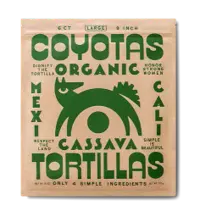
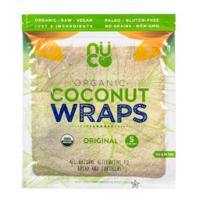
Scan any product to see every ingredient explained — and healthier swaps.