

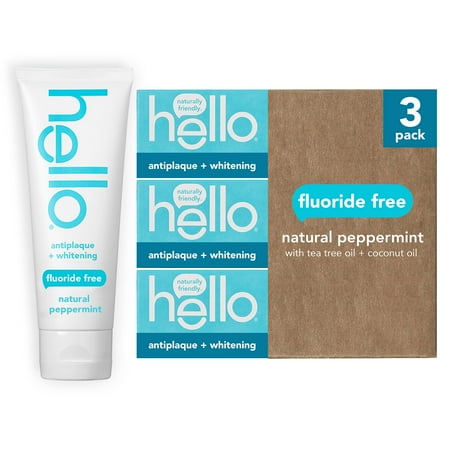
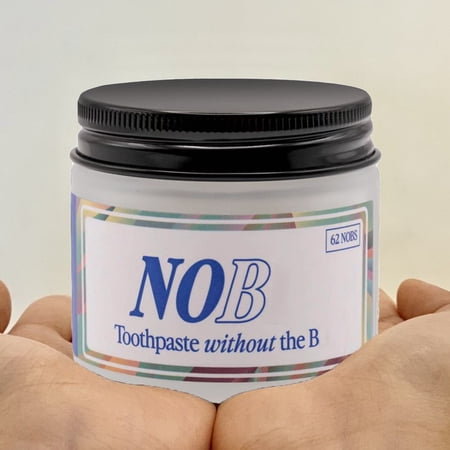

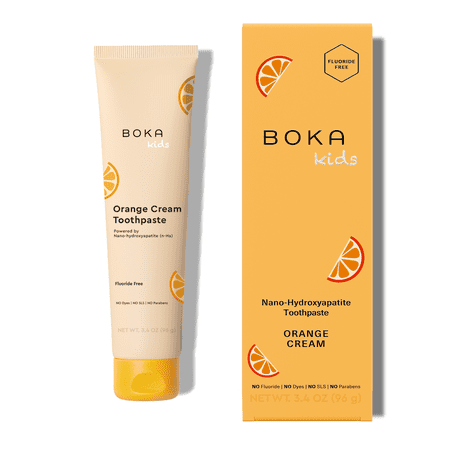
Kingfisher Toothpaste - Aloe Vera Tea Tree Fennel (fluoride Free) - 100ml
Analysis updated June 2026 · How Scout scores
At a glance
Summary
This toothpaste contains beneficial ingredients like calcium carbonate and hydrated silica, which are effective and safe abrasives for cleaning teeth. The inclusion of natural extracts such as tea tree oil and aloe provides antimicrobial and soothing benefits. However, the presence of sodium lauryl sulfate, a synthetic surfactant, is a concern due to its potential to irritate sensitive oral tissues, which affects the overall ingredient quality and processing level.
Key ingredients 9
Melaleuca alternifoliaVery Good
Melaleuca alternifolia, commonly known as tea tree oil, is known for its antimicrobial properties. It is extracted from the leaves of the tea tree and is used for its natural ability to reduce oral bacteria. Its inclusion in toothpaste can help maintain oral hygiene and freshen breath.
Benefits
It provides natural antibacterial benefits, supporting gum health and reducing plaque.
AloeVery Good
Aloe is known for its soothing and healing properties, making it beneficial for oral care. It is extracted from the aloe vera plant and is used to soothe gums and reduce inflammation. Its natural composition supports oral health without harsh chemicals.
Benefits
It helps soothe irritated gums and supports overall oral health.
GlycerinGood
Beneficial ingredient — whole-food or functional value in this product class.
Benefits
It helps prevent the toothpaste from drying out, ensuring a smooth application.
Foeniculum vulgareGood
Foeniculum vulgare, or fennel, is used for its flavoring properties and potential antimicrobial effects. It is derived from the fennel plant and is considered safe for oral care. Its pleasant taste can enhance the user experience while offering mild antibacterial benefits.
Benefits
It contributes to a pleasant taste and may support oral health through its antimicrobial properties.
Calcium carbonateNeutral
Standard formulation ingredient — neither beneficial nor harmful at typical use.
Benefits
It helps in removing plaque and surface stains, contributing to whiter teeth.
AquaNeutral
Aqua, or water, is used as a solvent in toothpaste formulations. The quality and purity of water are crucial to prevent contamination. In this context, it serves as a base for mixing other ingredients.
Benefits
It acts as a carrier for other ingredients, facilitating their application and effectiveness.
Hydrated silicaNeutral
Standard formulation ingredient — neither beneficial nor harmful at typical use.
Benefits
It effectively cleans teeth and enhances the overall appearance of the smile.
Cellulose gumNeutral
Cellulose gum is a thickening agent that helps maintain the consistency of toothpaste. It is derived from plant fibers and is generally recognized as safe. Its role is primarily functional, contributing to the product's texture.
Benefits
It helps stabilize the toothpaste, ensuring even distribution of active ingredients.
Sodium lauryl sulfateVery Bad
Sodium lauryl sulfate is a surfactant used to create foam in toothpaste. It is synthetically produced and can be harsh on sensitive oral tissues. Its inclusion is primarily for aesthetic purposes, as it does not enhance cleaning efficacy.
Risks
It may cause irritation or allergic reactions in some individuals, particularly those with sensitive gums.
Processing
Processed Foods
Get the full breakdown in the Scout appTake Scout shopping
Scan any product to see lab results, healthy alternatives, and your personalized analysis.
Download on theApp Store GET IT ONGoogle PlayAmazon pricing & content
Amazon price as of . Product prices and availability are accurate as of the date/time indicated and are subject to change. Any price and availability information displayed on Amazon.com at the time of purchase will apply to the purchase of this product.
CERTAIN CONTENT THAT APPEARS ON THIS SITE COMES FROM AMAZON. THIS CONTENT IS PROVIDED “AS IS” AND IS SUBJECT TO CHANGE OR REMOVAL AT ANY TIME.