
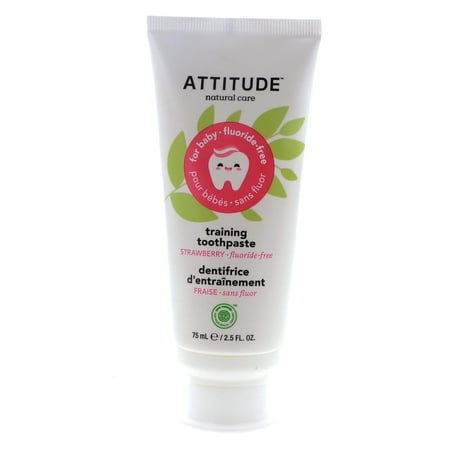
Attitude Baby Leaves Fluoride Free Training Toothpaste Strawberry 2.6 oz
Analysis updated September 2026 · How Scout scores
At a glance
Summary
This toothpaste features beneficial ingredients such as xylitol, which helps reduce cavity-causing bacteria, and sodium bicarbonate, a gentle abrasive that aids in cleaning teeth. The absence of fluoride and other harmful chemicals commonly found in oral care products contributes to its high rating. The inclusion of natural extracts like green tea leaf further enhances its oral health benefits.
Key ingredients 14
XylitolVery Good
Xylitol is a sugar alcohol that is beneficial for oral health as it helps reduce the risk of cavities. It is derived from natural sources like birch trees and corn cobs. Xylitol also promotes saliva production, which can aid in remineralizing tooth enamel.
Risks
Excessive consumption may cause digestive discomfort, but this is unlikely in toothpaste use.
Benefits
Xylitol is known to reduce cavity-causing bacteria and improve oral health.
Papaya Leaf ExtractGood
Papaya leaf extract is included for its potential anti-inflammatory and antimicrobial properties. It is derived from the leaves of the papaya plant, which are processed to extract beneficial compounds. This ingredient may help in maintaining oral hygiene by reducing bacterial growth.
Benefits
It may provide antimicrobial benefits that support oral health.
Green Tea Leaf ExtractGood
Green tea leaf extract is known for its antioxidant properties, which can benefit oral health. It is extracted from the leaves of the Camellia sinensis plant, often using water or alcohol as solvents. The catechins in green tea may help reduce inflammation and bacterial growth in the mouth.
Benefits
Rich in antioxidants, it may help reduce oral bacteria and inflammation.
GlycerinGood
Beneficial ingredient — whole-food or functional value in this product class.
See more about Glycerin →TocopherolGood
Tocopherol, or vitamin E, is an antioxidant that helps protect the product from oxidation. It is derived from natural sources like vegetable oils and is beneficial for maintaining product quality. While primarily used for preservation, it may offer some protective benefits to oral tissues.
Benefits
Acts as an antioxidant, potentially offering protective benefits to oral tissues.
WaterNeutral
Water is a neutral ingredient primarily used as a solvent in toothpaste formulations. It is essential for dissolving other ingredients and ensuring the paste's consistency. The quality of water is crucial, but no specific source or purity details are provided here.
See more about Water →Sodium Cocoyl IsethionateNeutral
Sodium cocoyl isethionate is a mild surfactant used to create foam and aid in cleaning. It is derived from coconut oil and is considered gentle on the skin and mucous membranes. Its primary role is to improve the texture and spreadability of the toothpaste.
See more about Sodium Cocoyl Isethionate →Cocamidopropyl BetaineNeutral
Cocamidopropyl betaine is a surfactant that helps in foaming and cleansing. It is derived from coconut oil and dimethylaminopropylamine, providing mildness and conditioning properties. It enhances the texture and usability of the toothpaste.
Risks
May cause skin irritation in sensitive individuals, but this is rare in toothpaste use.
Sodium BicarbonateNeutral
Standard formulation ingredient — neither beneficial nor harmful at typical use.
Benefits
Helps neutralize acids and provides mild abrasive action for cleaning teeth.
Cellulose GumNeutral
Cellulose gum is a thickening agent used to stabilize the toothpaste and improve its texture. It is derived from cellulose, a natural polymer found in plant cell walls. While it enhances the product's consistency, it does not contribute to oral health.
See more about Cellulose Gum →Citric AcidNeutral
Citric acid is used to adjust the pH of the toothpaste, ensuring stability and effectiveness. It is naturally found in citrus fruits and is commonly used in food and personal care products. While it helps maintain product stability, it does not directly benefit oral health.
See more about Citric Acid →Natural Strawberry FlavorBad
Processed additive flagged under Scout's ingredient doctrine.
See more about Natural Strawberry Flavor →Potassium SorbateBad
Synthetic preservative — flagged in daily-use products.
See more about Potassium Sorbate →Sodium BenzoateBad
Sodium benzoate is a preservative used to inhibit microbial growth in the toothpaste. It is a salt of benzoic acid and is commonly used in food and personal care products. Concerns exist about its potential to form benzene, a carcinogen, under certain conditions.
Risks
May form benzene, a carcinogen, when combined with ascorbic acid under certain conditions.
Processing
Processed Foods
Get the full breakdown in the Scout appTake Scout shopping
Scan any product to see lab results, healthy alternatives, and your personalized analysis.
Download on theApp Store GET IT ONGoogle PlayAmazon pricing & content
Amazon price as of . Product prices and availability are accurate as of the date/time indicated and are subject to change. Any price and availability information displayed on Amazon.com at the time of purchase will apply to the purchase of this product.
CERTAIN CONTENT THAT APPEARS ON THIS SITE COMES FROM AMAZON. THIS CONTENT IS PROVIDED “AS IS” AND IS SUBJECT TO CHANGE OR REMOVAL AT ANY TIME.