


At a glance
Summary
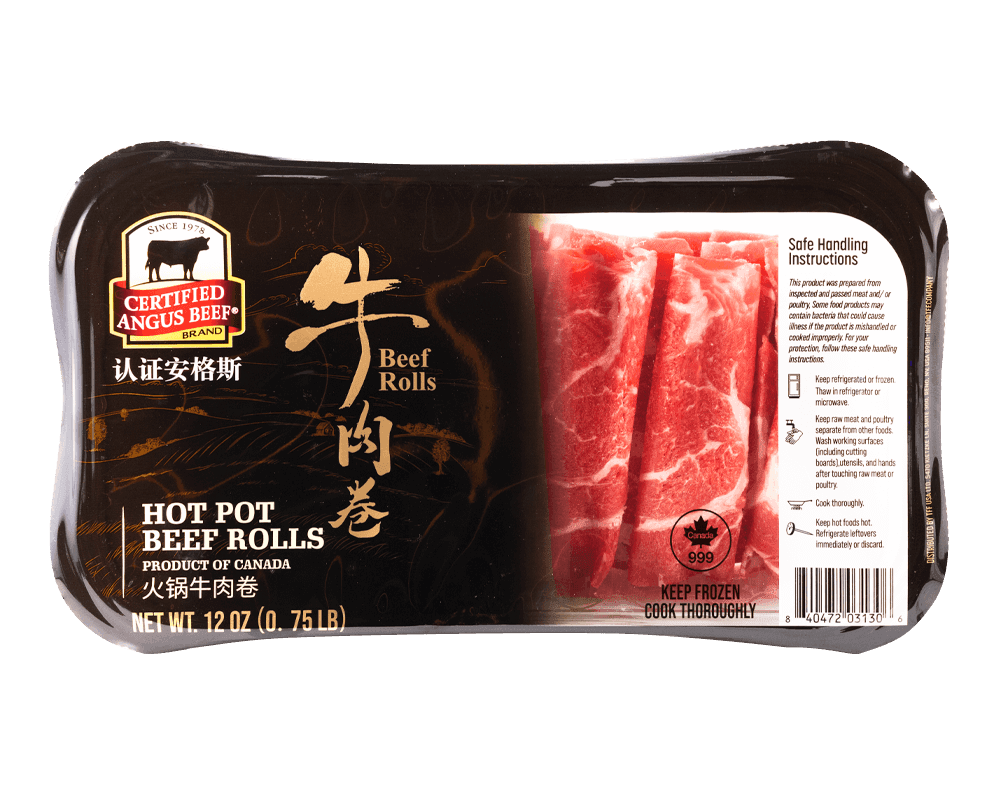
The pork sausage rolls contain a moderate level of processing and include ingredients like wheat flour and butter, which are common in processed foods. While the pork provides a good source of protein, the presence of refined flour and the overall processing level limit the healthiness of the product. The ingredient list is relatively short and lacks harmful additives, which helps maintain a fair score.
Key ingredients 11
PorkGood
Pork is a high-quality source of animal protein, providing essential amino acids. It is rich in vitamins and minerals such as B vitamins and zinc. The quality of pork can vary based on farming practices, with pasture-raised options being more beneficial.
Risks
Excessive consumption of processed pork products can increase the risk of cardiovascular diseases due to high saturated fat content.
Benefits
Provides essential nutrients and high-quality protein that supports muscle growth and repair.
NiacinGood
Beneficial ingredient — whole-food or functional value in this product class.
Risks
High doses can cause flushing and liver damage.
Benefits
Supports energy production and skin health.
Calcium CarbonateNeutral
Calcium carbonate is used as a dietary supplement and food additive to provide calcium. It is commonly used to fortify foods and improve nutritional content. It is generally considered safe when used in moderation.
Risks
Excessive intake can lead to hypercalcemia and related health issues.
Benefits
Helps in maintaining bone health by providing a source of calcium.
IronNeutral
Iron is an essential mineral important for oxygen transport in the blood. It is often added to foods to prevent deficiencies. The bioavailability of iron can vary depending on its form and the presence of other dietary components.
Risks
Excessive iron intake can lead to toxicity and health issues such as liver damage.
Benefits
Supports the production of hemoglobin and overall energy levels.
ThiaminNeutral
Thiamin, or vitamin B1, is essential for carbohydrate metabolism and nerve function. It is commonly added to fortified foods to prevent deficiencies. Thiamin is water-soluble and generally safe at recommended levels.
Benefits
Supports energy metabolism and nerve function.
ButterNeutral
Butter is a dairy product rich in saturated fats and provides a creamy texture to foods. It contains fat-soluble vitamins like A and D. The health impact of butter depends on the overall dietary context and consumption levels.
Risks
High saturated fat content may contribute to cardiovascular disease if consumed in excess.
Benefits
Provides fat-soluble vitamins and enhances flavor.
OnionNeutral
Onions are a common vegetable used for flavoring and have some antioxidant properties. They contain quercetin, which may have anti-inflammatory effects. Onions are generally considered a healthy addition to diets.
Risks
May cause digestive discomfort in some individuals.
Benefits
Provides antioxidants and enhances flavor.
Potato StarchNeutral
Potato starch is used as a thickening agent and provides a source of carbohydrates. It is gluten-free and often used in gluten-free products. It has limited nutritional benefits beyond its carbohydrate content.
Benefits
Acts as a thickening agent and provides carbohydrates.
Pasteurised Egg YolkNeutral
Egg yolk is a source of high-quality protein and essential nutrients like choline. Pasteurization ensures safety by reducing the risk of bacterial contamination. The nutritional profile includes healthy fats and vitamins.
Risks
May cause allergic reactions in individuals with egg allergies.
Benefits
Rich in nutrients like choline and provides high-quality protein.
SaltNeutral
Salt is used to enhance flavor and preserve food. It is essential for maintaining fluid balance and nerve function. Excessive consumption can lead to health issues such as hypertension.
Risks
High intake can contribute to hypertension and cardiovascular disease.
Benefits
Essential for fluid balance and nerve function.
Wheat FlourBad
Refined grain flour stripped of bran and germ.
Risks
May cause issues for individuals with gluten intolerance or celiac disease.
Benefits
Provides a source of energy through carbohydrates.
Processing
Processed Foods
Get the full breakdown in the Scout appTake Scout shopping
Scan any product to see lab results, healthy alternatives, and your personalized analysis.
Download on theApp Store GET IT ONGoogle Play