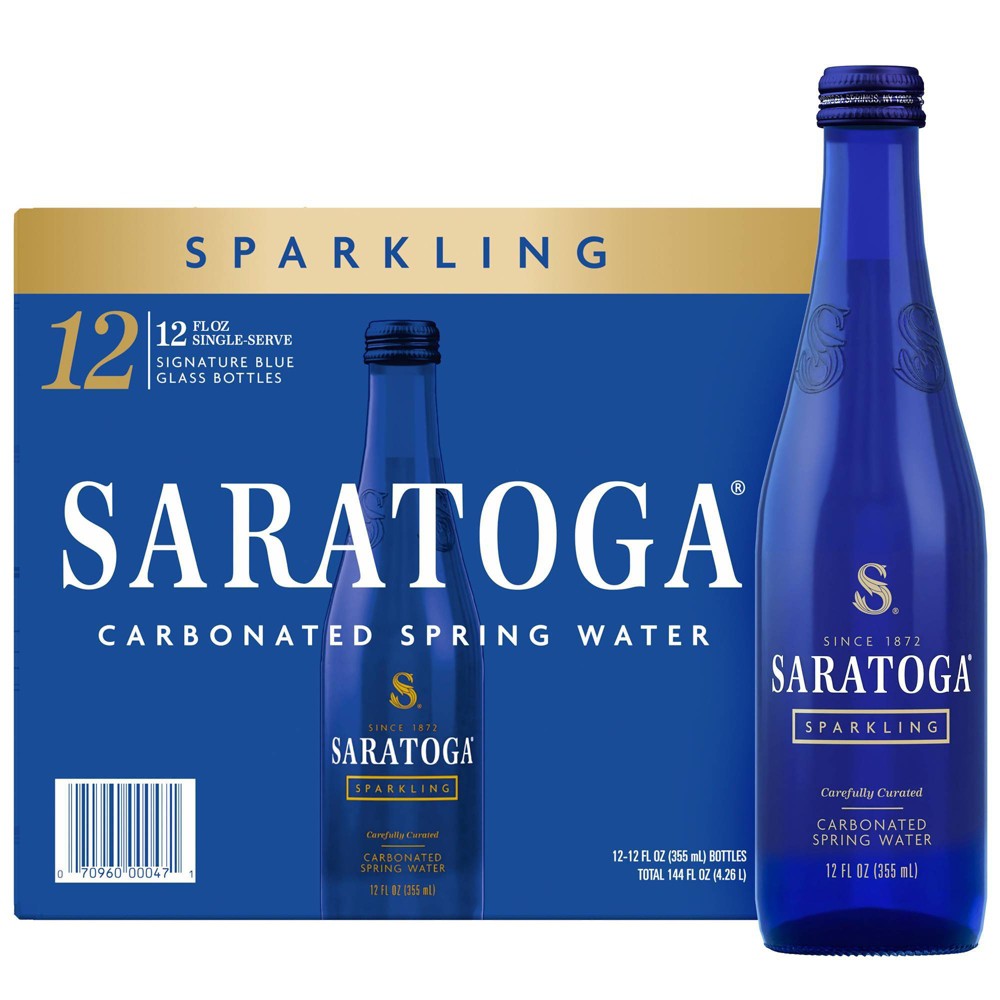
Eau minerale

At a glance
Summary
This mineral water contains beneficial minerals such as calcium, magnesium, and potassium, which contribute positively to its nutritional profile. However, the presence of nitrates, which can pose health risks if levels are high, slightly detracts from its overall quality. The water is minimally processed, maintaining its natural mineral content, but careful monitoring of nitrate levels is essential to ensure safety.
Key ingredients 5
CalciumVery Good
Calcium is essential for bone health and plays a critical role in muscle function and nerve signaling. It is naturally present in mineral water, contributing to its nutritional value without requiring additional processing. The bioavailability of calcium in water is generally high, making it a beneficial component of this product.
Benefits
Supports bone health and aids in muscle and nerve function.
MagnesiumGood
Magnesium is important for numerous biochemical reactions in the body, including energy production and muscle contraction. It is naturally occurring in mineral water, enhancing its health benefits without the need for artificial additives. The presence of magnesium can also improve the taste profile of the water.
Risks
Excessive intake may cause gastrointestinal issues, but this is unlikely from water consumption.
Benefits
Contributes to energy production and muscle function.
PotassiumGood
Potassium is crucial for maintaining proper heart and muscle function and helps regulate fluid balance. It is naturally found in mineral water, providing health benefits without additional processing. Potassium in water can aid in hydration and electrolyte balance.
Benefits
Supports heart health and fluid balance.
SodiumNeutral
Sodium is an essential electrolyte that helps regulate fluid balance and nerve function. In mineral water, sodium levels are typically low and naturally occurring, minimizing health concerns. However, excessive sodium intake from other sources can lead to health issues such as hypertension.
Risks
Excessive sodium intake can contribute to high blood pressure, but levels in mineral water are generally low.
Benefits
Aids in fluid balance and nerve function.
NitratesBad
Nitrates can be a concern in drinking water due to potential health risks, particularly for infants and pregnant women. They can enter water supplies through agricultural runoff and require careful monitoring. High levels of nitrates can lead to methemoglobinemia, or 'blue baby syndrome,' in infants.
Risks
High nitrate levels can cause methemoglobinemia in infants and may pose other health risks.
Processing
Unprocessed or Minimally Processed Foods
Get the full breakdown in the Scout appTake Scout shopping
Scan any product to see lab results, healthy alternatives, and your personalized analysis.
Amazon pricing & content
Amazon price as of . Product prices and availability are accurate as of the date/time indicated and are subject to change. Any price and availability information displayed on Amazon.com at the time of purchase will apply to the purchase of this product.
CERTAIN CONTENT THAT APPEARS ON THIS SITE COMES FROM AMAZON. THIS CONTENT IS PROVIDED “AS IS” AND IS SUBJECT TO CHANGE OR REMOVAL AT ANY TIME.