
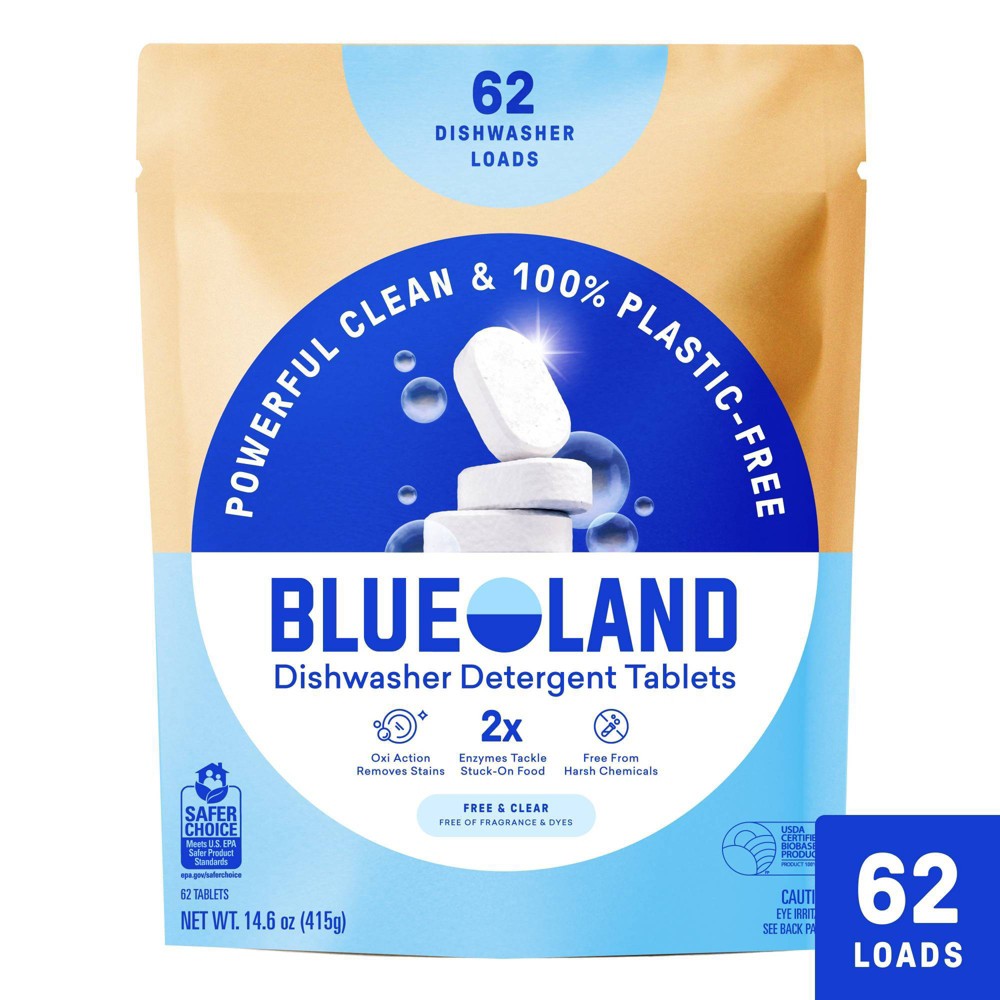

Ecover Maq All-In-One Ecover 65 Tab Dishwasher - 300 g
Summary
This dishwasher product contains a mix of ingredients that are generally safe for indoor use, such as sodium bicarbonate and enzymes, which are beneficial for cleaning. However, the presence of synthetic fragrance (limonene) and the processed nature of the product slightly reduce its environmental friendliness and safety profile. The product does not contain harsh surfactants like SLS, which helps maintain a moderate score.
At a glance
Key ingredients 12
Sodium Citrate
Sodium Citrate is a salt derived from citric acid, commonly used as a water softener in cleaning products. It helps to prevent limescale buildup and enhances the effectiveness of detergents. It is biodegradable and considered environmentally friendly.
Risks
There are minimal risks associated with Sodium Citrate, as it is generally recognized as safe and non-toxic.
Benefits
It is beneficial for its ability to soften water and improve cleaning efficiency without harmful environmental effects.
Sodium Carbonate
Sodium Carbonate, also known as washing soda, is used to increase the alkalinity of the cleaning solution. This enhances the detergent's ability to remove stains and grease. It is a naturally occurring substance and is biodegradable.
Risks
In high concentrations, it can cause skin and eye irritation.
Benefits
It is effective in boosting cleaning power and is environmentally benign.
Sodium Carbonate Peroxide
Sodium Carbonate Peroxide is a bleaching agent that releases oxygen to help remove stains and whiten surfaces. It is often used as an alternative to chlorine bleach. It breaks down into water, oxygen, and soda ash, making it environmentally friendly.
Risks
It can cause irritation to the skin and eyes upon contact.
Benefits
It provides effective stain removal and whitening without the harmful effects of chlorine bleach.
Disodium Disilicate
Disodium Disilicate is used as a builder in detergents to enhance cleaning efficiency by softening water. It helps to prevent mineral deposits on dishes and glassware. It is considered safe and biodegradable.
Risks
Exposure can cause irritation to the skin and eyes.
Benefits
It improves cleaning performance and is environmentally safe.
Sodium Bicarbonate
Sodium Bicarbonate, commonly known as baking soda, is used for its mild abrasive properties and ability to neutralize odors. It is a natural and biodegradable ingredient. It is safe for use in cleaning products.
Risks
There are minimal risks associated with Sodium Bicarbonate, as it is non-toxic and safe for most uses.
Benefits
It is effective in cleaning and deodorizing, making it a versatile and safe ingredient.
Sodium Polyaspartate
Sodium Polyaspartate is used as a water softener and anti-scaling agent in detergents. It helps to prevent mineral deposits and improve cleaning efficiency. It is biodegradable and considered environmentally friendly.
Risks
There are minimal risks associated with Sodium Polyaspartate, as it is non-toxic and safe for use.
Benefits
It enhances cleaning performance and is environmentally safe.
TAED
TAED (Tetraacetylethylenediamine) is used as an activator for bleaching agents in detergents. It enhances the effectiveness of oxygen-based bleaches at lower temperatures. It is considered safe and biodegradable.
Risks
There are minimal risks associated with TAED, as it is non-toxic and safe for use.
Benefits
It improves the efficiency of bleaching agents, reducing the need for high temperatures.
Sorbitol
Sorbitol is used as a humectant and stabilizer in cleaning products. It helps to maintain moisture and improve the texture of the product. It is derived from natural sources and is biodegradable.
Risks
There are minimal risks associated with Sorbitol, as it is generally recognized as safe.
Benefits
It helps to stabilize and maintain the quality of the product.
Oxygen-Based Bleaching Agent
Oxygen-Based Bleaching Agents are used to remove stains and whiten surfaces without the use of chlorine. They release oxygen to break down stains and are considered environmentally friendly. They are biodegradable and safe for use.
Risks
They can cause irritation to the skin and eyes upon contact.
Benefits
They provide effective stain removal and whitening without harmful environmental effects.
Non-Ionic Surfactant
Non-Ionic Surfactants are used to reduce surface tension and improve the wetting and spreading of cleaning solutions. They are less likely to cause irritation compared to ionic surfactants. They are biodegradable and considered safe for use.
Risks
There are minimal risks associated with Non-Ionic Surfactants, as they are generally safe and non-irritating.
Benefits
They enhance the cleaning power of detergents while being gentle on surfaces.
Enzymes
Enzymes are used in detergents to break down proteins, starches, and fats, enhancing cleaning efficiency. They are derived from natural sources and are biodegradable. They are considered safe and effective in cleaning applications.
Risks
Inhalation of enzyme dust can cause respiratory irritation.
Benefits
They improve cleaning performance by breaking down complex stains naturally.
Perfume (Limonene)
Limonene is a naturally occurring compound used for its citrus scent in cleaning products. It is derived from the peels of citrus fruits and is biodegradable. It is used to provide a pleasant fragrance to the product.
Risks
Limonene can cause skin irritation and allergic reactions in sensitive individuals.
Benefits
It provides a natural citrus fragrance, enhancing the sensory experience of the product.
Processing
Processed Foods
Get the full breakdown in the Scout app
Scan any product to see lab results, healthy alternatives, and your personalized analysis.
Download on theApp Store