


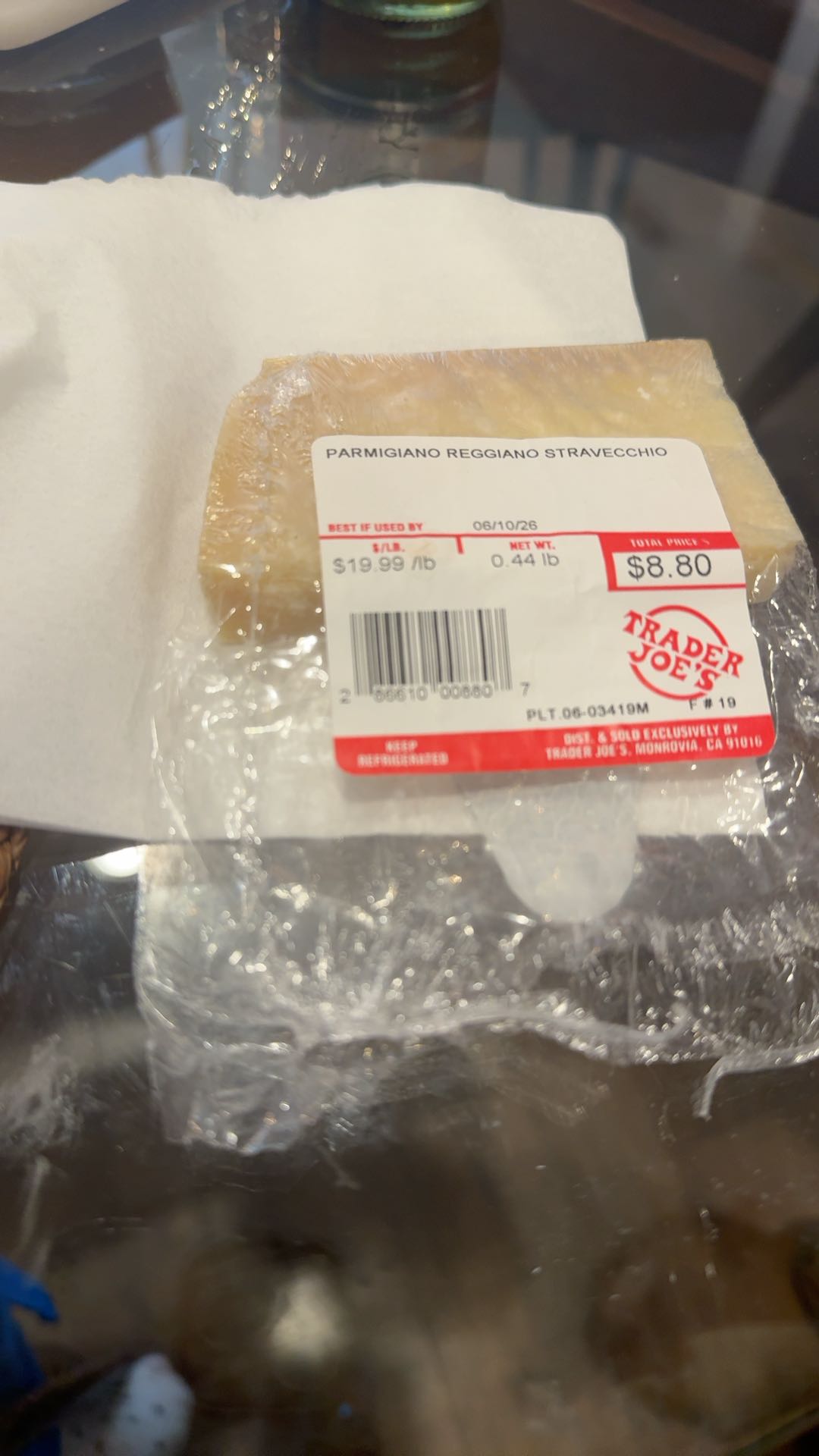
At a glance
Summary
This cheese spread contains beneficial ingredients like pasteurized cow's milk and cream, which provide essential nutrients such as calcium and healthy fats. However, the presence of guar gum and sorbic acid indicates a higher level of processing and the inclusion of additives, which detracts from its overall healthiness. While it offers some nutritional benefits, the processing level and additives limit its score.
Key ingredients 8
Cow's milkGood
Cow's milk is a primary source of calcium and protein, essential for bone health and muscle maintenance. It is minimally processed when pasteurized, retaining most of its nutritional benefits. Pasteurization ensures safety by eliminating harmful bacteria.
Risks
Potential allergen for individuals with lactose intolerance or milk allergies.
Benefits
Rich in calcium and protein, supporting bone health and muscle function.
CreamGood
Cream adds richness and a smooth texture, providing a source of healthy fats. It is minimally processed, typically pasteurized to ensure safety. The fats in cream can support the absorption of fat-soluble vitamins.
Risks
High in saturated fats, which should be consumed in moderation to maintain heart health.
Benefits
Provides a rich source of fats that can enhance the absorption of fat-soluble vitamins.
Lactic solidsNeutral
Lactic solids are derived from milk and contribute to the texture and flavor of dairy products. They are a natural component of milk, typically not associated with significant processing. They provide some nutritional value but are not a primary source of nutrients.
Benefits
Contributes to the texture and flavor of dairy products.
SaltNeutral
Salt is used to enhance flavor and preserve food. It is a common culinary ingredient with minimal processing. While necessary for bodily functions, excessive intake can lead to health issues like hypertension.
Risks
Excessive consumption can contribute to high blood pressure and cardiovascular issues.
Benefits
Essential for maintaining fluid balance and nerve function.
Calcium chlorideNeutral
Calcium chloride is used in cheese making to improve curd formation. It is a food-grade additive that is generally recognized as safe. It does not significantly alter the nutritional profile of the product.
Benefits
Improves curd formation in cheese making, enhancing texture.
Guar gumNeutral
Standard formulation ingredient — neither beneficial nor harmful at typical use.
Risks
May cause digestive discomfort such as bloating and gas in some individuals.
Benefits
Helps stabilize and thicken products, improving texture.
LactaseNeutral
Lactase is an enzyme added to break down lactose, making the product more digestible for lactose-intolerant individuals. It is a beneficial addition for those with lactose intolerance. It does not alter the nutritional content of the product.
Benefits
Aids in the digestion of lactose, beneficial for lactose-intolerant individuals.
Sorbic acidBad
Sorbic acid is a preservative used to prevent mold and yeast growth. It is synthetically produced and can be a concern for those seeking natural products. While generally recognized as safe, its presence indicates a processed product.
Risks
Potential allergen and may cause irritation in sensitive individuals.
Benefits
Extends shelf life by preventing mold and yeast growth.
Processing
Processed Foods
Get the full breakdown in the Scout appTake Scout shopping
Scan any product to see lab results, healthy alternatives, and your personalized analysis.
Download on theApp Store GET IT ONGoogle Play