


At a glance
Summary
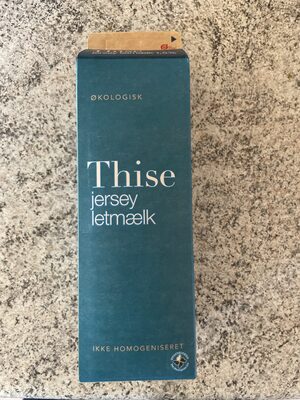
This product is made from organic jersey milk, which is a high-quality source of protein and essential nutrients. It is minimally processed, being pasteurized but not homogenized, which helps retain its natural qualities. The use of organic milk ensures it is free from synthetic pesticides and fertilizers, enhancing its nutritional profile.
Key ingredients 3
Organic jersey milkGood
Organic jersey milk is a high-quality source of protein and essential nutrients. Being organic, it is free from synthetic pesticides and fertilizers, enhancing its nutritional profile. The milk is from Jersey cows, known for richer milk with higher butterfat content.
Benefits
Provides essential nutrients such as calcium, vitamin D, and high-quality protein. The organic certification ensures it is free from harmful chemicals, supporting overall health.
PasteurizedNeutral
Pasteurization is a process that kills harmful bacteria by heating milk to a specific temperature. This process ensures safety and extends shelf life without significantly affecting nutritional value. It is a standard practice in milk processing to prevent foodborne illnesses.
Benefits
Ensures milk safety by eliminating harmful bacteria and pathogens, making it safe for consumption.
Non-homogenizedNeutral
Non-homogenized milk allows the cream to rise to the top, preserving the natural structure of milk fat. This process is less industrial and maintains the milk's traditional characteristics. It may be preferred by those seeking a more natural milk product.
Benefits
Maintains the natural cream structure, which some consumers prefer for taste and texture. It may also be easier to digest for some individuals.
Processing
Unprocessed or Minimally Processed Foods
Get the full breakdown in the Scout appTake Scout shopping
Scan any product to see lab results, healthy alternatives, and your personalized analysis.
Download on theApp Store GET IT ONGoogle Play