
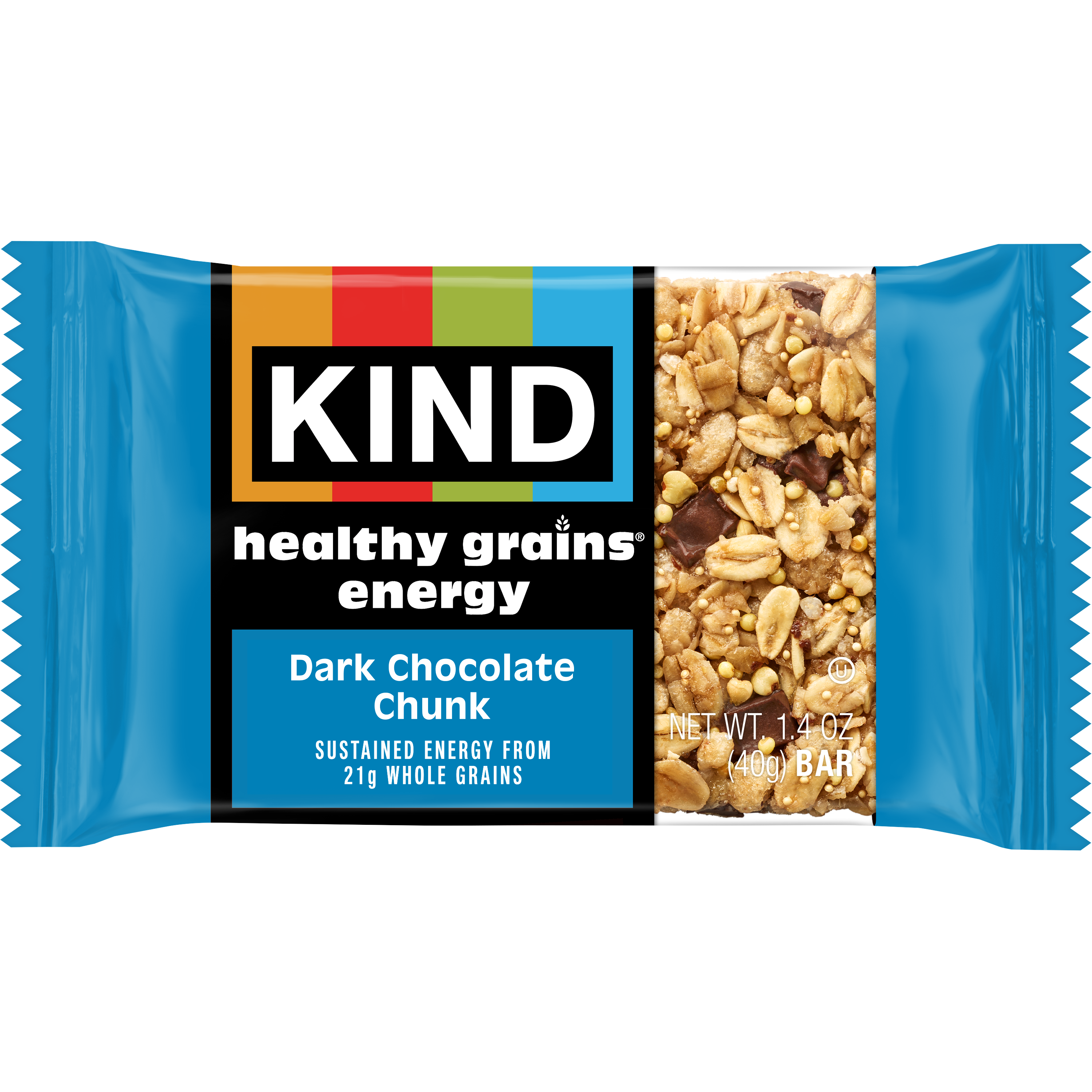


Kind
Summary
This product contains beneficial ingredients like almonds and inulin, which contribute to its nutritional value. However, it is heavily processed and includes less desirable components such as glucose syrup, palm kernel oil, and added sugars, which are linked to health concerns like blood sugar spikes and environmental issues. The presence of multiple additives and the high level of processing significantly impact its overall healthiness.
At a glance
Key ingredients 13
AlmondsGood
Almonds are a nutrient-dense nut rich in healthy fats, protein, and fiber. They provide essential vitamins and minerals such as vitamin E and magnesium. Their consumption is associated with improved heart health and reduced inflammation.
Risks
Almonds can be allergenic to some individuals, potentially causing severe allergic reactions.
Benefits
Rich in monounsaturated fats and antioxidants, almonds support heart health and may help reduce cholesterol levels.
InulinGood
Inulin is a type of soluble fiber that acts as a prebiotic, promoting gut health. It is derived from chicory root and helps improve digestion and nutrient absorption. Inulin can also aid in blood sugar control and weight management.
Risks
Excessive consumption may cause digestive discomfort, such as bloating or gas, in sensitive individuals.
Benefits
Supports healthy gut flora and improves digestive health by acting as a prebiotic fiber.
HoneyNeutral
Honey is a natural sweetener with some antioxidant properties. It is less processed than refined sugars and contains trace amounts of vitamins and minerals. However, it is still a source of sugar and should be consumed in moderation.
Risks
High sugar content can contribute to weight gain and blood sugar spikes if consumed in excess.
Benefits
Contains antioxidants and has antibacterial properties, offering some health benefits over refined sugars.
Glucose SyrupBad
Glucose syrup is a highly processed sweetener made from corn starch. It is used to add sweetness and improve texture in processed foods. Its high glycemic index can lead to rapid spikes in blood sugar levels.
Risks
May contribute to obesity, insulin resistance, and other metabolic disorders when consumed in large amounts.
Palm Kernel OilBad
Palm kernel oil is a type of tropical oil high in saturated fats. It is often used in processed foods for its stability and texture-enhancing properties. The production of palm oil is associated with environmental concerns such as deforestation.
Risks
High saturated fat content may increase the risk of heart disease if consumed in excess.
Benefits
Provides a stable fat source for cooking and food processing.
SugarBad
Sugar is a refined sweetener that provides empty calories without essential nutrients. Excessive consumption is linked to various health issues, including obesity and dental cavities. It is often added to enhance flavor in processed foods.
Risks
Contributes to weight gain, insulin resistance, and increased risk of chronic diseases when consumed in excess.
Crisped RiceNeutral
Crisped rice is made from rice that has been puffed and toasted. It is used to add texture and crunch to food products. While it provides some carbohydrates, it is low in fiber and other nutrients.
Benefits
Adds texture and crunch to food products, but offers minimal nutritional benefits.
Milk PowderNeutral
Milk powder is a dehydrated form of milk that retains most of the nutrients found in fresh milk. It is used to add creaminess and nutritional value to food products. However, it may contain added sugars or preservatives.
Risks
May contain lactose, which can cause digestive issues for lactose-intolerant individuals.
Benefits
Provides protein, calcium, and other nutrients found in milk, contributing to bone health.
Sea SaltGood
Unrefined sea salt — a minimally processed, natural source of sodium and essential trace minerals, and a legitimate whole-food seasoning. Treated as a positive ingredient.
Risks
Excessive sodium intake can lead to high blood pressure and increased risk of cardiovascular diseases.
Benefits
Contains trace minerals and enhances flavor in foods.
Carob PowderNeutral
Carob powder is made from the dried and roasted pods of the carob tree. It is used as a chocolate substitute and is naturally sweet. Carob is caffeine-free and contains some fiber and antioxidants.
Benefits
Provides a caffeine-free alternative to cocoa with some fiber and antioxidants.
Soy LecithinNeutral
Soy lecithin is an emulsifier derived from soybeans, used to improve texture and shelf life in processed foods. It is generally recognized as safe and contains phospholipids that may support brain health. However, it is highly processed and may contain traces of soy allergens.
Risks
May contain soy allergens, which can cause reactions in sensitive individuals.
Benefits
Contains phospholipids that may support cognitive function and improve texture in food products.
Natural FlavorBad
Natural flavor is a broad term for flavoring agents derived from natural sources. It is used to enhance taste but lacks transparency about its specific components. The term can mask the presence of additives or allergens.
Risks
Lack of transparency can lead to potential allergen exposure or consumption of unwanted additives.
AnnattoNeutral
Annatto is a natural food coloring derived from the seeds of the achiote tree. It is used to impart a yellow or orange color to foods. Annatto is generally considered safe and may contain antioxidants.
Risks
Rarely, it may cause allergic reactions in sensitive individuals.
Benefits
Provides natural coloring and contains antioxidants that may offer health benefits.
Processing
Ultra-Processed Foods
Get the full breakdown in the Scout app
Scan any product to see lab results, healthy alternatives, and your personalized analysis.
Download on theApp Store