
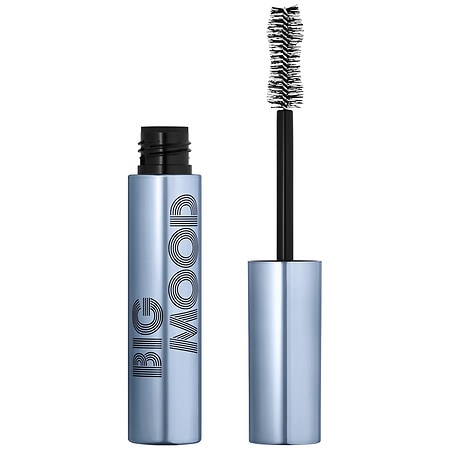
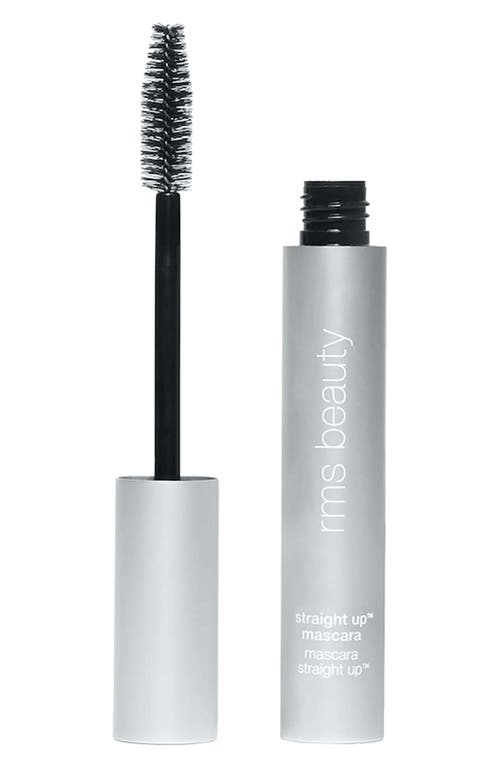
e.l.f. Big Mood Mega Volume & Lifting Waterproof Mascara: Vegan Lengthening & Volumizing for Eyelashes 0.36 fl oz
Analysis updated August 2026 · How Scout scores
At a glance
Summary
This mascara contains a mix of synthetic ingredients, including isododecane and paraffin, which are common in cosmetics but not considered natural. While it avoids harsh chemicals like parabens and formaldehyde releasers, it does include phenoxyethanol, a preservative that can be irritating for some. The product is processed, which limits its score, but it does not contain any major harmful ingredients, making it relatively safe for use.
Key ingredients 19
MICAGood
Beneficial ingredient — whole-food or functional value in this product class.
Risks
There are minimal risks, though inhalation of mica particles can be harmful.
Benefits
It provides a shimmering effect and enhances the aesthetic appeal of the product.
ISODODECANENeutral
Isododecane is a hydrocarbon commonly used in cosmetics for its lightweight and non-greasy feel. It helps in the even application of products and enhances spreadability. It is generally considered safe for use in cosmetics.
Risks
There are minimal risks associated with isododecane, primarily related to potential skin irritation in sensitive individuals.
Benefits
It provides a smooth application and helps in the longevity of the product on the skin.
HYDROGENATED POLYCYCLOPENTADIENENeutral
Hydrogenated polycyclopentadiene is used as a film-forming agent in cosmetics, providing a glossy finish. It enhances the durability and water resistance of the product. It is generally considered safe for use in cosmetics.
Risks
There are minimal risks, though it may cause mild irritation if it comes into contact with sensitive skin.
Benefits
It improves the product's adherence and longevity, especially in waterproof formulations.
DISTEARDIMONIUM HECTORITENeutral
Disteardimonium hectorite is a thickening agent used to stabilize emulsions in cosmetics. It helps in maintaining the consistency and texture of the product. It is generally considered safe for use in cosmetics.
Risks
There are minimal risks, primarily related to potential skin irritation in sensitive individuals.
Benefits
It enhances the texture and stability of the product, ensuring a smooth application.
C10-18 TRIGLYCERIDESNeutral
C10-18 triglycerides are used as emollients and thickeners in cosmetics. They help in improving the texture and feel of the product. They are generally considered safe for use in cosmetics.
Risks
There are minimal risks, primarily related to potential skin irritation in sensitive individuals.
Benefits
They provide a smooth, silky feel and enhance the moisturizing properties of the product.
SILICA SILYLATENeutral
Silica silylate is used as a thickening agent and to provide a matte finish in cosmetics. It helps in oil absorption and improves the texture of the product. It is generally considered safe for use in cosmetics.
Risks
There are minimal risks, though inhalation of silica particles can be harmful.
Benefits
It provides a matte finish and helps in controlling shine.
DEXTRIN PALMITATENeutral
Dextrin palmitate is used as an emulsifier and thickening agent in cosmetics. It helps in stabilizing formulations and improving texture. It is generally considered safe for use in cosmetics.
Risks
There are minimal risks, primarily related to potential skin irritation in sensitive individuals.
Benefits
It enhances the stability and texture of the product.
CERA MICROCRISTALLINANeutral
Cera microcristallina, or microcrystalline wax, is used as a thickening agent and emollient in cosmetics. It helps in providing structure and stability to the product. It is generally considered safe for use in cosmetics.
Risks
There are minimal risks, though it may cause pore blockage in some individuals.
Benefits
It provides a smooth texture and enhances the product's stability.
VP/EICOSENE COPOLYMERNeutral
VP/eicosene copolymer is used as a film-forming agent in cosmetics, providing water resistance and durability. It helps in enhancing the longevity of the product. It is generally considered safe for use in cosmetics.
Risks
There are minimal risks, primarily related to potential skin irritation in sensitive individuals.
Benefits
It improves the product's adherence and water resistance.
HDI/TRIMETHYLOL HEXYLLACTONE CROSSPOLYMERNeutral
HDI/trimethylol hexyllactone crosspolymer is used as a film-forming agent and texture enhancer in cosmetics. It provides a smooth, velvety feel and enhances the product's durability. It is generally considered safe for use in cosmetics.
Risks
There are minimal risks, primarily related to potential skin irritation in sensitive individuals.
Benefits
It enhances the texture and longevity of the product.
AQUANeutral
Aqua, or water, is used as a solvent in cosmetics, helping to dissolve other ingredients and provide a base for formulations. It is essential for the consistency and application of many products. It is universally considered safe.
Risks
There are no significant risks associated with water in cosmetics.
Benefits
It acts as a solvent and helps in the application and spreadability of the product.
PROPYLENE CARBONATENeutral
Propylene carbonate is used as a solvent and viscosity controller in cosmetics. It helps in dissolving other ingredients and maintaining the desired consistency. It is generally considered safe for use in cosmetics.
Risks
There are minimal risks, primarily related to potential skin irritation in sensitive individuals.
Benefits
It enhances the texture and consistency of the product.
BIS-DIGLYCERYL POLYACYLADIPATE-2Neutral
Bis-diglyceryl polyacyladipate-2 is used as an emollient and thickening agent in cosmetics. It provides a smooth, creamy texture and enhances the moisturizing properties of the product. It is generally considered safe for use in cosmetics.
Risks
There are minimal risks, primarily related to potential skin irritation in sensitive individuals.
Benefits
It provides a smooth texture and enhances the moisturizing effect of the product.
POLYGLYCERYL-3 DIISOSTEARATENeutral
Polyglyceryl-3 diisostearate is used as an emulsifier and surfactant in cosmetics. It helps in stabilizing formulations and improving texture. It is generally considered safe for use in cosmetics.
Risks
There are minimal risks, primarily related to potential skin irritation in sensitive individuals.
Benefits
It enhances the stability and texture of the product.
CAPRYLYL GLYCOLNeutral
Caprylyl glycol is used as a skin conditioning agent and preservative booster in cosmetics. It helps in moisturizing the skin and enhancing the efficacy of preservatives. It is generally considered safe for use in cosmetics.
Risks
There are minimal risks, primarily related to potential skin irritation in sensitive individuals.
Benefits
It provides moisturizing benefits and enhances the preservation of the product.
PALMITIC ACIDNeutral
Palmitic acid is used as an emollient and surfactant in cosmetics. It helps in providing a smooth texture and enhancing the moisturizing properties of the product. It is generally considered safe for use in cosmetics.
Risks
There are minimal risks, primarily related to potential skin irritation in sensitive individuals.
Benefits
It provides a smooth texture and enhances the moisturizing effect of the product.
SILICANeutral
Silica is used as an absorbent and anti-caking agent in cosmetics. It helps in controlling shine and improving the texture of the product. It is generally considered safe for use in cosmetics.
Risks
There are minimal risks, though inhalation of silica particles can be harmful.
Benefits
It provides a matte finish and helps in controlling oil and shine.
PARAFFINBad
Processed additive flagged under Scout's ingredient doctrine.
Risks
There are minimal risks, though it may cause pore blockage in some individuals.
Benefits
It provides a moisturizing effect and helps in retaining skin moisture.
PHENOXYETHANOLBad
Processed additive flagged under Scout's ingredient doctrine.
Risks
There are minimal risks, though it may cause irritation in sensitive individuals.
Benefits
It acts as a preservative, ensuring the product remains safe and effective over time.
Processing
Processed Foods
Get the full breakdown in the Scout appTake Scout shopping
Scan any product to see lab results, healthy alternatives, and your personalized analysis.
Download on theApp Store GET IT ONGoogle Play